
Navigating Transformation: The 1729 Batavia Expedition, Maritime Ethos, and the Question of a “Dawn of Civilization” on Rote Island
 10.21463/jmic.2025.14.3.01
Abstract
This article offers an analysis of the “Batavia 1729 Expedition,” a pivotal event that served as a watershed moment in the history of Rote Island, East Nusa Tenggara, Indonesia. Remembered in the local tongue as “Sangga Ndolu,” this voyage—helmed by Foeh Mbura, the ruler of Nusak Thiie—marked the inaugural engagement between the Rotenese people and the Dutch East India Company (VOC) in Batavia.
The study seeks to unravel the complex web of motivations behind this undertaking. Rotenese oral traditions suggest that the expedition was fundamentally a quest for peace, knowledge, and spiritual fulfillment, emerging as a response to a period characterized by social stagnation and deep-seated unrest. Furthermore, the inquiry traces the expedition's critical role as a catalyst for Christianization and the introduction of formal Western education on the island, while simultaneously offering a critical re-examination of the colonial narrative regarding the “Dawn of Civilization.”
Of particular interest is the nexus between this mission and Rote’s maritime heritage, specifically highlighting the historical interplay with Makassarese seafarers involved in the regional trepang trade. By synthesizing historical analyses of secondary sources—grounded in primary VOC archives and documented oral histories—and applying a critical lens to colonial accounts, this research illuminates the distinct nature of socio-cultural transformation in Rote.
Key findings underscore a dynamic interplay between local agency—embodied in Foeh Mbura’s initiative—and external forces, namely Dutch colonial power and regional Makassarese maritime networks. It reveals how local traditions demonstrated resilience and adapted to navigate these shifts. Ultimately, this study contributes to a richer, more nuanced understanding of regional maritime history, cross-cultural encounters, and the dynamics of socio-religious change in Eastern Indonesia during the 18th century.
Keywords
Batavia Expedition 1729, Sangga Ndolu, Christianization, Social-Cultural Transformation, Maritime History
Introduction
The 1729 was a pivotal year in the history of the eastern part of the Indonesian Archipelago. From Rote—a small island at the extreme southern end of the archipelago—a local delegation had departed on an epic journey to Batavia, the administrative center and seat of power of the Vereenigde Oostindische Compagnie (VOC) in Asia (UNESCO, 2025). Under King Foeh Mbura of Nusak Thiie, the Rotenese began a period of interactive contact with the Dutch colonial power in Batavia (Henuk, 2015).
This is preserved in the Rotenese memories and orality as the “Sangga Ndolu Expedition.” It marks a turning point in the history of the island, for it created a crucial link, a bridge between the periphery and center of power.
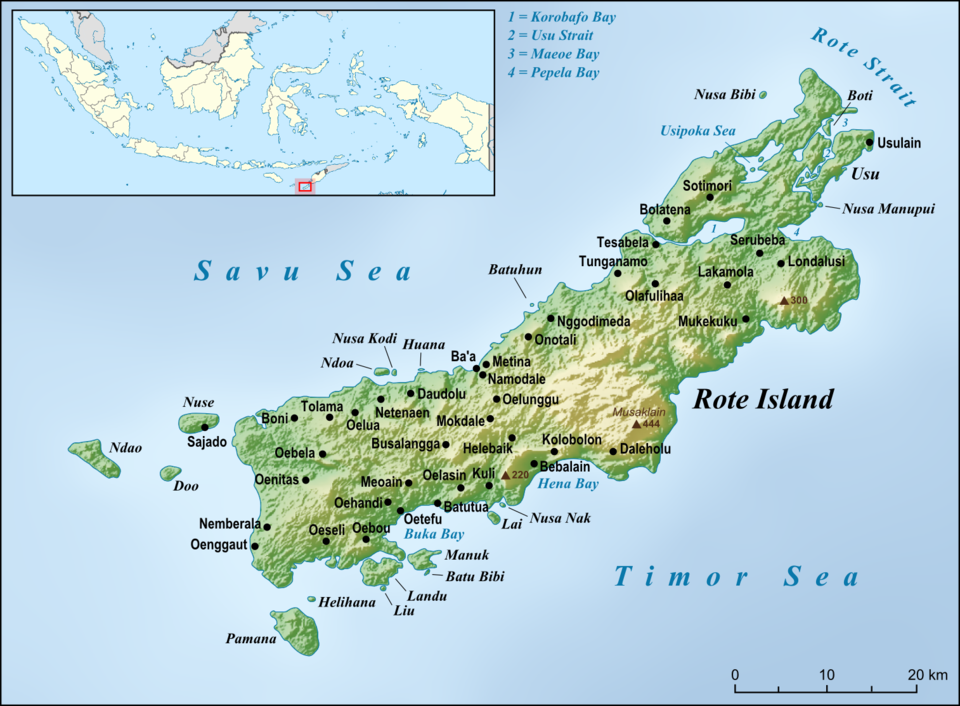
Geographically positioned southeast of Timor Island in the East Nusa Tenggara Province of Indonesia, Rote Island possessed a distinct socio-political fabric by the dawn of the 18th century (Fox, 2016). This landscape was defined by fragmentation, consisting of autonomous political units known as “Nusak”—such as Nusak Thie, Nusak Termanu, and Nusak Lole—each governed by its own leadership and social hierarchy (Henuk, 2015).
The livelihood of its inhabitants was remarkably unique, blending diverse practices such as rain-fed shifting cultivation, livestock rearing, and the harvesting of marine resources. Above all, the population’s ability to harness the lontar palm (Borassus sundaicus Beccari)—for palm sap and craftsmanship—was nearly universal (Therik, 2015). As the island’s icon, the lontar played an indispensable role in the community’s adaptation to the region’s semi-arid climate (Therik, 2015).
In the realm of spiritual, the Rotenese has a cultural religion separate to Eastern Indonesia. “Dinitiu,” a world view of the ancient ones Ancestral, this world view is based in reverence for ancestral spirits and faith in a strong cosmological (Sky (Sun, Moon)/Sea) relationship, (Fox, 2024). Even though the VOC had generally established its hegemony in the Timor area since the mid-17th century (Therik, 2014), it seems that the Rote people had little direct and intensive contact with the Company before this expedition.
The name itself lets a glimpse to what led the motivations of the “Sangga Ndolu Expedition”. In the Rotenese language, “Sangga” means seeking/working for/striving, and “Ndolu” can mean peace, wisdom, or even a builder—architect (Henuk, 2015). So, King Foeh Mbura and his delegation were openly committed to “searching to making peace” (Henuk, 2015).
This understanding of peace was inherently related to “knowledge and religion”, and it was the only solution they found to escape from ignorance, backwardness and poverty in which they were living (Henuk, 2015). In addition, they requested from the VOC the right to "handle their land without foreign interference.” These are much more than that—the drive for inner peace, the quest for outward knowledge and spiritual understanding, and then the defense of one’s right to govern one’s own life. They felt the best way to cope with their internal problems, was to bring in the regional superpower, and overpowering external force.
This is in glaring contrast to many colonial encounter narratives where conquest through European military coercion or economic exploitation is all that is thought to be needed. Thus we may say that this journey was to establish a point of departure for a series of social transformations on Rote. Foeh Mbura’s negotiations with VOC officials in Batavia, and his choice to live there for two years to pursue an education, directly led the way for the introduction of Protestant Christianity and institutional Western education (Henuk, 2015).
In colonial-inflected storylines, this event is often celebrated as the “Dawn of Civilization” for Rote. But such readings must be questioned; we need to consider the multiple layers of interaction, the persistence of local culture, and the responses of the Rotenese to these new influences. In fact, to understand the historical context and the bore effect of the expedition, one has to know something about Rote itself: its maritime orientation—including its historic sailing tradition and prior maritime relations with voyaging networks particularly those from Makassar.
This article argues that the Batavia Expedition of 1729 was by and large an expression of local agency, shaped by the contemporaneous perceptions and needs of the Rotenese. In other words, the expedition was a quest for internal solutions. However it was this, which opened the way for closer involvement with the colonial regime, a process which brought about profound socio-cultural and religious modifications in the island. This was not a one-way process, but an interaction between external forces (the VOC, Christianization, Western education and Makassar networks) and Rotenese capacity to resist, negotiate and retain aspects of identity within a changing matrix.
To address these matters this article commences with a description of the state of Rote before the expedition that will serve as a backdrop. It then examines the motives for the expedition, the trip and the negotiations took place at Batavia. The Christianization process, along with social and cultural ramifications, will be elaborated and a critical understanding of the meaning of "civilizing." It will also study Rote’s maritime setting and its engagement with Makassar in order to gain insight into inter-regional dynamics. Finally, I will link the main themes discussed in the conclusion to the broader importance of this incident in the historiography of Eastern Indonesian history.
Research Methods
With the historiographical methodology as its lens, the study analyzes the Batavia Expedition of 1729 and its transformative impact on the island society of Rote. This method is redefining a critical analysis on the past in which we meticulously gather and interpret data from different sources in order to retell historical events and simultaneously analyze their context and meaning. For a more substantive theoretical grounding in historical method, the interested reader may turn to the relevant works referenced in the bibliography, which contain among others some of the scholarship of James Fox on historical analysis in this particular region.
The evidence on which this study relies is two-pronged. Primary accounts include the oral tradition rich in Rotenese culture on “Sangga Ndolu Expedition,” sourced by means of intensive interviews with prominent knowledge bearers like Mr. Jonas Mooy (a traditional story-teller). These oral histories are regarded has invaluable historical documentation held by the collective memorization of the community. Secondary literature comprises scientific literature, monographs, journal articles and historical documents referring to primary literature, such as documents from the Vereenigde Oostindische Compagnie (VOC).
With respect to methodology, this study is positioned on a horizontal plane between on the one hand, fieldwork, which was indispensable for gathering oral histories, and on the other hand, rigorous archival research for examining secondary sources as well as documented primary records. More than just processing data, the article is a close reading of colonial accounts of the incident. This is to reveal the underlying assumptions and complexities of the social cultural change process.
To frame an analysis of the 1729 Batavia Expedition and its sequel here, six questions are asked as follows.
- What were the main motivations and goals of the 1729 “Batavia Expedition” (Sangga Ndolu) led by Foeh Mbura?
- How did these motives reflect the socio-political and spiritual state of Rotenese society in particular?
- How did the 1729 voyage and Foeh Mbura’s stay in Batavia become a means for carrying, spreading and establishing Christianity and formal schooling in Rote?
- How could the “Dawn of Civilization” be deconstructed in this context?
- How did Rote’s old maritime culture (so to speak, which embraced navigation, boat technology such as lete-lete, fishing) play into sailing? And how did pre-historic contact with Makassarese seafarers (especially in the trepang trade) define Rote's maritime scape preand post-1729?
- What crucibles of change were Christianity and Dutch colonial rule for the Rotenese world of kinship and society, culture and thought?
- To what extent do syncretic or resistant performative responses represent the complexities of these shifting currents of change?
Discussion
Rote Before 1729: Society, Politics, and Beliefs
An insightful grasp of 18th century Rote is crucial for understanding the Sangga Ndolu Expedition and its wider historical significance. At this time, the island was not the monolithic, homogenous whole that it is now; it was a complex patchwork of different groups. The social fabric of Rotenese was divided into separate community groups, each following its own set of social norms, local regulations, and traditional beliefs.
Rote was historically characterized by a system of fragmented rule on the basis of territorial divisions called Nusak, as expounded in Henuk’s analyses (2015). Based on colonial VOC archives and anthropologist James J. Fox’s research, among others, we can point to a number of prominent Nusak, for example, Thie (the clan center of Foeh Mbura), Termanu, Lole and Dengka. These were all highly decentralized political units, each functioning with a substantial degree of autonomy under forms of leadership termed "petty kingdoms" in colonial records.
The 18th-century political stage was again set by the turn to organise the Batavia Expedition of 1729 in a local manner. The participation of four distinct regional chiefs in this endeavour suggests a turbulent equilibrium between the political competition and cooperative devices at work within the Nusak. A history of contact with the VOC from the 1650s—especially acknowledging Thie and Termanu as main trade partners—firmly established the strategic importance of the Nusak network in regional diplomacy. In addition, a study of the traditional hierarchy of Rote shows a well-defined separation (dichotomy) between ritual and administrative authority (Fox, 2024). This dichotomy is crystallized into specific titles: “Mane Leo” for spiritual matters and “Leo Fetor” for secular leadership.
But these types of political fragmentation also bred conflict and insecurity. Jonas Mooy (spouse of Adele Mooy), 60+, Rotenese, local elder, and informant from Oebo Village, Rote, sadly recalls that before 1729 the people of Rotenese were in “great affliction.” This misery was born out of a combination of pressures from within and from without. By the time it mattered, internal law was very tough on social breaches in customary law. Punishments such as geobulug (had their cloth stripped off them in front of the public) or leak (buried alive). Outside, they confronted the savagery of laboring in the riceries of the Termanu. In particular, women were degraded: breast had been fondled to see if they were “milking,” and if they were lactating they were still made to work in Termanu.
King Foeh Mbura was bent on ending this cycle of despair. Consequently, when he projected the purpose of his mission as “Sangga Ndolu” or “searching for peace” (Henuk, 2015), it is likely that he aimed to pacify intra-Nusak turmoil and competition by bringing about order through the mediation—recognition—of a higher entity: the VOC in Batavia. This indicates the expedition's motivations were, at their base, political and domestic.
Apart from politics, the Rotenese people also created a highly adapted survival system to deal with the island’s semi-arid climate (Therik, 2015). Their main food-getting activities were a combination of shifting cultivation, stockraising (buffalo, horses, pigs and poultry), and marine resource utilization (Fox, 2002). Fishing heritage and methods were to search along the shore at low tide and to fish out at sea in the dry season (Fox, 2002). However, most important in defining their way of life was the lontar palm (Borassus sundaicus Beccari). Its sap was used as drinks, sugar, and distilled alcohol, its leaves were used for weaving, roofing and making of a traditional music instrument, the Sasando (Therik, 2015). This reliance on particular resources such as lontar and rain-fed farming in a drought-prone environment (Vania, 2022) made the Rotenese susceptible to ecological and economic shocks. The state of “suffering” and “unrest” (as related by Jonas Mooy, 2024) expressed by Foeh Mbura not only probably involved political friction, but also the socio-economic distress stemming from environmental distress, which made the Batavia Expedition’s motivations even more complicated.
The nautical strength of the Rotenese is also attested in the historical accounts when they arrived in the lete-lete, a type of boat. And this is justified given that in this part of life, seafaring was an essential, inescapable, and at times destructive (Fox, 2002).
In the days before Christianity took hold, Rotenese culture already had established beliefs that were rich and organized (Djani, 2015). Although ‘Dinitiu’ is a commonly used term to signify this faith, further insight is provided from James J. Fox’s (2024) discussion of Rotenese cosmology. Their spiritual outlook was informed by a dynamic relationship, generally expressed in binary terms, between the Sky with which the Sun and Moon (Ledo do Bulan) are identified and the Sea (Liun do Sain). Ritual poetry preserves myths of origin where these two spheres are engaged in their primal conflicts (the Sun/Moon versus the Shark/Crocodile as lords of the Sea). It is the interaction of these two that is held to have shaped the order of the world and by extension the way human life on the Earth should be lived (Dae Bafok ma Batu Poin) (Fox, 2024).
Within this mythology, the ocean is often idealized as a source of riches, knowledge and even, the ways of civilization. Acting as a "middle, as a higher realm" (Fox, 2024), the Sky is identified with the East and coming from "above". This religious system in ancestor worship and intricate cosmic schema anchored Rotenese society spiritually--a spiritual foundation that would be challenged by the arrival of Christian teaching over the horizon.
The Sangga Ndolu Expedition: Motivations, Voyage, and Batavia Encounter
This was not just a simple crossing of the high seas during the 1729 Batavia Expedition. It was a deliberate act, rooted in a complex matrix of goals and interests that reflected the conflicts within, as well as the evolving aspirations of, Rotenese society at that time. Jonas Mooy (2024) Rote Dwelling report During this era, found Makassarese merchants routinely visiting Rote for trade, in arriving to Landu Island in the Makar region with their ships. These exchanges in barter included gongs, ceramic plates, and other goods for gula air (liquid palm sugar), the staple commodity for Rotenese.
But they did more than trade goods; they brought news that expanded the horizons of the people. They declared that there was a power in Batavia that could free Rote from its misery. The barefaced Rotenese realized the inhuman pain they had been choking on was not even known in Batavia. This was said to have been because of a legal regime in the capital, which adhered to some basic human decency. Batavia was also a place where Christianity thrived (teaching kindness and love, and––supremely––where children could be educated). Spurred by these accounts, King Foeh Mbura called a general assembly with the other rulers on Rote Island. His first ally he sought was the King of Lole. They were closely related, since Foeh Mbura's aunt was the consort of the King of Lole. Also present were King Lelain Todeng Galila and Ba'a Dara Naon; they too were closely connected and king Foeh Mbura had married sisters to each there. Now, these four political powers found themselves sitting side by side in council to plan the Batavia expedition—a battleground which, to their childish minds, was a promised land.
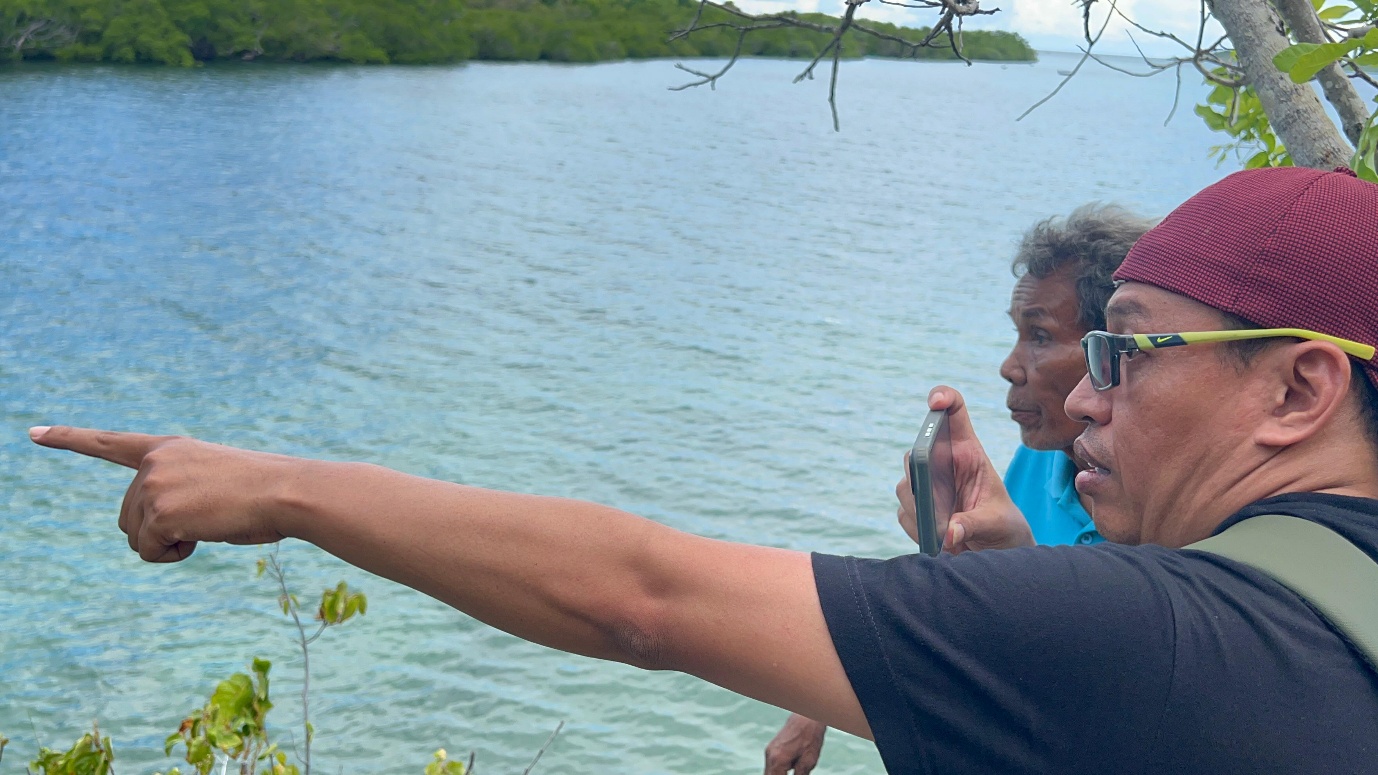
The expedition’s name, 'Sangga Ndolu', is translated from the Rotenese as' to seek or strive for peace/wisdom' (Henuk, 2015). This phrase strongly echoes Foeh Mbura’s depiction of the 'ignorance, backwardness and suffering' which ravaged Rote, and the community’s passion to 'locate a route to peace' (Henuk, 2015).
In addition, the local expression “sio ma tungga lela falu” further indicates that an inner spiritual yearning is what the Rotenese longed for particularly in conjunction with knowing new things. These reasons are not separable from the already mentioned divided Nusak politics and socio-economic vulnerabilities. Viewed in this context the policy of securing 'peace' was probably a plan adopted to prevent discord and turmoil among the various Nusak. At the same time as the pursuit of ‘knowledge’ and ‘religion’ gave expression to a keen consciousness of Rote’s backwardness brought on by remoteness, or at the very least garnering for a ‘new system’ that could provide shelter behind order and progress.
In addition to Dutch knowledge and religion, the Rotenese delegation did more than just ask for the 'freedom to rule their own lands without foreign interference.' This twofold petition exerts a claim on the space of external model (Dutch knowledge/religion) and at the same time negotiates for local space (local knowledge/religion), and this seems to contain a complex political strategy of localisation. It is clear that this was more than a help-seeking letter, but it was a bargaining for power that allowed them to control and not be controlled by the foreign; argue selectively for the elements of colonial power that would be helpful to their projects of internal development and jettison those elements that would be harmful. This speaks to the high levels of agency and strategic intelligence Foeh Mbura was able to exercise in its dealings with the VOC.
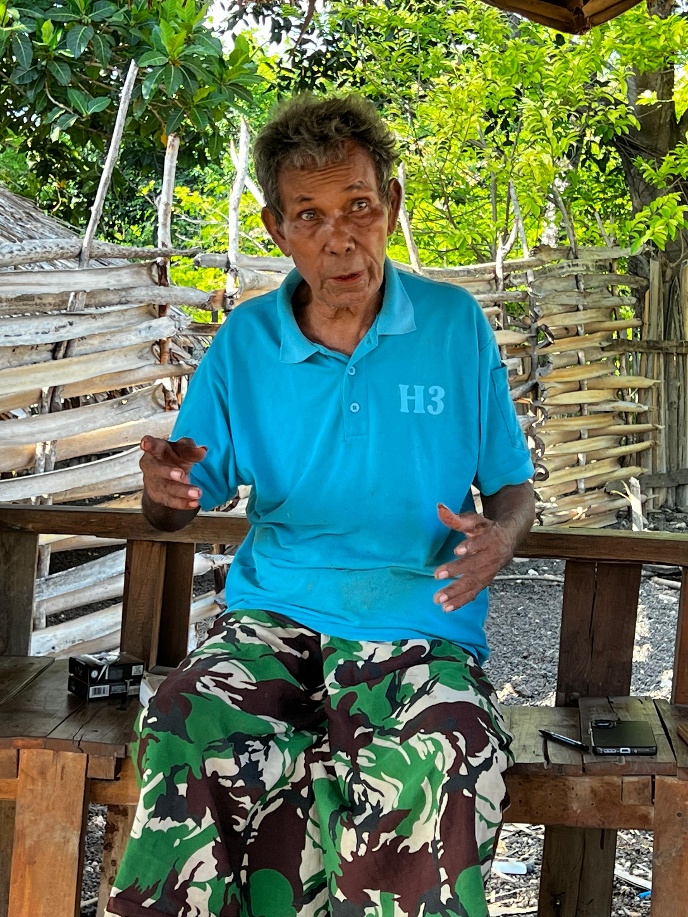
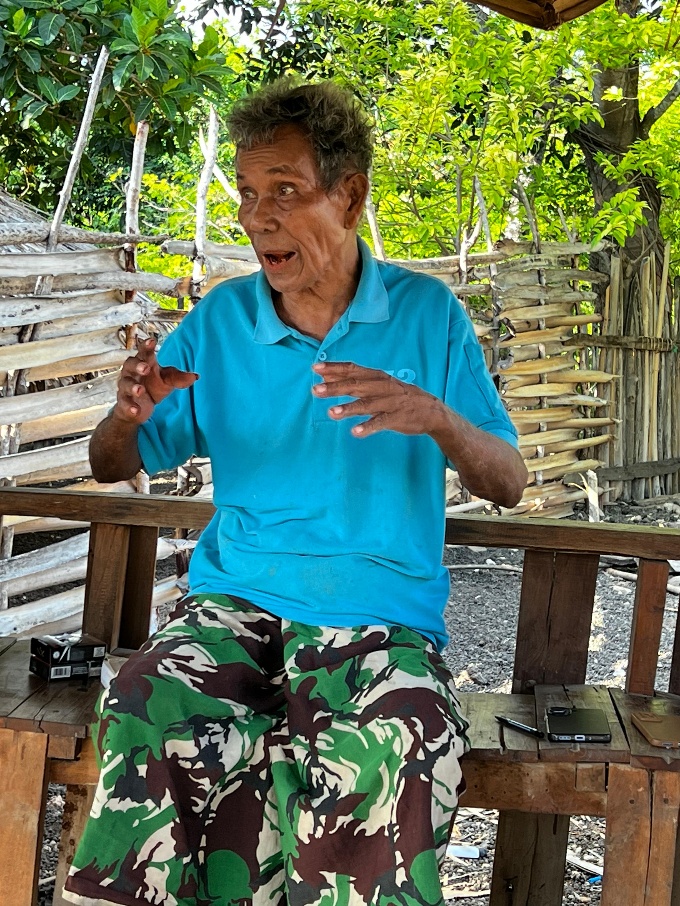
As the situation further unfurls, Jonas Mooy (2024) accounts that King Foeh Mbura made the order to the Makassarese shipwrights to build the ship. The craftsmen acceded to the project on the payment of 300 buffalo horns- a condition King Foeh Mbura gladly fulfilled. When the ship was ready for the sea, the four kings sent Nexian the delegation of 23 men from Thiie. There were 27 of them in all — including the two kings themselves.
Mooy then narrates a particularly grim incident in the preparations. When King’s permission time was drawing near, the king insisted that the people bring out a “two-legged animal” for a voyage ritual. Reading this literally, a villager named Gamea brought a chicken. But the King’s cryptic order held a grimmer meaning: he wanted a young virgin. Gamea therefore returned with his own seventeen-year-old daughter. Upon a stone altar now called for Batu Ana Feto (Stone of the Maiden) at the Sangga Ndolu Harbor, the hapless girl was a victim. Her blood was also an offering as a ritual tribute to insure safe passage to Batavia, it being understood that nothing would put the voyage at greater risk than that which insured it.
At the harbor, the expedition party assembled to name their ship. In the beginning, that is the name they gave it Dale Sue (meaning Good or Sincere Heart). Oddly enough though, the boat refused to movilaize as they got ready to throw it off. A new name was voted on. Resi Boru, an herdsman from the Bibi Mane clan, was consulted. He came up with the name Sangga Ndolu Tunggal Lela (Seeking Peace). Once this name was called, the boat sailed out to sea with the blessing of God. The expedition, led by a Makassarese captain married to a Rotenese woman, Selu Thiie, included Resi Boru. It was a long haul across the open ocean for two months, but at batavia, they just made it.
The voyage, from Rote to Batavia, was a record-breaking distance. Propelled by the four Rotenese kings that claimed rule over the archipelago and their retinues with no mode of transport other than a native vessel, the voyage to the unchartered sea is proof of the bravery and skill of the Rotenese seafarers (Henuk, 2015). However, the open ocean still presented great challenges to navigation. Windswept historical logs suggest that it was battered by strong winds, blown far to the south until it came ashore on Pulau Pasir—most likely what is now known as Ashmore Reef, a spot later visited by the Rotenese and Bajo trepang fishermen. Despite this detour, they succeeded in turning and running north to Batavia (Fox, 2002). This event emphasizes the extreme menace of long distance voyaging with the technology of that era, and how much they depended on Nature for their destiny.
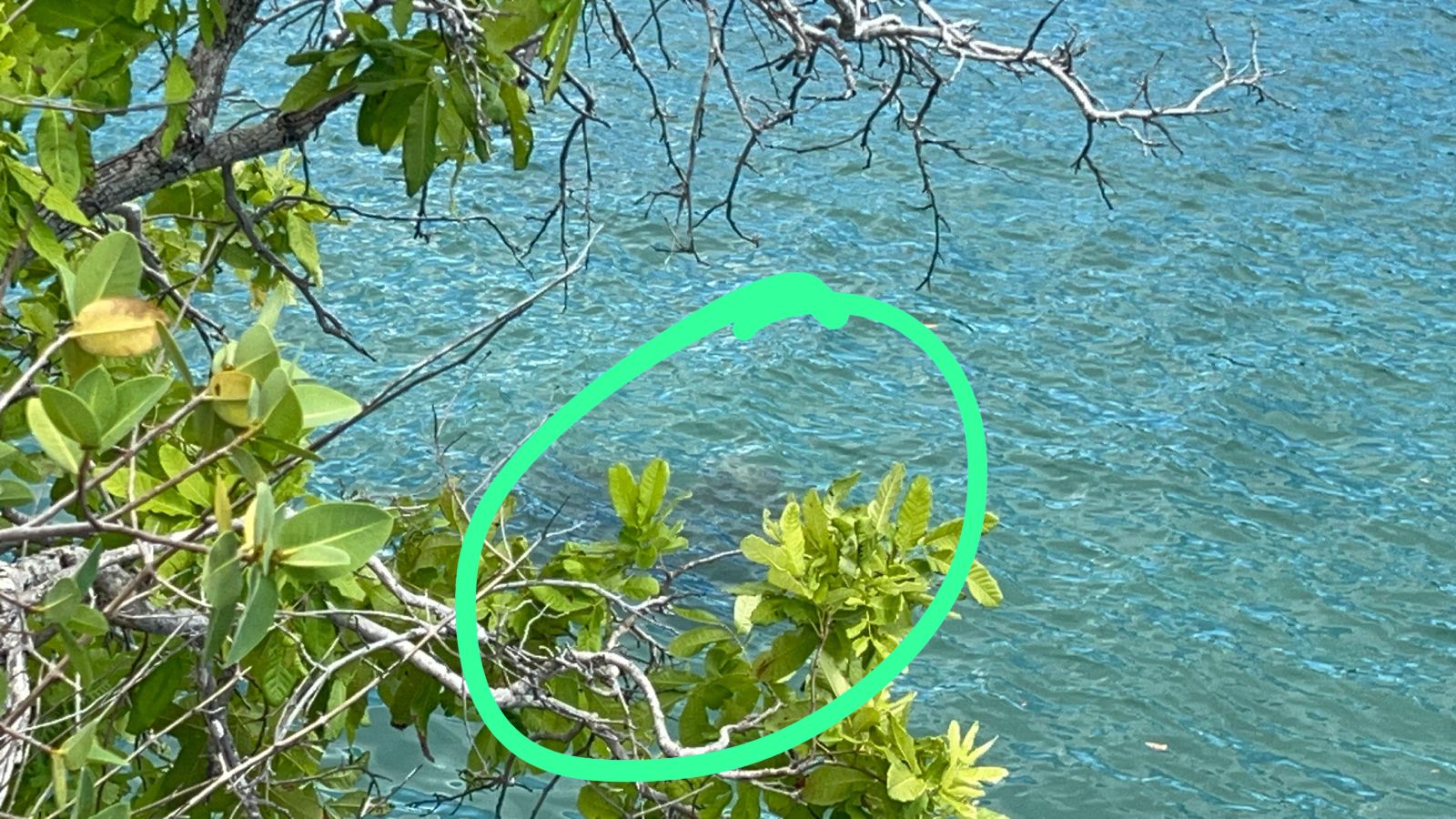
Upon arriving in Batavia, the Rotenese delegation was warmly welcomed by Governor-General Diderik Durven, the de facto ruler during 1729-32 (Stock, 2021). Durven is said to have promised to grant their wish for religious teaching. Nonetheless, the hospitality was probably not without calculating politics; it certainly represented VOC’s interest to gain local allies on the island of Timor, indeed an island of great resource potential (especially sandalwood trade) . The most historically significant result of this trip was Foeh Mbura’s choice to stay in Batavia for two years (c. 1730-1732) in order to “acquire knowledge” (Jonas Mooy, 2024; Henuk, 2015). It was during this interlude that Foeh Mbura was baptized with the Christian name Benyamin Mesah. As a mark of authenticity, he was given a command staff engraved ‘Benyamin Mesah Raja van Thie 1732’ (Henuk, 2015). Again, that period of contact in the “bellies of the beasts” of colonial administration turned out to be a wonderful historical bridge. In the course of these two years the 27 members of the party applied themselves so closely to their studies. As preparatio ns for the homeward journey were begun, they made the formal request that a clergyman and a teacher be sent to accompany them.
Jonas Mooy (2024) recounts a legendary dimension to this return journey. With the inclusion of these additional passengers—the minister and the teacher—the ship was overloaded, and several from the original party had to be left behind. A trick was used, four were sent to the jungle to collect bamboo. Taking advan tage of the occasion, the major party, with the cleric and the educator in tow, secretly departed for Rote.
The four who were left were Kano Ketu, Kolek, Sandi and Musu Huu. Oral tradition still retains the miraculous way of their ultimate return: Kano Ketu, it is said, rode a shark back to Rote; Kolek one; s crocodile; Sandi a stingray; and Musu Huu a dugong.
What started as something of a generic longing for “education and religion” soon came into focus as a clear mission: to bring Protestant Christianity and build schools and churches when they returned to Rote (Henuk, 2015; Mooy, 2025). On the other hand, the fate of Governor-General Durven was very different. He was recalled, however, and his term was cut short when the VOC (Heeren XVII) dismissed him on charges of financial wrongdoing — although he may have been a political scapegoat. The above machinations within the VOC may also have shaped the terms of his meeting with the Rote delegation (Knaap, 2024).
And yet, despite all the Company’s chaos, for Foeh Mbura himself the Batavia affair was a transformative turning point. It was the intellectual and spiritual stimulus for the radical reforms he would later introduce in his own country.
"Dawn of Civilization"? Christianization, Education, and Cultural Transformation in Rote
Foeh Mbura’s return from Batavia marked a new era in the social and cultural, and religious development of Rote Island. This era is often—though somewhat controversially—is considered to be the Rotenese “Dawn of Civilization.”
Although the 1729 mission did not immediately result in a tide of mass conversions, Foeh Mbura’s status as forerunner remained undisputed. Upon returning sometime around 1732, he was active in spreading the Gospel and baptizing hundreds—one source specifically mentions 964 souls (Aritonang, 2008). He became a distinctive, complex figure: king, teacher, and evangelist. This illustrates a powerful early coupling of traditional customary political power and the fledgling religious mission he was founding (Kholiludin, 2020).
The reach of Batavia stretched far beyond the significance of Foeh Mbura alone. About 1739, the King of Nusak Thiie (probably a successor or relative of Foeh Mbura), and the King of Lole also sought baptism for themselves and their people after they had travelled to Batavia and had face-to-face encounters with Christianity. This event clearly suggests that the Rotenese develops its own ideology.
Thus the Christian community thrived. By 1760, it was estimated that the number of the Christian population was 5,870, with 1,445 students in the newly founded schools. The arrival of formal education–which was after all the heart of Foeh Mbura’s vision–went hand-in-hand with the spread of Christianity, with the territory of Fiulain cited as one of the earliest points of this propagation as early as 1732 (Jonas Mooy, 2024).
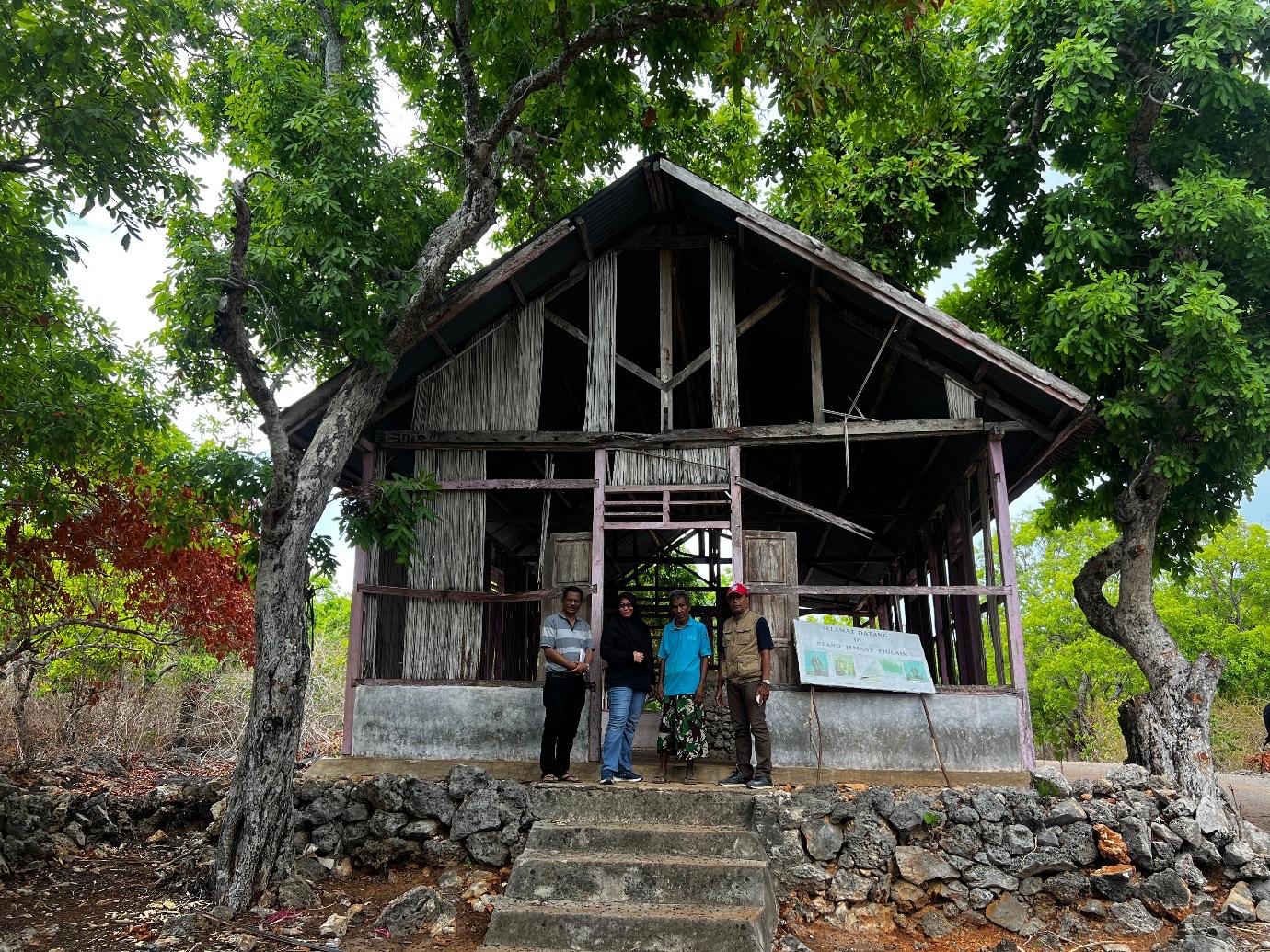
The "civilization" of the "Dawn of Civilization" needs to be critically interrogated. And yet, as stated above, in the 18th century, this kind of language was always articulated within a Eurocentric (Dutch) framework. For the colonists "progress in civilization" meant moving closer to Western forms of social organization, values, the Christian religion and Western-style schooling [Draft, Kroeskamp ref]. Use of this word, uncritically, is to risk flattening the profound complexities and noble ideals that had always existed within Rotenese societal, political, and religious infrastructures (Fox, 2024). In fact, the Rotenese had an established cosmology, hierarchical leadership structures, resilient economic models, and rich oral tradition before the Europe came (Fox, 2024).
Thus the post-1729 transformation on the island is better described as a mutating process, a churning negotiation and at times opposition, and not a wave of change sweeping the island. “Civilizational progress” does not have a singular obvious definition and is not just a simple story of “light” dispelling “darkness” that is uplift a society out of the “savages” to an imagined Western version of “civilization.”
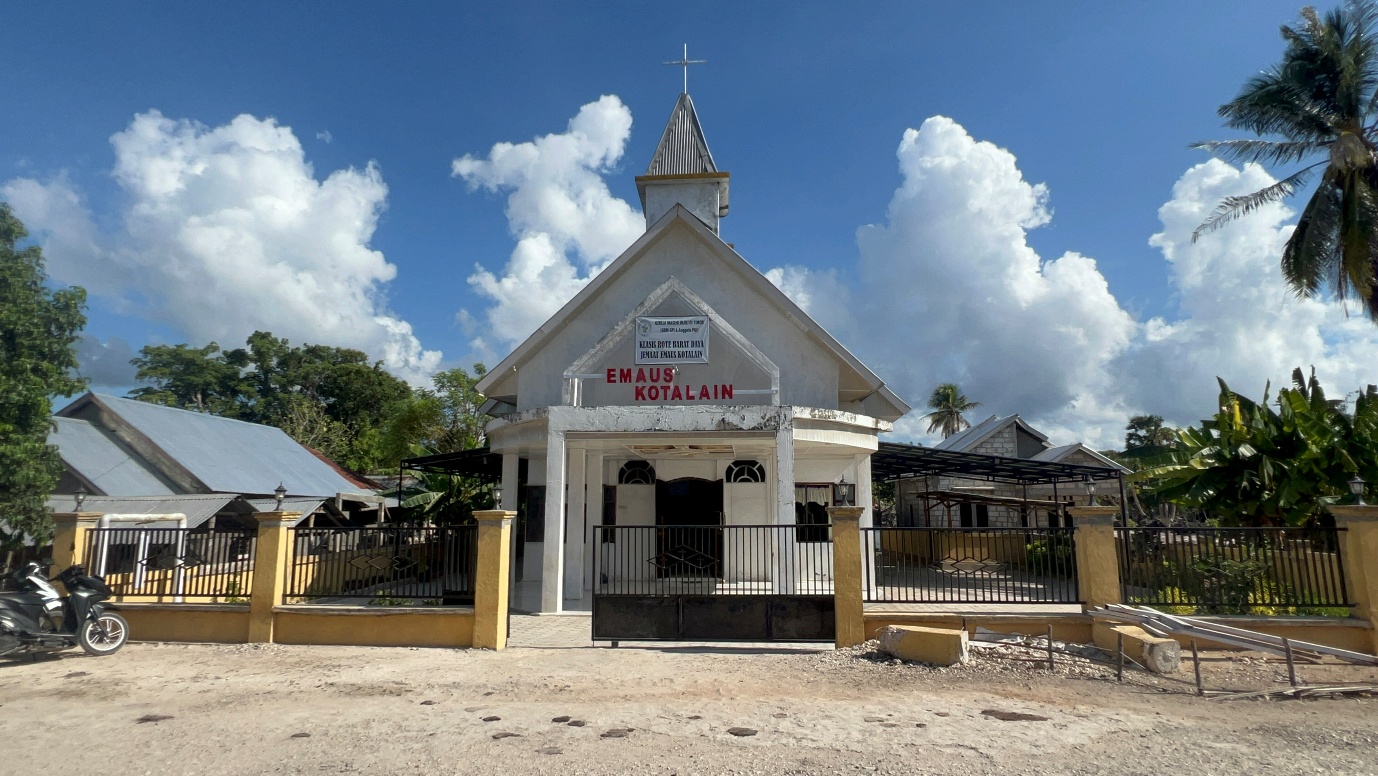
The expansion of churches and schools in Rote was closely tied to the workings of colonial offices and missionary agencies. The Dutch colonial government formed the Kerk Bestuur (Church Council). Yet academic critique indicates this organization focused more on gaining loyalty towards the state and adapting local tradition to Christian practices as opposed to comprehensive theological instruction (Aritonang, 2008). Which in turn means: during that time religious propaganda and education acted as tools of control—tools used to incorporate the people into the power relations of the empire.
With the beginning of the 19th century, the Nederlandse Zendeling Genootschap (NZG) took over the leadership of the Protestant mission in Timor and its neighboring islands, including Rote. This development of institutionalization was incisively supported by the establishment of the STOVIL school for training teachers, or seminary, in Rote in 1902. It was simple: to train indigenous teachers and church leaders. The end of this long, labyrinthine path was the foundation of the Gereja Masehi Injili di Timor (GMIT) as a self-governing church in 1947. This milestone brought the local church to maturity in a local context born from centuries of entangled history (Aritonang, 2008).
The introduction of Christianity did not abruptly overthrow the long-established belief systems or cultures of Rote—not its 'Dinitiu' nor its Sky-Sea cosmology. Instead, what followed was dynamic interaction.
From the reports, on the one hand, it might have been very troubled from the tension and early conflict. For example, one of the subsequent effects of Pentecostal influence is said to have caused tension with indigenous cultural practices such as the ban on beating gongs in worship (Blussé, 1988). That points to them seeking some kind of doctrinal ‘cleansing,’ or a hard line against any elements of local culture that were incompatible with the faith.
On the other hand, there is strong evidence for a syncretistic and adaptive process. Most obvious is the survival of the traditional Fu’a Auliliuk ceremony. This ritual of gratitude, which is strongly linked to the ancestors, is still practiced among GMIT members in Lole (Fox, 2002). In this ritual of off erings and blessing, one is entitled to notice how "prehistoric" elements have been integrated and interpreted in a Christian context.
The presence of such syncretism invalidates the claim that native culture was totally erased. Rather than obscuring identity-shaping dynamics, this event serves to illustrate the agency inherent in the Rotenese to define who they are in the face of religious transformation (Kholiludin, 2020). In that very complexity of acceptance, refusal, adaptation and reaction that is a reality far more vivid and nuanced than the monolithic narrative of the “Dawn of Civilization” (Djani, 2015).
| Year | Event |
|---|---|
| 1729 | Foeh Mbura Expedition to Batavia commences |
| ~1732 | Foeh Mbura returned from Batavia. He was baptized under the name Benyamin Mesah, received a command staff, and began pioneering evangelistic work. |
| 1732 | The introduction of Protestant Christianity and formal education into the Fiulain region (according to records from several sources). |
| 1739 | King Thiie (later followed by King Lole), after visiting Batavia, pioneered mass baptisms for himself and his people. |
| 1760 | Christian population reportedly reaches 5,870 individuals, with 1,445 students. |
| Early 19th century | The establishment of the Nederlandse Zendeling Genootschap (NZG), which began to play an active role in missionary work in Timor and Rote. |
| 1902 | Establishment of the Seminary (STOVIL) in Baa, Rote, for training indigenous teachers and church leaders. |
| 1947 | Gereja Masehi Injili di Timor (GMIT) becomes an independent church. |
Navigating Change: Rote's Maritime Ethos and Interactions with Makassar
The maritime setting of Rote Island is yet an additional crucial factor that cannot be overlooked when analysing the Batavia Expedition of 1729. The trip to Batavia was not the result of an aberration or fluke committed by a people “ignorant of the sea.” This is not to say, of course, that it was not in part a local tradition and an interface with the outside world.
Long before the sails of Foeh Mbura’s expedition were hoisted, the people of Rote had already established a deep connection with the ocean. Historical traces would indicate that the oprichniki ancestors landed on Rote island with boats—probably with boats of the lete-lete kind. This means that they had already acquired some seafaring capabilities in the past (Sultani, 2021). The pursuit of fish, known as ndai tasi, has long been an essential conventional means of survival (especially, but not exclusively, within fishing communities), along the way rounding out what was distinctive in their agricultural and lontar-based cultural modes of production (Fox, 2002).
Although it appears that their navigation was mostly limited to short range distances without the use of sophisticated instruments, they were capable. The very boldness of the long journey to Batavia, combined with the experience of conventional navigation south to Pulau Pasir (Ashmore Reef), demonstrates that (Fox, 2002). Study by James J. Fox substantiates this further and highlights marine resource use and ocean lore in Rotenese (Fox, 2002). Therefore, I argue that the Rotenese had a strong "maritime ethos"—as seen in their ability to draw upon the sea's bounty and their local sailing skill—even if they were not orientated towards distant maritime trade or oceanic adventure in the manner of some other seaborne tribes of the archipelago.
While the Sangga Ndolu Expedition is noted as a amazing maritime achievement, it was its socio-political and spiritual nature more than archetypal oceanic adventures or commercial pursuits that lay behind it. The very name of the ship, 'Sangga Ndolu', means a calculated search for peace and wisdom, not a show of naval strength. For these people the ocean was simply a way to get there; the real destination was getting to the land—where the center of colonial power was in Batavia.
And, the sea that separates Rote, Sabu and Timor is no more calm. That region had long been home, pace Hamid (2020), “a busy theater of maritime mastery” for the seafarers of South Sulawesi more broadly, made up of the Makassarese, Bugis, and Bajo. The reason these experienced mariners existed was for the one thing: searching for the right ocean resources to sell on the world market. The diva of that trade was trepang (sea cucumber), very much involved in the Chinese market at that time (Flinders, 2025). That is not surprising at all, since Makassar had by then developed into a huge trading center in the eastern archipelago (Sutherland, 2005).
The VOC records of 1728 give an account of a fleet of 40 small Bajo fishing boats—a number that frequently constitutes a group working under Makassarese trade networks—pursuing the development of trepang on the southwestern coast of Rote (Fox, 2009). The length of Makassarese presence in this region is not short; they are known to have been there from the 17th century to the early 20th Century (Flinders, 2025). But, as Fox (2009) suggests, “there was not always peace in these relations.” Amongst the stories recorded in history, where Bajo fishermen have been driven off by local Rotenese fearful of foreigners, making the fishermen retreat and sail on to Kupang and the Timor Sea (Fox, 2009). Although there is a lack of firm evidence for a strong cultural exchange or transfer of maritime technology between Makassar and Rote in the early 18th century, the impact of an intricate Makassarese maritime suprastructure on Rote’s maritimeimagery can hardly be doubted (Sultani, et al. 2021).
The superior capabilities of Makassarese sailors in high-seas navigation, vessel design and construction (prau), marine foraging (trepang), and commercial networking (Flinders, 2025) translated by implication to a vibrant sea and maritime trade environment in these waters. Even though it is tinged with conflict, it is not impossible that knowledge exchange and/or cultural influence occurred at other times—or at least the figure of their presence fostered a stronger maritime sensibility amongst the Rotenese. There is no reason to doubt that a Rotenese maritime tradition already existed and was perhaps inspired or developed as a result of this inter-regional dynamic.
Interestingly, a controversial narrative in Rotenese oral history attributes the development of sailing skills to the Madurese, not the Makassarese. This statement, however, is clearly subjected to further investigation and strong validation (Laila, 2012). Whichever entity intermingled with another, one thing stands out: the seas around Rote were not a silent vacuum. The seas itself was a buzzing field of regional maritime activity.
Conclusion
Unforetold with Foeh Mbura in Rotenese Sangga Ndolu 1729 The Batavia expedition—unspeakably monumental and of historical and cultural significance to the highest degree within and beyond Rote Island today—was a massive, multidimensional turning point incident in Rote history. This expedition was an intense expression of local agency, driven by a complex array of multiple and layered internal imperatives. They varied from on-ground realpolitik calculations for peace in a war-torn local political world and a hunger for knowledge that would help to put an end to ‘suffering,’ contenders who were also spiritual seekers who eventually found a home on the matter at the seat of colonial power in Christianity. The sailing, according to oral tradition, had been preceded by the ritual sacrifice of a young girl as a prerequisite for safe travel—indicating how deeply imbued with mythology the Rote people were at that time.
Without a doubt, this expedition was the catalyst for introducing and establishing Protestant Christianity and the Western system of formal education on Rote. Yet the framing narrative of a 'Dawn of Civilization' so often associated with it needs to be interrogated. The change was not a sudden smashing away of an 'inferior' old culture by a 'superior' new one. Instead, it is a process of acculturation through the prism of dynamics of adaptation, negotiation, resistance (for example to gong music), and syncretism (through Fu’a Auliliuk ritual) (Djani, 2015). Moreover, church and school building are not separable from the administrative needs and control mechanisms of the Dutch colonial government (Hägerdal, 2012).
The maritime context of Rote becomes yet another important dimension in this event. The Rotenese had a strong sea-faring tradition, especially in fishing and small-craft navigation, that was the basis for the trip to Batavia. While their campaign goals were primarily socio-political and religious, they operated in a fluid regional maritime climate, and had longstanding clashes with Makassarese trepang traders. These contacts, although not without friction (for example in 1728 (Fox, 2009)), would appear to inform Rotenese maritime consciousness and practice and to confirm—if indeed this ever needed confirming—their ability to engage the outside world on their own terms.
Interestingly, oral tradition also tells of some members of the expedition returning by metaphysical means: riding crocodiles, sharks, stingers, and dugongs. These wonderful stories may be metaphors of a powerful transformative experience—or of the extreme trials faced on the way back—set in a Rotenese maritime world view laden with symbolic meaning about the sea and those who live on it. As a result the significance and impact of the Sangga Ndolu Expedition needs to be approached not only through the lens of institutional historical representation but also through the lens of oral tradition and mythology which still informs Rotenese interpretations of this seminal event.
In the end the Batavia Expedition of 1729 has a lot to offer for a deeper understanding of the archipelago’s maritime history, colonial encounters, religious conversion processes, and the dynamic cultural interactions in Island Southeast Asia.
Acknowledgements
This research was supported by the Productive Innovative Research Funding (RISPRO) from the Education Fund Management Agency (LPDP) under agreement number: Nomor: B-1117/II.7.5/FR.06/7/2024 and Nomor: B-3656/III.8/TK.01.03/7/2024 dated July 1, 2024, regarding Skema Riset dan Inovasi untuk Indonesia Maju Ekspedisi for the research titled "Telusur Cerita Rakyat di Rote, Flores, dan Sumba, Nusa Tenggara Timur." The research team would like to express their gratitude and appreciation to the National Research and Innovation Agency (BRIN).
The authors acknowledge the limited use of artificial intelligence–based tools for language editing and preliminary drafting at early stages of the writing process. All substantive ideas, data analysis, interpretations, and final revisions are the sole responsibility of the authors.
References
- Aritonang, J. S., & Steenbrink, K. A. (2008). A History of Christianity in Indonesia. Leiden: Brill.
- Blussé, L. (1988). Strange company: Chinese settlers, mestizo women and the Dutch in VOC Batavia. Koninklijk Instituut voor Taal-, Land- en Volkenkunde, Leiden.
- Djani, D. R. (2015). Fu'a Auliliuk dalam budaya Rote: Tinjauan antropologis-teologis dalam kekristenan Jemaat Syloam Lole-Maku Rote Ndao [Skripsi/Tesis]. UKSW Program Studi Teologi, Salatiga, Indonesia.
- Flinders, D. (2025). [Source information is incomplete; please provide full reference data for this source].
- Fox, J. J. (2002). A study of socio-economic issues facing traditional Indonesian fishers who access the MOU Box: A report for Environment Australia. Environment Australia.
- Fox, J. J. (2009). Legal and illegal Indonesian fishing in Australian waters. In R. Cribb & M. Ford (Eds.), Indonesia beyond the water's edge managing an archipelagic state (pp. xxx-xxx). ISEAS–Yusof Ishak Institute.
- Fox, J. J. (2016). Panen lontar: Perubahan ekologi dan sosial ekonomi di Pulau Rote dan Sawu (Tim Penerjemah Pustaka Obor Indonesia, Trans.). Pustaka Obor Indonesia.
- Fox, J. J. (2024). Ritual voices of revelation the origin narratives of the Rotenese of Eastern Indonesia. Australian National University Press.
- Hägerdal, H. (2012). Lords of the land, lords of the sea: Conflict and adaptation in early colonial Timor, 1600–1800. KITLV Press.
- Hamid, A. R. (2020). The role of Makassar in promoting the spice route of the archipelago in the XVI—XVII centuries. Al-Turats: Journal of Archeology and Islamic Civilization, 7(2), 153-170. doi:10.24239/al-turats.v7i2.25037.
- Henuk, Y. L. (2015, May 4). Ekspedisi Sangga Ndolu Tahun 1729 ke Batavia di Pimpin Foeh Mbura — Kompasiana.com. Retrieved from https://www.kompasiana.com/prof_yusufhenuk/55a771b56c7e612d158d0cb9/ekspedisi-sangga-ndolu-tahun1729-ke-batavia-di-pimpin-foeh-mbura?page=all&page_images=4.
- Kholiludin, T., & Lattu, I. Y. M. (2020). Agama and budaya Nusantara pasca Kristenisasi. Lembaga Studi Sosial dan Agama. (eLSA)Press.
- Knaap, G., & Heijer, H. D. (2024). Wars overseas military operations by company and state outside Europe 1595-1814. Amsterdam University Press.
- Laila, N. (2012). Pengakuan terhadap hak penangkapan ikan tradisional (Traditional fishing right) menurut hukum laut internasional [Skripsi]. Universitas Indonesia.
- Mooy, J. (2024, November 18). [Personal interview], an elder and knowledge holder in Oebo Village, Rote Ndao Regency, East Nusa Tenggara, Indonesia.
- Stock, A. (2021). Diederik van Durven (1729-1730). The highest-ranking Dutch East India Company (VOC) official in Asia. Retrieved from https://www.alamy.com/diederik-van-durven-1729-1730-the-highest-ranking-dutch-east-india-company-voc-official-in-asia.
- Sultani, H., Rappe, N. N., Baso, R. R., & Nurdin, R. M. (2021). Pengaruh pelayaran dan kebudayaan Bugis Makassar terhadap masyarakat Aborigin di Pantai Utara Australia Abad XVII-XIX. Jurnal Penelitian Pendidikan Sejarah, 2(1), 1-10. doi:10.36706/jpps.v2i1.64.
- Sutherland, H. (2004). Trade, court and company: Makassar and the rise of the colonial state. In E. Locher-Scholten & P. Rietbergen (Eds.), Seaways and gatekeepers: Trade and state in the eastern archipelagos of Southeast Asia, c. 1600-c. 1906 (pp. 81-107). KITLV Press.
- Therik, W. M. A. (2014). Ethnic state, nation state dan civil society dalam relasi negara dan masyarakat di Rote [Disertasi Doktor]. UKSW.
- Therik, W. M. A. (2015). Relasi negara dan masyarakat di Rote. KRITIS, Jurnal Studi Pembangunan Interdisiplin, XXIV(1), 3-20.
- UNESCO. (2025). Nomination VOC archives for memory of the world register — UNESCO. Retrieved from https://media.unesco.org/sites/default/files/webform/mow001/netherlands_voc_archives.pdf.
- Vania. (2022). [Cause Exploration Prizes] Rote Ndao ~ A humanitarian crisis in a land of opportunity. Retrieved from https://forum.effectivealtruism.org/posts/F2BG3z9pWaiSyFqWv/cause-exploration-prizes-rote-ndao-a-humanitarian-crisis-in.
- Wikipedia. (2025). Diederik Durven — Wikipedia. Retrieved from https://en.wikipedia.org/wiki/Diederik_Durven.