
Assessing Livelihood Vulnerability and Socioeconomic Impact of Climate Change on Women Fish Processors in Depok Beach, Parangtritis Village, Southern Coast of Yogyakarta
 10.21463/jmic.2026.15.1.14
Abstract
Women fish processors in Depok Beach, Parangtritis village, on the southern coast of Yogyakarta, rely heavily on fisheries as their primary and often sole source of income. Most earn less than Rp 2 million per month, which is below the regional minimum wage, underscoring their economic dependency on fisheries and their heightened vulnerability to livelihood shocks. This study assesses the potential livelihood vulnerability of these groups to climate change-related livelihood impacts, focusing on exposure, sensitivity, and adaptive capacity. It also examines their socioeconomic conditions and the specific challenges they face within the fish processing sector. The widely recognized Livelihood Vulnerability Index (LVI) model was adapted by adding and modifying subcomponents tailored to the specific study area. Data collection was conducted through a household census along Depok Beach. A total of 75 samples were selected for this study. The findings indicated that women fish processors along the south coast of Yogyakarta were classified as vulnerable (0.52) and evaluated by LVI-IPCC as moderately vulnerable (-0.001). The elevated vulnerability stems from socioeconomic factors, including heightened reliance on fisheries, rising production costs, and fluctuations in climate conditions. However, socioeconomic exposure affects adaptive capacity. The primary factor affecting the sensitivity was the type of food. Despite the elevated vulnerability level, the women fish processors demonstrated remarkable resilience, which can be attributed to their significant capacity for learning. This study has the potential to assist the government in making informed decisions to improve the adaptive capacity of female fish processors in response to climate change.
Keywords
Climate change, livelihood, resiliency, vulnerability, women fish processors
Introduction
Climate change, manifested through rising temperatures, erratic precipitation, and increasingly frequent extreme weather events, has significantly disrupted rural livelihoods worldwide. (Cardoso et al. 2008; Raffaelli and Pardaet al. 2008; Huggel, et al. 2012; Clague and Korup, 2012; Dabbert et al. 2017). These impacts are not socially neutral. Climate-related hazards disproportionately affect economically marginalized groups with limited access to resources and institutional support, thereby intensifying livelihood vulnerability and poverty risks. (Kaczan and Orgill-Meyer, 2020). Coastal communities are particularly exposed due to their dependence on climate-sensitive natural resources and small-scale economic activities (Salim and Shridhar, 2014).
In the coastal communities of the Special Region of Yogyakarta (DIY), poverty remains high, underscoring the need for welfare improvements. DIY has 126 km of the southern Java Island shoreline (Ayuandina and El Hasanah, 2023; Ratnadewati et al. 2024). The three coastal regencies in DIY, Bantul, Gunungkidul, and Kulon Progo had a total GRDP of 40.81% less than that of Sleman Regency and Yogyakarta City in 2021 (BPS Provinsi D.I. Yogyakarta, 2022). According to previous findings, poverty rates in coastal areas are higher than those in inland regions (Pasda, et al. 2019). Within this context, fish processing represents a key livelihood strategy for coastal households, particularly for women.
The southern coast of Java, including Depok Beach, constitutes a fragile small-scale coastal socio-ecological system characterized by strong ocean currents, high waves, and highly seasonal fish landings (Gravitiani and Fitriana, 2018). Such environmental dynamics reduce fishing days and disrupt the continuity of raw material supply for downstream processing activities. From a socio-ecological systems perspective, livelihoods at Depok Beach are shaped by the close interaction between environmental variability and social organization, rendering them highly sensitive to both climatic and non-climatic stressors (Berkes et al. 2003; Ostrom, 2009).
Small-scale fish processing at Depok Beach is predominantly managed by women and embedded in informal, low-capital fisheries value chains. Dependence on artisanal processing techniques and seasonal catches increases sensitivity to climate and market fluctuations (Suadi et al. 2021; Nissá et al. 2024). From a gendered fisheries and value-chain perspective, female processors typically occupy downstream positions that are structurally disadvantaged, characterized by limited bargaining power, unstable incomes, and restricted access to technology, markets, and infrastructure (FAO, 2016; Harper et al. 2020).
These structural disadvantages are further reinforced by gendered social relations and by institutional arrangements. Women in coastal communities often face a dual burden as income earners and managers of domestic responsibilities, while their contributions remain undervalued in fisheries governance and development planning (WHO, 2016). Feminist scholarship emphasizes that such inequalities are not merely individual constraints but are embedded in broader political, economic, and spatial power relations (Agarwal, 1992; Rocheleau et al. 1996).
Women-led micro- and small-scale fish processing enterprises continue to encounter persistent barriers, including limited access to capital, inadequate processing facilities, weak standardization, post-harvest losses, and price uncertainty (Natalia, 2012; Deswati & Hikmah, 2016). At Depok Beach, tourism-oriented coastal development and shoreline dynamics further restrict production space and market access for women-run MSMEs (Sari et al., 2024). From a feminist political ecology perspective, these challenges reflect unequal access to coastal resources, infrastructure, and decision-making processes that systematically marginalize women within coastal economies (Béné, 2009; Béné et al. 2010).
Analytically, this study is grounded in vulnerability–resilience theory, which conceptualizes livelihood vulnerability as the interaction between exposure, sensitivity, and adaptive capacity (Chambers and Conway, 1992; Watts and Bohle, 1993; Adger, 2006; IPCC, 2007). From a sustainable livelihoods framework, resilience depends on households’ ability to mobilize and transform human, natural, physical, financial, and social capital in response to environmental and socio-economic stressors (Ellis, 2000; Hahn, et al. 2009; Scoones, 2015) Climatic, while climatic factors shape exposure and sensitivity (Laitonjam, et al. 2018). Adaptive capacity is strongly mediated by gendered access to assets, institutions, and livelihood opportunities (Nissa et al. 2019).
Although previous studies have demonstrated that livelihood vulnerability in coastal and fisheries-dependent communities arises from the interaction of climate variability, resource dependence, and market dynamics (Pandey and Jha, 2012; Mavhura et al. 2017; Jamshidi et al. 2019; Sujakhu et al. 2019; Nissa et al. 2019; Shen et al. 2022; Suadi et al. 2022). Few studies have explicitly integrated socio-ecological dynamics, gendered value-chain positioning, and structural power relations to examine the vulnerability of women fish processors in rapidly transforming southern coastal environments. This study addresses this gap by applying an integrated socio-ecological, gender-sensitive vulnerability framework to analyze the livelihood vulnerability of women fish processors at Depok Beach, with particular attention to their exposure, sensitivity, adaptive capacity, and the structural constraints embedded within fisheries value chains and coastal development processes. By bridging vulnerability–resilience theory with feminist political ecology and gendered fisheries value chain analysis, this study contributes to sociological understandings of how climate change, gender relations, and coastal political economy intersect to shape livelihood vulnerability in small-scale fisheries.
Materials and Methods
Study Area
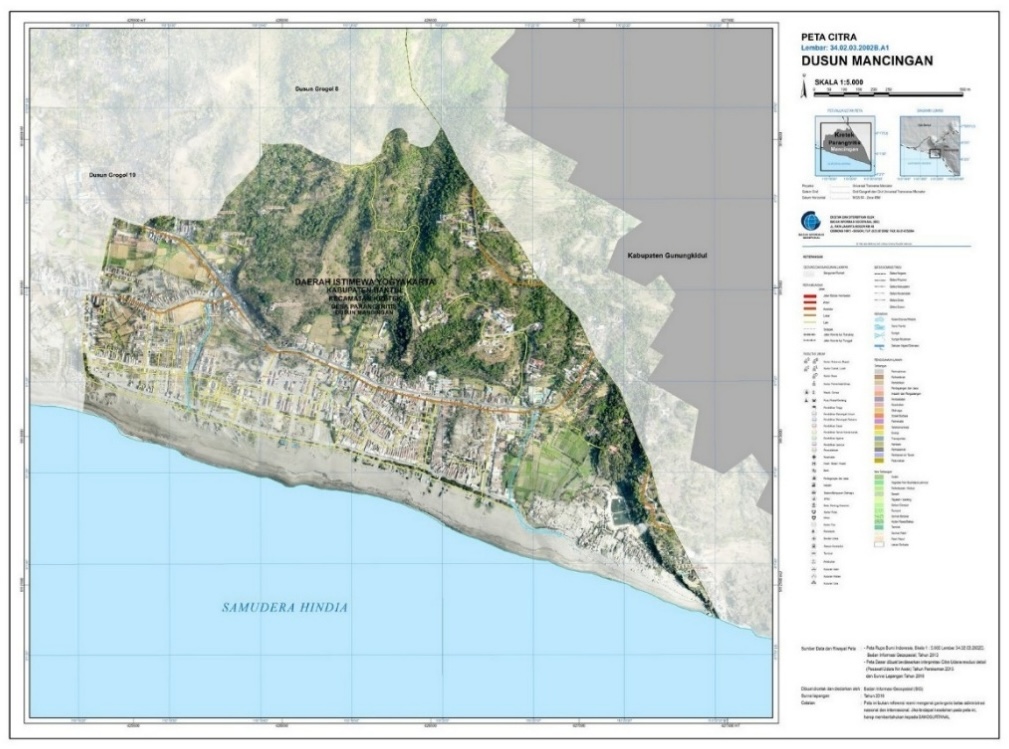
The data for the study were collected from the households of women fish processors in Parangtritis village, Depok Beach, on the south coast of Yogyakarta Province, Indonesia (Figure 1). Depok Beach, situated within Parangtritis Village in the Kretek District, adjoins the Indian Ocean and is located approximately 4 kilometers from the sub-district center. Paddy fields, residential areas, and dunes characterize the village's topography. Initially established as a fishery settlement, Pantai Depok served as a boat landing site before 1999. Inadequate infrastructure previously hindered accessibility; however, since 2000, significant development of tourism-related facilities, including roadways, has occurred (Nawawi, 2013). Local communities actively engage in coastal development initiatives through the collaborative efforts of the Kelompok Usaha Bersama (KUB) Mina Bahari 45 and Mina Bahari 45 II. The southern coast of Yogyakarta, including Pantai Depok, is a key area for women-led fish-processingfish processing businesses. Many women engage in traditional fish drying, smoking, and processing, supporting household income despite challenges such as unstable fish supply, market limitations, and environmental threats. Their livelihoods are highly vulnerable to climate variability, coastal erosion, and economic instability, necessitating targeted interventions to build resilience and promote sustainable development in the region.
Data Collection
We used quantitative data collected through a census of all 75 female fish processors along Depok Beach. Although the respondents were distributed along the shore, we ensured full coverage by approaching each individual directly at their stall. Data collection was conducted from May to June 2024 through structured interviews, each lasting approximately 20 to 30 minutes. The questionnaire used in this study was developed independently to explore the livelihood vulnerability and social resilience of women fish processors in Parangtritis Hamlet. It was specifically tailored to the local context, drawing conceptually from established frameworks such as the IPCC (2007), Hahn et al. (2009), vulnerability framework, which includes exposure, sensitivity, and adaptive capacity, and the Sustainable Livelihoods Framework (Chambers and Conway, 1992; Allison and Ellis, 2001). The instrument included the following components: respondent demographics, household characteristics, land tenure, sources of income, perceived climate-related vulnerabilities, and indicators of social resilience. Although informed by prior research, the questionnaire was not based on any standardized tool; it was designed to capture context-specific conditions through consultation with local stakeholders and pretested for clarity and relevance.
Data Analysis
This study employed a combined Livelihood Vulnerability Index (LVI) and LVI–IPCC approach to assess the multidimensional vulnerability of women fish processors in the area. The LVI framework aggregates multiple social, economic, ecological, and livelihood-related indicators into a composite index, whereaswhile the LVI–IPCC reorganizes these components into three analytical dimensions: exposure, sensitivity, and adaptive capacity, consistent with the IPCC vulnerability concept (Hahn et al. 2009; IPCC, 2007). Rather than reiterating the original frameworks, this study adapted the structure and indicators to reflect the gendered and socioecological realities of women fish processors at Depok Beach, Yogyakarta. Several modifications were made to the standard LVI framework to capture gender-specific vulnerability drivers that are often overlooked in conventional LVI assessments. First, the sociodemographic component was disaggregated into social, economic, and ecological exposure to better represent the chronic stressors faced by female processors, including competition over raw materials, regulatory constraints, and declining fish stocks. This adaptation aligns with previous studies that emphasize the need for context-specific vulnerability indicators in small-scale fisheries (Shah et al., 2013). Second, the five livelihood capital components (natural, physical, human, financial, and social capital) were explicitly incorporatedcomponents of livelihood capital (natural, physical, human, financial, and social capital) were explicitly incorporated, following the Sustainable Livelihoods Framework. Indicators within each capital were selected based on (i) empirical relevance observed during fieldwork, (ii) consistency with gendered vulnerability literature, and (iii) applicability to informal fish processing economies. For example, indicators related to access to raw materials, market infrastructure, institutional support, and social networks were prioritized due to their direct influence on women’s adaptive capacity. Third, the exposure component of the LVI–IPCC model was expanded beyond physical climate hazards to include socioeconomic and institutional stressors, reflecting the continuous pressures experienced by women fish processors in tourism-affected coastal zones. This broader conceptualization of exposure is consistent with localized vulnerability assessments in developing coastal contexts (Madhuri et al. 2015; Sujakhu et al. 2019; Nissa and Suadi, 2021). The final set of components and sub-components used in the analysis is presented in Table 1, which was adapted from Hahn et al. (2009) and IPCC (2007), with contextual modifications informed by gendered vulnerability literature and field observations.
| Main Component | Sub Component | Subcomponent explanation |
|---|---|---|
| Social | 1. Conflict involvement | Percentage of women fish processors experiencing conflict, inequality of rights, or disputes related to fish processing activities |
| 2. Increasing Competition | Percentage of women facing increased competition for raw materials, customers, or government support | |
| 3. Regulatory Constraints | Percentage of women affected by complicated rules, licensing issues, or administrative barriers | |
| Economy | 1. Decreasing Purchasing Power | The percentage of female fish processors who experienced a decline in sales |
| 2. Rising Production Cost | Percentage of women affected by increased processing input costs | |
| 3. Long-term debt | Percentage of women involved in long-term loans or experiencing credit repayment difficulties | |
| Ecology | 1. Declining raw material stocks | The percentage of women fish processors who have difficulty obtaining fresh fish raw materials |
| 2. Natural disaster or climate variability | Percentage of women affected by climate variability, extreme weather, coastal erosion, or rising sea levels. | |
| Human Capital | 1. Household labor availability | The percentage of households with more than two family members engaged in income-generating activities |
| 2. Completed the mandatory nine-year basic education | The percentage of women fish processors who fulfilled a nine-year basic education | |
| 3. Additional skills | Percentage of women possessing at least one additional skill beyond fish processing | |
| 4. Productive Age | Percentage of women fish processors under 50 years old | |
| Physical Capital | 1. Storage facility/infrastructure | The percentage of women fish processors who have access to proper raw material storage infrastructure |
| 2. Production infrastructure | Percentage of women with access to adequate processing equipment (drying ovens, smokers, grinders, knives, worktables). | |
| 3. Market access for raw material | Percentage of women purchasing raw fish from auctions or formal markets | |
| 4. Market Infrastructure | Percentage of women accessing modern or traditional markets (stalls, kiosks, direct sales, distributor partnerships). | |
| Financial Capital | 1. Access to the credit | Percentage of women with access to formal or semi-formal loans (banks, cooperatives, microfinance institutions). Crowdfunding/VC: Access to digital platforms |
| 2. Transfer Payment | Percentage of women receiving regular remittances from family or relatives | |
| 3. Alternative income source | Percentage of women engaged in additional income-generating activities | |
| Social Capital | 1. Group membership | Percentage of women actively participating in groups or cooperatives |
| 2. Neighborhood relations | Percentage of women receiving support from neighbors or extended family | |
| 3. Social Network | Percentage of women with stable connections to fishermen, traders, distributors, or consumers | |
| Natural Capital | 1. Raw material suppliers | Percentage of women with consistent suppliers of fresh marine raw materials |
| 2. Productive agricultural land | Percentage of women owning or accessing productive agricultural land for side income | |
| Water | 1. Water Access | Percentage of households reporting difficulty accessing a consistent water supply |
| 2. Water conflict | Percentage of households reporting water-related conflicts in the community | |
| Food | 1. Dependence on fisheries | Percentage of households relying mainly on fish processing for food access |
| 2. Food Diversity | Percentage of households with limited access to nutritious and diverse food | |
| Health | 1. Chronic diseases | Percentage of households with at least one member suffering from a chronic disease |
| 2. Prolonged illness | The percentage of women experiencing illness lasting more than two weeks |
Indicator selection and modification were informed by the gendered vulnerability literature and field observations of women fish processors. The social, economic, and ecological exposure components were disaggregated to capture gender-specific and institutional stressors in small-scale fish-processing livelihoods.
The LVI calculation in this study also used the IPCC approach of equal weighting for all primary components. According to the IPCC definition, vulnerability characteristics depend on exposure category, system sensitivity, and adaptive capacity. LVI-IPCC index: An alternative to calculating LVI by combining vulnerability definitions according to the IPCC. According to the IPCC, vulnerabilities are defined by three components: stress/exposure, adaptive capacity, and sensitivity. Table 2 describes the methods for LVI-IPCC computing.
| Component | Main Component |
|---|---|
| Exposure | Social, Economy, Ecology |
| Adaptive Capacity | Natural Capital, Human Capital, Physical Capital, Financial Capital, Social Capital |
| Sensitivity | Food, Health, Water |
All subcomponents were standardized using min–max normalization to generate unitless values ranging from 0 to 1, ensuring comparability across indicators. The main component scores were calculated as the arithmetic mean of their respective standardized subcomponents. The overall LVI score was obtained by aggregating all main components with equal weights, following Hahn et al. (2009). For the LVI–IPCC analysis, the main components were grouped into exposure, sensitivity, and adaptive capacity. The LVI–IPCC score was calculated using the formula:
$$ \mathrm{LVI - IPCC} = (E - A) \times S $$
where \(E\) represents exposure, \(A\) adaptive capacity, and \(S\) sensitivity. The resulting values range from −1 (least vulnerable) to +1 (most vulnerable).
The assessment of resilience measures employs a Likert scale based on criteria Ellis, (2000) established for livelihood capital analysis. Resilience criteria are derived from Ifejika Speranza et al., (2014) to evaluate buffer capacity, self-organization, and learning capacity. The overall final score for each indicator is computed using the equation below.
$$ Y = \frac{X - \text{minimum score } n}{\text{Maximum Score} - \text{Minimum Score}} \times 100\% $$
The index value (\(Y\)) is classified according to Bloom's cut-off criteria: values below 60% are considered low, between 60% and 80% are medium, and above 80% are high. The tools for assessing resilience values are shown in Table 3.
| Components | Assessment component |
|---|---|
| Buffer Capacity | Five livelihood capital |
| Self-organization | Reliance on one's own resources, cooperation, networks, reciprocity, and trust |
| Capacity for learning | Commitment to learning. Knowledge of threats and opportunities, participation in accessing information. Knowledge transfer capability |
Results
Respondent Profile
The majority of female fish processors are aged 30–50 years (54.16%), with an average age of 49.75 years, indicating that most are in the productive age group. The dominance of women aged 30–50 years shows that fish processing is primarily sustained by individuals in their productive life stage, where economic responsibilities for both household consumption and income generation converge. This dual burden may intensify livelihood vulnerability, particularly under conditions of income instability and rising production costs. Regarding education, the majority of respondents had only completed high school (36.12%). In comparison, those with a diploma or bachelor's degree were very few (1.38%), indicating limited formal education, which can affect access to information and business innovation. Limited formal education constrains women fish processors’ access to market information, financial services, and technological innovation, thereby reducing their adaptive options when facing economic or environmental shocks.
Regarding the number of family members, most respondents have 3–5 family members (81.94%), which may affect household economic strategies, especially in meeting living needs. In terms of experience in fish processing, 59.72% have more than 10 years, with an average of 13.89 years, indicating a relatively high level of expertise in this industry.
In terms of economy, the majority of respondents, referring to the individual income of women fish processors, have an income of under 2 million rupiahs per month (88.88%), with an average income of 1,861,069 rupiahs. This figure is below the regional minimum wage of 2,216,463 rupiahs in Bantul District, DIY, indicating economic constraints. These indicate economic limitations that can increase household vulnerability to fluctuations in raw material prices and market instability, underscoring a firm reliance on fisheries as the primary source of income. Earning below the regional minimum wage suggests that fish processing activities function more as survival-oriented livelihoods rather than growth-oriented enterprises. This condition increases sensitivity to fluctuations in raw material prices and market demand, reinforcing structural economic vulnerability.
Livelihood Vulnerability Index
Female fish processors exhibit a medium-to-high Livelihood Vulnerability Index (LVI) of 0.52 (Table 4). Economic (0.74), ecological (0.58), and physical capital (0.86) components contribute most to overall vulnerability, whereas health (0.03) and water (0.03) show relatively low vulnerability. Elevated economic and ecological scores indicate intense exposure to external shocks beyond women’s control, while the high physical capital value reflects reliance on existing infrastructure rather than adaptive flexibility. This pattern suggests that vulnerability is primarily rooted in structural exposure rather than asset scarcity. Key economic stressors include rising production costs (0.94), declining purchasing power (0.72), and dependence on long-term loans (0.56). Although loans provide short-term financial relief, reliance on debt in the absence of diversified income sources increases long-term livelihood fragility, particularly under conditions of unstable raw material supply and market volatility. Female fish processors have a medium to high Livelihood Vulnerability Index (LVI) of 0.52 (Table 4). The table shows that economic (0.74), ecological (0.58), and physical capital (0.86) are the main elements causing high vulnerability, while health (0.03) and water (0.03) are less vulnerable. High economic and ecological vulnerability indicates that women fish processors are exposed to external shocks largely beyond their control. In contrast, the high physical capital score reflects dependence on existing infrastructure rather than adaptive flexibility. This pattern suggests vulnerability rooted in structural exposure rather than a lack of assets. Female fish processors face many challenges, including rising production costs (0.94), declining purchasing power (0.72), and long-term loans (0.56), which can worsen their financial stability. Loans provide financial resources, but reliance on debt may increase the danger of long-term business sustainability, especially without other solid revenue sources. While access to long-term loans temporarily alleviates capital constraints, dependence on debt without diversified income sources may increase long-term livelihood fragility, particularly under unstable raw material supply and fluctuating market conditions.
Ecological issues, especially their dependency on local fish catches, make women fish processors vulnerable. This study did not explicitly gather CPUE data, but the Indonesian Ministry of Fisheries and Marine reported 2.71 tons per vessel per year in 2019, 4.35 tons in 2020, 3.58 tons in 2021, 5.88 tons in 2022, and 5.83 tons in 2023. The trend shows a rise, while year-to-year changes indicate uncertainty in marine resource availability. Ocean warming, tidal surges, and monsoon patterns cause these oscillations. Women fish processors depend on these landings for raw materials; therefore, fish availability directly impacts their production capacity, income stability, and livelihood security. Thus, the supply chain of landed fish, which is more sensitive to climate-related stressors, mediates the ecological fragility of these species. High physical capital (0.86) indicates adequate production infrastructure, access to raw material markets, and storage facilities. However, this strength may also signal an over-reliance on fixed assets and limited adaptation of livelihood strategies, increasing vulnerability during environmental or market disruptions. Social capital (0.82) reflects strong community support, particularly through dense social networks and positive neighborhood relations, although relatively low group membership (0.58) may constrain access to collective resources that enhance resilience. Natural capital (0.67) underscores a strong dependence on natural resources, especially fresh marine products and productive agricultural land. Despite an overall upward trend in fish landings, pronounced inter-annual variability indicates ecological uncertainty. For women fish processors who rely on daily landings rather than long-term averages, such fluctuations translate directly into production instability and income insecurity. The high amount of physical capital (0.86) suggests sufficient production infrastructure (1.00), raw material markets (1.00), and storage facilities (0.63). However, the high value of this physical capital may indicate an over-reliance on current infrastructure and a lack of adaptation of livelihood strategies, which increases risk. High physical capital scores suggest adequate infrastructure and market access; however, this may mask a form of vulnerability associated with rigid livelihood strategies that rely heavily on fixed assets and offer limited flexibility during environmental or market disruptions. Meanwhile, social capital (0.82) shows strong community support, especially from social networks (0.99) and positive community ties (0.90). Social group membership (0.58) is limited, which may limit access to shared resources that boost livelihood resilience. Natural capital (0.67) shows that women fish processors depend on natural resources, particularly fresh seafood (0.76) and productive agricultural land (0.58), to survive. Although overall landings show an increasing trend, pronounced inter-annual variability reflects ecological uncertainty. For women fish processors who depend on daily landings rather than long-term averages, such fluctuations directly translate into production instability and income insecurity.
Low vulnerability values include water (0.03) and health (0.03). These numbers show that water availability and good health don't threaten their livelihoods. The figure of 0.63 shows a heavy reliance on fishing resources, whereas 0.36 limits food variety. This may cause problems during emergencies or major economic transitions.
| Main Component | Sub Component | Value Sub Component | Value main component |
|---|---|---|---|
| Social | % Conflict Involvement | 0.15 | |
| Increasing competition | 0.89 | 0.44 | |
| Regulatory constraints | 0.26 | ||
| Economy | Decreasing Purchasing Power (%) | 0.72 | |
| Rising Production Cost | 0.94 | 0.74 | |
| Long-term debt | 0.56 | ||
| Ecology | Declining Raw Material Stocks | 0.36 | 0.55 |
| Experience a Natural disaster or climate variability in the last 5 years | 0.72 | ||
| Get a warning about a natural disaster | 0.58 | ||
| Human Capital | Employed family member >2 persons Household labor availability | 0.58 | |
| Completed the mandatory nine-year basic education | 0.67 | 0.49 | |
| Have other skills. Additional skills | 0.21 | ||
| Of productive age | 0.49 | ||
| Physical Capital | Storage facility/infrastructure facilities | 0.63 | |
| Production infrastructure | 1.00 | 0.86 | |
| Market access for raw material | 1.00 | ||
| Market infrastructure | 0.81 | ||
| Financial Capital | Access to the loan | 0,96 | |
| Transfer Payment | 0.15 | 0.45 | |
| Another Alternative income source | 0.25 | ||
| Social Capital | Join and be Active in group membership | 0.58 | |
| Good Neighborhood relationship | 0.90 | 0.82 | |
| Social Network | 0.99 | ||
| Natural Capital | Raw material suppliers | 0.66 | 0.67 |
| Productive Agriculture: agricultural land | 0.58 | ||
| Water | Households do not have a consistent water supply | 0.05 | |
| Water conflict | 0.03 | 0.04 | |
| Food | Dependence on fisheries | 0.86 | 0.62 |
| Limited Access to Nutritious Food and Food Variety | 0.40 | ||
| Health | Chronic illnesses/diseases | 0.15 | 0.09 |
| Prolonged illness | 0.03 | ||
| LVI | 0.52 |
The LVI–IPCC results classify women fish processors as moderately vulnerable, with a composite score of –0.001. This low value reflects the interaction between relatively high exposure (0.192), slightly higher adaptive capacity (0.203), and low sensitivity (0.112). Importantly, the negative score does not imply the absence of vulnerability; rather, it indicates that existing adaptive capacity marginally offsets exposure pressures, thereby dampening overall sensitivity. The ecological (0.55) and economic (0.74) components are the primary drivers of exposure, highlighting environmental instability and persistent financial stress associated with rising production costs and declining purchasing power. Adaptive capacity is primarily driven by physical (0.86) and social capital (0.82), which provide infrastructure, market access, and robust social networks. However, this form of adaptation remains largely absorptive rather than transformative, as heavy reliance on fixed assets and limited livelihood diversification constrains long-term flexibility. Sensitivity remains relatively low due to stable access to water (0.04) and health conditions (0.09), although continued dependence on fisheries-based food resources (0.63) sustains underlying risk. Overall, the LVI–IPCC findings suggest that women fish processors maintain moderate resilience through social support and coping strategies. Yet, their vulnerability persists due to structural exposure to environmental and economic shocks, underscoring the need for livelihood diversification and strengthening adaptive capacity. The LVI-IPCC calculates female fish processors as moderately sensitive at -0.001. The calculations show that this group has a high level of environmental and economic vulnerability (0.192), somewhat higher adaptive capacity (0.203), and lower sensitivity (0.112). The negative difference between exposure and adaptive capacity multiplied by sensitivity yields a low LVI-IPCC value. The negative number indicates a somewhat stronger adaptive capability than exposure, not an absence of susceptibility. Low sensitivity lowers the final index. This suggests that while women fish processors still confront environmental and economic constraints, social networks, information sharing, and diversification help them cope. Thus, the LVI-IPCC score indicates moderate vulnerability, with resilience mechanisms playing a significant role.
Ecological variables (0.55) and economic factors (0.74) drive the high Exposure rating, signifying environmental instability and financial pressures from high production costs and diminishing purchasing power. Physical capital (0.86) and social capital (0.82) are much greater than other components in Adaptive Capacity (0.203). High physical capital provides production infrastructure and market access, but without business diversification, it is vulnerable. The vulnerability level is affected by fisheries-based food resources (0.63), health (0.09), and water (0.04) factors, despite their lower values. A negative LVI-IPCC score (-0.001) indicates that female fish processors' adaptive capacity exceeds their exposure, minimizing concerns about sensitivity. Strategies to boost the economy, diversify livelihoods, and strengthen adaptive capability increase resilience to environmental changes and economic instability.
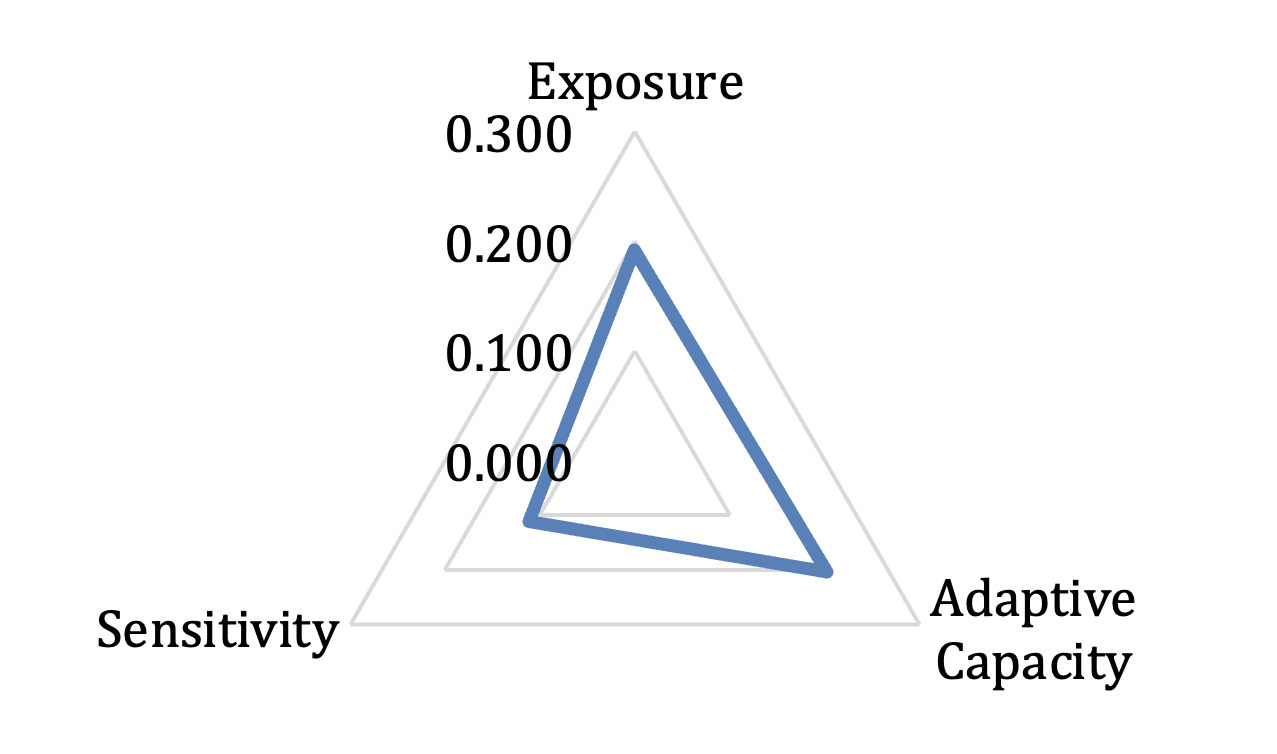
Figure 2 illustrates that the adaptive capacity of women fish processors in Parangtritis is primarily shaped by social and institutional factors rather than by individual economic strength. Strong social networks, active participation in women’s processing groups, and access to complementary livelihoods such as tourism-based activities enhance collective problem-solving and facilitate rapid responses to environmental and market stressors. These mechanisms function as social buffers, enabling households to absorb short-term shocks without an immediate livelihood collapse. The relative proximity to markets and engagement in community-based organizations further amplify adaptive capacity, highlighting how the local institutional context mediates vulnerability beyond household-level assets.
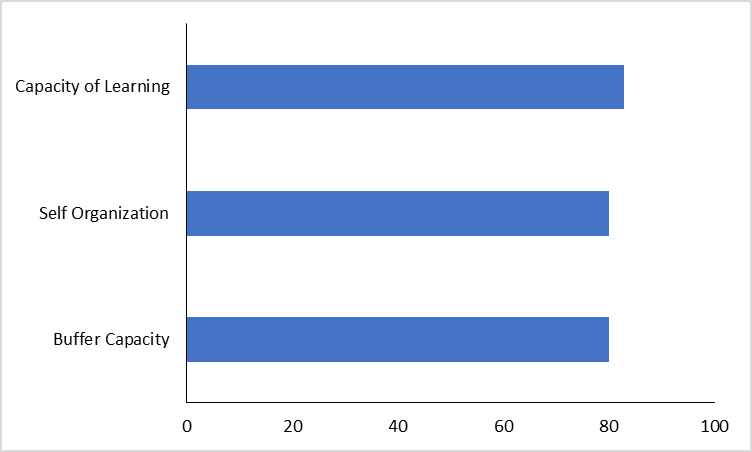
Figure 3 further supports this interpretation by demonstrating that resilience is not uniform across all dimensions but is instead driven by learning capacity (83%), buffer capacity (80%), and self-organization (80%). High learning capacity reflects the ability to acquire and apply knowledge through group interactions, extension activities, and peer exchange, which supports incremental innovation in processed fish products. Buffer capacity, supported by access to infrastructure, raw materials, credit, and skills training, allows households to stabilize production during periods of supply disruption. Meanwhile, strong self-organization enables women to mobilize networks, diversify income sources, and secure alternative raw material channels. Together, these findings indicate that resilience among women fish processors is collective and process-based, relying on social learning and organization rather than solely on material assets. Figure 2 shows that Parangtritis women fish processors have significant social and institutional adaptability capacity. Strong social networks (women's fish processing groups), access to diverse livelihoods such as tourism and small-scale fish processing, and high informal community support may explain this capacity. These characteristics speed up environmental stress responses and improve long-term planning. Compared to women in other coastal villages, Parangtritis women are more resilient due to their proximity to markets and their active participation in community-based organizations. This shows how local context affects adaptive capacity.
Figure 3 illustrates that female fish processing families are resilient due to their 83% learning capacity, 80% buffer capacity, and 80% self-organization capacity. Attending group meetings, counseling, and sharing information demonstrates their strong learning capacity, fostering innovation and diversity in processed fish products. Raw material supplies, stall ownership, production facilities, loans, and skills training provide a strong buffer capacity. High self-organization enables them to acquire alternative raw material sources, take on side jobs, and network across more than 3 business groups, enhancing their versatility. These three factors demonstrate that female fish processors can prosper despite economic and societal constraints.
Discussion
The findings from Parangtritis illustrate how women’s fish-processing livelihoods operate within a gendered coastal socio-ecological system in which climate variability, market instability, and institutional constraints intersect. Rather than acting as isolated environmental shocks, rising sea surface temperatures, coastal erosion, and extreme weather events interact with existing economic precarity to intensify the vulnerability of women processors' livelihoods. This confirms broader international scholarship, which shows that women in small-scale fisheries are disproportionately exposed to climate risks due to their concentration in post-harvest and informal value chain segments (Call and Sellers, 2019; Harper et al. 2020). In Parangtritis village, Yogyakarta, Indonesia, several households worked in fishing, creating livelihood strategy vulnerabilities. Climate change impacts female fish processors in several ways. Rising sea surface temperatures, variable weather, and coastal erosion have reduced nearshore fish catches, limiting the processing of raw materials. Storms and tidal floods have also interrupted fishing and destroyed drying racks and stalls. Women find it difficult to respond to environmental stressors due to economic constraints, including fluctuating seafood prices and limited finances. These connected issues make livelihood systems uncertain and vulnerable (Semeraro et al. 2023).
Although aggregate CPUE data suggest a fluctuating but generally increasing trend, this study demonstrates that such macro-level indicators fail to capture the lived vulnerability of women fish processors. For women who depend on daily landings of specific species or affordable bycatch, inter-annual and seasonal variability translates into immediate production instability and income insecurity. From a feminist political ecology perspective, this highlights how women experience ecological change indirectly through disrupted access to resources rather than direct resource control, reinforcing their structural marginalization within fisheries value chains (Clement and Harcourt, 2019; Sultana, 2020). Access to fish remains a significant vulnerability. According to field interviews, women's livelihoods in the community have been severely affected by the recent decline in fish catches, attributed to overfishing, overcapacity of fishing fleets, and illegal fishing. The accessibility and acceptability of fish supplies for female processors remain susceptible, despite a variable but increasing trend in the aggregate CPUE per vessel between 2019 and 2023 (from 2.71 tons in 2019 to 5.83 tons in 2023), according to field contacts. For their small-scale processing businesses, many women depend on particular fish species, seasonal catches, or reasonably priced bycatch. Due to ecological changes, competition from larger fleets, and economic volatility, including price instability and increased input prices, these resources are becoming more and more unpredictable (Adger, 2006). Social networks can help stakeholders work together to address climate change-related concerns and issues. Increasing the frequency of community interactions with political elites, the media, government agencies, and big corporations can help the community become more adaptive in uncertain times. (Widiono et al. 2024).
Field interviews and focus groups indicated that most women avoid associations. Political considerations, lack of interest in group issues, and past experiences with dishonest association leaders who favored help, loans, and other support systems explain this reluctance. This has led fish processors and traders to avoid local group activities.
While social capital emerged as a key source of adaptive capacity, the findings also reveal a paradoxical relationship between informal networks and formal collective action. Although women recognize the benefits of associations for accessing credit, training, and government support, distrust toward formal organizations, rooted in past experiences of elite capture and unequal benefit distribution, discourages active participation. This pattern reflects broader findings in gender and fisheries literature, where informal kinship-based networks often substitute for formal institutions but simultaneously limit women’s bargaining power and political voice (Kleiber et al. 2015). Women recognize the value of social networks in their livelihoods. They suggested that social networks could help integrate women into the fisheries sector by providing a unified voice, access to extension services and training, corporate loans, government assistance, and NGO support. Social networks can also help microcredit unions form, giving members more flexible loan repayment options. This project can assist female fish processors and dealers in overcoming financial barriers and becoming more financially included. Women fish processors at Depok Beach have strong kinship and community links that provide informal support under ecological and economic crises. These social networks align with social capital, particularly the network-based dimension, which has been shown to boost resilience in vulnerable populations (Putnam, 1994). Networks provide shared information, material aid, and collective problem-solving, which promotes adaptive capacity. This perspective illuminates how community-based institutions like Mina Bahari reduce social vulnerability through trust, cooperation, and collective action.
Despite the seasonality of fishing and related industries like processing and trading, 75% of the questioned women have no other livelihood options. These findings agree with Suadi et al. (2022), who showed that most fish-dependent populations lack alternative habitats that align with those of Suadi et al. (2022), who demonstrated that most fish-dependent populations lack alternative sources of income. Thus, governmental interventions should encourage livelihood diversification among women in this study area. However, alternative livelihood projects should match their interests, lifestyles, and talents to avoid abandonment after the programs expire.
The LVI–IPCC results indicate that women fish processors exhibit moderate vulnerability, not because exposure is low, but because adaptive processes, particularly learning and self-organization, partially offset environmental and economic stressors. This finding aligns with resilience theory that conceptualizes resilience as a dynamic capacity rather than a static condition. Learning capacity, driven by peer exchange, digital media use, and extension services, enables women to respond incrementally to market changes without fundamentally altering their livelihood base. However, this form of resilience remains fragile, as it relies on continuous access to raw materials and informal credit rather than structural transformation. The IPCC-based Livelihood Susceptibility Index (LVI) is an alternative approach to assessing community livelihood susceptibility to climate change. The livelihood vulnerability of Depok Beach female fish processors is modest. Thus, the livelihoods of female fish processors at Depok Beach are vulnerable, as indicated by both the raw Livelihood Vulnerability Index (LVI) results and the IPCC vulnerability index methodology. Due to a high exposure index (susceptible) and limited adaptive capacity, adaptation is average. Their sensitivity to stress remains lower than their adaptability. Learning ability has the most significant impact on female fish processors' household livelihood resilience, with an average score of 0.83. This suggests female fish processors can easily share information. Fish processors at Depok Beach meet frequently, and the government has offered various extension programs to improve their product and company growth skills. Women in these companies process shrimp, crabs, squid, and other seafood. Their ability to learn consumer preferences is excellent. Researching viral seafood recipes on social media and discussing pricing tactics, raw material costs, popular menu items, and other issues with other processors helps the ladies stay current on consumer trends and market dynamics.
This was supported by an interview with a respondent who stated:
"Personally, I often explore new recipes, usually by searching on Facebook for shrimp or other seafood recipes. Then I try them out myself, and if they turn out well, I sell them as new menu items." (SMI 40y.o)
"The women here often gather and share information about fish prices. Besides, the selling prices here are already agreed upon, so no one sells at a lower or higher price. Everything is standardized." (MKM 45y.o)
Capability, especially learning ability, improves attitudes, skills, business management, expansion, and the discovery of market opportunities. Learning capacity also helps business actors collaborate, adapt, and increase production and profitability (Nissa’ et al., 2023).
Experience in fish processing and trade is also essential. Years in the fish business greatly affect trading success. Experienced fish processors and merchants are less susceptible to industry variation. Age may make experience less valuable if people lack the physical energy to participate in their fisheries company actively, increasing livelihood vulnerability (Boohene and Atta Peprah, 2012).
With an average score of 0.802, self-organization resilience is moderate. This is seen in business marketing locations and alternative raw material sources. Most women run their businesses close to home and buy raw materials from fish auction markets, local marketplaces, and wholesalers. Additional aspects include side jobs, multiple groupings, and the ease of borrowing money from friends or relatives. Some households with modest livelihood resilience nevertheless depend on extended family, especially parents, for financial support. Young households without independence often have this problem. New families without steady employment and substantial parental dependence are also households with low livelihood resilience (Patty et al., Pattiselanno and Kakisina, 2019). The buffer capacity variable in female fish processors' household livelihood resilience averages 0.804. Due to their own stalling, most respondents reported ample raw material inventories and stable business operations over the past five years, notwithstanding the COVID-19 epidemic. Many respondents reported receiving government equipment and company financing. A respondent in an interview stated:
"At Mina Bahari, we can take loans, usually for 12 or 6 months, depending on the loan amount and our repayment ability. As for equipment assistance, some have received it, but it’s not evenly distributed. I once received equipment for processing fish waste, which came from a government extension program." (WTI 39y.o)
Institutional strengthening requires business capital, business facilities, and effective business management. Various capacity-building initiatives by the government, as indicated by field data, aim to support communities in accessing capital (Londa, 2020).
Conclusion
This study contributes to gendered climate adaptation research by demonstrating how the livelihood vulnerability of female fish processors is shaped not only by climate and ecological stressors, but also by differentiated access to economic, social, and institutional resources within the coastal tourism–fisheries interface. The medium-to-high Livelihood Vulnerability Index (LVI = 0.52) at Depok Beach reflects structural economic fragility driven by climate uncertainty, declining fish availability, limited livelihood diversification, rising production costs, and dependence on long-term credit. These findings underscore that economic capital remains the most critical source of vulnerability for women in small-scale fisheries, despite relatively strong physical infrastructure and market access.
Importantly, this study reveals that high social and human capital, powerful learning capacity (83%) and informal social networks, play a decisive role in moderating vulnerability. Women’s ability to learn, innovate, and respond to market dynamics illustrates how adaptive capacity is socially constructed through everyday practices, knowledge exchange, and kinship-based support systems. However, limited participation in formal associations and unequal access to financial and institutional support constrain the transformation of these adaptive capacities into long-term livelihood resilience.
The LVI-IPCC results further highlight a nuanced vulnerability profile: although adaptive capacity (0.203) slightly exceeds exposure (0.192), resulting in a near-neutral vulnerability index (–0.001), this balance remains fragile. Without targeted interventions, particularly those focused on livelihood diversification, institutional strengthening, and gender-responsive access to capital and training, female fish processors remain vulnerable to future climate and market shocks.
Overall, this study advances marine and island cultural scholarship by illustrating how gendered adaptation in coastal communities is deeply embedded in local socio-ecological contexts. It emphasizes that resilience among women in small-scale fisheries is not merely a function of infrastructure or exposure reduction, but of socially mediated learning, collective organization, and equitable institutional support. These insights are critical for designing climate adaptation policies that are both gender-sensitive and context-specific in island and coastal regions. Economic, ecological, and physical capital determinants affect the livelihood vulnerability index (LVI) of female fish processors at Depok Beach, Yogyakarta, which is medium to high at 0.52. Climate change uncertainty, over-exploitation that reduces catches, and poor livelihood diversification increase business sustainability risk. Rising production costs, diminishing purchasing power, and dependency on long-term loans threaten financial stability, making economic variables the most vulnerable. Climate variability and natural disasters reduce the availability of raw materials for fishing, reduce productivity, and increase business uncertainty. Significant physical capital suggests robust manufacturing infrastructure and market access, but also excessive dependence and a lack of diversification. In contrast, female fish processors have strong social networks and an 83% learning capacity, allowing them to innovate in their enterprises. Low association engagement and barriers to financial support and training hinder their adaptation. Organisational and buffer capacity are medium to high (80%), indicating substantial reliance on family and external support despite alternative resources and government support. The LVI-IPCC demonstrates that this group has high economic and environmental vulnerabilities (0.192) and a slightly stronger adaptation ability (0.203), which can mitigate the negative effects of sensitivity factors (0.112). The LVI-IPCC value of -0.001 indicates that adaptive capacity slightly exceeds exposure to vulnerabilities. However, business sustainability still faces significant challenges that require mitigation strategies and increased resilience through livelihood diversification, strengthened social institutions, and access to capital and training.
Conflict of Interest
The authors declare that they have no conflict of interest.
Acknowledgements
This research was made possible thanks to the support and funding from the Internal Research Grant Fund of the "Beginner Lecturer Research" Program Number 10/UN62.21/DT.07.00/2024 provided by Lembaga Penelitian dan Pengabdian Kepada Masyarakat UPN "Veteran" Yogyakarta. We express our deepest gratitude to the institution for the financial assistance provided.
References
- Adger, W.N. (2006). Vulnerability Global Environmental. Change, 16(3), 268-–281. https://doi.org/10.1016/j.gloenvcha.2006.02.006.
- Agarwal, B. (1992). The Gender and Environment Debate: Lessons from India. Feminist Studies, 18(1), 119–158. https://doi.org/10.2307/3178217
- Allison, E.H., and Ellis, F. (2001). The livelihoods approach and management of small-scale fisheries. Marine Policy, 25(5), 377–388. https://doi.org/10.1016/S0308-597X(01)00023-9.
- Ayuandina, F. G.F.G., and El Hasanah, L. lak, Lak N. (2023). Analysis of factors influencing poverty in the special region of Yogyakarta. Journal of Economics Research and Policy Studies, 3(1), 16–26. https://doi.org/10.53088/jerps.v3i1.655.
- Béné, C. (2009). Are fishers poor or vulnerable? Assessing economic vulnerability in small-scale fishing communities. Journal of Development Studies, 45(6), 911–933. https://doi.org/10.1080/00220380902807395.
- Boohene, R., and Atta Peprah, J. (2012). Correlates of revenue among small-scale women fish processors in coastal Ghana. Journal of Sustainable Development, 5(10), 28–39. https://doi.org/10.5539/jsd.v5n10p28.
- BPS Provinsi D.I. Yogyakarta. (2022). Indikator pembangunan berkelanjutan Daerah Istimewa Yogyakarta 2021/2022. Badan Pusat Statistik Provinsi D.I. Yogyakarta. https://yogyakarta.bps.go.id/publication/2020/11/26/88741bf53c08bb6603931a24/indikator-pembangunan-berkelanjutan-daerah-istimewa-yogyakarta-2019-2020.html.
- Call, M., and Sellers, S. (2019). How does gendered vulnerability shape the adoption and impact of sustainable livelihood interventions in an era of global climate change?. Environmental Research Letters, 14(8), 083005. https://doi.org/10.1088/1748-9326/ab2f57
- Cardoso, P.G., Raffaelli, D., and Pardal, M.A (2008). The impact of extreme weather events on the seagrass Zostera noltii and related Hydrobia ulvae population. Marine Pollution Bulletin, 56(3), 483–492. https://doi.org/10.1016/j.marpolbul.2007.11.006.
- Chambers, R., and Conway, G.R. (1992). Sustainable rural livelihoods: Practical concepts for the 21st century. IDS Discussion Paper, 296. https://hdl.handle.net/20.500.12413/775.
- Clement, F., and Harcourt, W.J. (2019). Feminist political ecologies of the commons and commoning. International Journal of the Commons, 13(1), 1–15. https://doi.org/10.18352/ijc.972.
- Dabbert, T.A., Pauli, D., Sheetz, R., Gore, M. (2017). Influences of the combination of high temperature and water deficit on the heritabilities and correlations of agronomic and fiber quality traits in upland cotton. Euphytica, 213(1). https://doi.org/10.1007/s10681-016-1798-8.
- Deswati, R.H., and Hikmah. (2016). Keragaan penerapan teknologi dan kelayakan usaha pengolahan ikan tuna di Kabupaten Pacitan. Buletin Ilmiah Marina Sosial Ekonomi Perikanan dan Kelautan, 2(1), 29–35. http://ejournal-balitbang.kkp.go.id/index.php/mra/article/view/3278/3598.
- Ellis, F. (2000). Rural livelihood and diversity in developing countries: Evidence and policy implications. Overseas Development Institute, 40.Oxford University Press.
- FAO. (2016). Promoting gender equality and women’s empowerment in fisheries and aquaculture. Food and Agriculture Organization of the United Nations. (August). 1–12. www.sprep.org/climate_change/pacc.
- Gravitiani E., Fitriana SN., and Suryanto. (2018). Community livelihood vulnerability level in northern and southern coastal area of Java, Indonesia. IOP Conference Series: Earth and Environmental Science, 202(1), 1–9. https://doi.org/10.1088/1755-1315/202/1/012050.
- Hahn, M.B., Riederer, A.M., and Foster, S.O. (2009). The livelihood vulnerability index: A pragmatic approach to assessing risks from climate variability and change: A case study in Mozambique. Global Environmental Change, 19(1), 74–88 https://doi.org/10.1016/j.gloenvcha.2008.11.002.
- Harper, S., Adshade, M., Lam, V. W., Pauly, D., Sumaila, U. R. (2020). Valuing invisible catches: Estimating the global contribution by women to small-scale marine capture fisheries https://doi.org/10.1371/journal.pone.0228912.
- Huggel, C., Clague, J.J., and Korup, O. (2012). Is climate change responsible for changing landslide activity in high mountains? Earth Surface Processes and Landforms, 37(1), 77–91. https://doi.org/10.1002/esp.2223.
- Ifejika Speranza, C., Wiesmann, U., Rist, S. (2014). An indicator framework for assessing livelihood resilience in the context of social-ecological dynamics. Global Environmental Change, 28(1), 109–119. https://doi.org/10.1016/j.gloenvcha.2014.06.005.
- IPCC. (2007). Climate Change 2007 – Impacts, Adaptation and Vulnerability Contribution of Working Group II to the Fourth Assessment. Cambridge University Press. https://doi.org/10.1029/93JC02439.
- Jamshidi, O., Asadi, A., Kalantari, K., Azadi, H., Scheffran, J. (2019). Vulnerability to climate change of smallholder farmers in the Hamadan province, Iran. Climate Risk Management, 23, 146–159. https://doi.org/10.1016/j.crm.2018.06.002.
- Kaczan, D. J., Orgill-Meyer, J. (2020). The impact of climate change on migration: A synthesis of recent empirical insights. Climatic Change, 158(3–4), 281–300. https://doi.org/10.1007/s10584-019-02560-0.
- Kleiber, D., Harris, L. M., Vincent, A. C. J. (2015). Gender and small-scale fisheries: A case for counting women and beyond. Fish and Fisheries, 16(4), 547–562. https://doi.org/10.1111/faf.12075.
- Laitonjam, N., Singh, R., Feroze, S. (2018). Vulnerability to climate change: Review of the conceptual framework. Economic Affairs, 63(2), 473–479. https://doi.org/10.30954/0424-2513.2.2018.25.
- Londa, V. Y. (2020). Pengembangan kapasitas masyarakat pelaku usaha di daerah penyangga Taman Nasional Laut Bunaken Provinsi Sulawesi Utara. Jurnal Administrasi Bisnis, 10(2), 63–71. http://sippa.ciptakarya.pu.go.id/.
- Mavhura, E., Manyena, B., Collins, A. E. (2017). An approach for measuring social vulnerability in context: The case of flood hazards in Muzarabani district, Zimbabwe. Geoforum, 86, 103–117. https://doi.org/10.1016/j.geoforum.2017.09.008.
- Natalia, D. (2012). Kinerja daya saing produk perikanan Indonesia di pasar global. Buletin Ilmiah Litbang Perdagangan, 6(1). https://doi.org/10.30908/bilp.v6i1.139.
- Nissa', Z. N. A., Nurmastiti, A., Setyowati, R., Mariyani, S. (2023). Livelihood resilience of small-scale fishers’ households in rural areas of Indonesia. Habitat, 34(3), 256–266. https://doi.org/10.21776/ub.habitat.2023.034.3.23.
- Nissa', Z.N.A., Dharmawan, A. H., Saharuddin, S. (2019). Vulnerability analysis of small fishermen’s household livelihoods in Tegal City. Komunitas: International Journal of Indonesian Society and Culture, 11(2), 1–10. https://doi.org/10.15294/komunitas.v11i2.18583.
- Nissa', Z.N.A., Dewandini, S. K. R., Simanjuntak, A. P. (2024). Potential conflict of small-scale fishermen on the north coast of Java: Case study of Muarareja Village, Tegal, Central Java, Indonesia. Journal of Marine and Island Cultures, 13(1), 135–152. https://doi.org/10.21463/jmic.2024.13.1.08.
- Nissa', Z.N.A., and Suadi, S. (2021). Assessing the livelihood vulnerability index of small-scale tilapia fish farmers with floating net cage farming in Sendang Village, Gajah Mungkur Reservoir, Central Java, Indonesia. IOP Conference Series: Earth and Environmental Science 2018 Mar 1 (Vol. 139, No. 1, p. 012033). IOP Publishing. https://doi.org/10.1088/1755-1315/139/1/012033.
- Pandey, R., Jha, S. K. (2012). Climate vulnerability index: A measure of climate change vulnerability to communities: A case study of rural Lower Himalaya, India. Mitigation and Adaptation Strategies for Global Change, 17(5), 487–506. https://doi.org/10.1007/s11027-011-9338-2.
- Pasda, S., Bado, B., Hasbiah, S. (2019). Model of poverty reduction by strengthening institutional cooperatives for coastal areas of South Sulawesi. 75(ICMEMM 2018), 255–259. https://doi.org/10.2991/icmemm-18.2019.34.
- Patty, Y. S., Pattiselanno, A. E., Kakisina, L. O., et al. (2019). Resiliensi nafkah rumah tangga di pulau kecil (studi kasus di Negeri Paperu, Pulau Saparua, Provinsi Maluku). Agrilan: Jurnal Agribisnis Kepulauan, 7(3), 241. https://doi.org/10.30598/agrilan.v7i3.905.
- PGSP, (Parangtritis Geomaritime Science Park) and BIG, (Parangtritis Geomaritime Science Park) and BIG (Badan Informasi Geospasial) . (2016). Album peta desa parangtritis. Edited by W. Ambarwulan and T.R. Wulan. Yogyakarta: Parangtritis Geomaritime Science Park.
- Piya, L., Maharjan, K.L. and Joshi, N.P. (2019). Climate change and rural livelihoods in developing countries. In Socio-economic issues of climate change (pp. 11–33). https://doi.org/10.1007/978-981-13-5784-8_2.
- Ratnadewati, A., Samudro, B. R., Widiastuti, N., & Popoola, O. M. J. (2024). Uneven development principles in geo-map perspective: How does infrastructure play a role in reducing poverty in the Special Region of Yogyakarta? Journal of Economic Development: Studies on Economic Problems and Development, 25(1), 135–152. https://doi.org/10.23917/jep.v25i1.23641.
- Rocheleau, D., Thomas-Slayter, B., & Wangari, E. (2005). Feminist Political Ecology: Global Issues and Local Experiences. New York: Routledge.
- Salim, S. S., & Shridhar, N. (2014). Socio-economic evaluation and technology transfer in marine fisheries. Journal of Aquatic Biology and Fisheries, 2, 670–681. http://eprints.cmfri.org.in/id/eprint/10231.
- Sari, A. K., Nissa, Z. N. A., Ajri, M., & Al Rosyid, A. H. (2024). An empirical study of sustainability strategies in women-led fish processing enterprises on the Depok Coast. Journal of Marine and Island Cultures, 13(3), 672–685. https://doi.org/10.23887/jish.v13i3.84867.
- Scoones, I. (2015). Sustainable livelihoods and rural development. Rugby: Practical Action Publishing.
- Shah, K. U., Dulal, H. B., Johnson, C., & Baptiste, A. (2013). Understanding livelihood vulnerability to climate change: Applying the livelihood vulnerability index in Trinidad and Tobago. Geoforum, 47, 125–137. https://doi.org/10.1016/j.geoforum.2013.04.004.
- Shen, J., Duan, W., Wang, Y., & Zhang, Y. (2022). Household livelihood vulnerability to climate change in West China. International Journal of Environmental Research and Public Health, 19(1), 1–15. https://doi.org/10.3390/ijerph19010551.
- Suadi, S., Nissa’, Z. N. A., Widyana, R. I., Atmojo, B. K. D., Saksono, H., & Jayanti, A. D. (2021). Livelihood strategies of two small-scale fisher communities: Adaptation strategies under different fishery resources at southern and northern coast of Java. IOP Conference Series: Earth and Environmental Science, 919(1), 012010. https://doi.org/10.1088/1755-1315/919/1/012010.
- Suadi, S., Husni, A., Nissa’, Z. N. A., Trialfhianty, T. I., Ekantari, N., & Mustafa, M. D. (2022). Vulnerability and livelihood adaptation strategies of small island fishers under environmental change: A case study of the Barrang Caddi, Spermonde Islands, Indonesia. Journal of Marine and Island Cultures, 11(2), 158–176. https://doi.org/10.21463/jmic.2022.11.2.11.
- Sujakhu, N. M., Ranjitkar, S., He, J., Schmidt-Vogt, D., Su, Y., & Xu, J. (2019). Assessing the livelihood vulnerability of rural indigenous households to climate change in Central Nepal, Himalaya. Sustainability, 11(10), 2977. https://doi.org/10.3390/su11102977.
- Sultana, F. (2020.) Political ecology I: From margins to center. Progress in Human Geography, 44(6), 1–10. https://doi.org/10.1177/0309132520936751.
- Watts, M. J., & Bohle, H. G. (1993). Hunger, famine and the space of vulnerability. GeoJournal, 30(2), 117–125.
- WHO. (2016.) Gender, Climate change and health, World Health Organization. https://doi.org/10.17843/rpmesp.2016.331.2006.