
Cultural Diversity and Marine Biodiversity: Bridging what is already connected
 10.21463/jmic.2026.15.1.03
Abstract
Islands are disproportionate drivers of both cultural and ecological diversity. Yet, both forms of diversity face accelerating and compounding pressures and decline under the effects of globalization, climate change, and inflexible governance regimes. This paper argues that cultural diversity and marine biodiversity on islands are not merely co-located but fundamentally co-constitutive and bidirectional — each sustaining, shaping, and reinforcing the other through ‘biocultural’ feedback loops. The emphasis lies on the intrinsic linkages between cultural diversity and marine biodiversity, particularly in Pacific Island contexts. Drawing on the concept of 'biocultural diversity' and contributing to the framework of an island epistemology, the paper synthesizes coastal case studies from the South Pacific, as well as the Pacific Northwest. These cases demonstrate that Indigenous and local cultural practices — ceremonial systems, customary tenure, seasonal restrictions, and spiritual relationships with marine species and places — need to be in place, and can function as effective, adaptive marine management and stewardship systems with measurable ecological outcomes. The paper calls for a systematic literature review to examine the connections between cultural diversity and marine biodiversity from an island studies perspective, underscoring the fundamental research gap this contribution seeks to address. Together with the other papers in this special issue, this contribution centers interdependence, community resilience, and archipelagic thinking, and discusses how events such as the 2026 World Island Exhibition in Yeosu (South Korea) can amplify island voices and reshape global narratives about islands from sites of marginalization and vulnerability to sources of innovation for sustainable marine futures.
Keywords
biocultural diversity, island epistemology, marine stewardship, cultural diversity, biodiversity, reef passages, clam gardens, archipelagic thinking, Indigenous and local knowledge
1. Introduction
1.1 The Biocultural Connection on Islands
Islands are disproportionate generators of cultural, biological and ecological diversity. Their unique geographies — shaped by isolation, ocean proximity and varied topography — nurture endemic species, distinct habitats such as coral reefs, mangroves, and lagoon systems, as well as rich mosaics of languages, traditions, (partly very difficult) histories, and local ecological knowledge (Furusawa, 2016; Hong, 2023; Maffi, 2001; Sterling et al., 2017). The concept of biocultural diversity captures this entanglement: "the diversity of life in all of its manifestations: biological, cultural, and linguistic, which are interrelated (and possibly coevolved) within a complex socio-ecological adaptive system" (Maffi, 2005, p. 602). Since the 1988 Declaration of Belém, through Maffi's foundational work and into contemporary applications, the ‘biocultural diversity framework’ has established that the erosion of cultural systems and the decline of biological systems are not parallel crises but a single, intertwined phenomenon (Maffi, 2001; Sterling et al., 2017).
The world of differences that islands have generated is under increasing pressure and often under threat, particularly in the Pacific where the islands are small, remote, and therefore, very vulnerable, especially to large scale threats and impacts that affect whole island systems. In addition, the biodiversity crisis is oftentimes more visible than its cultural counterpart. Cultural, societal, and ecological diversity has, in recent centuries, declined under pressures of ‘standardization’ and some of the homogenizing forces of globalization (Cinner et al., 2005; Hong, 2023; Malm, 2001). To date, no systematic literature review addressing marine biodiversity globally exists that was explicitly designed to examine the connections between cultural diversity and marine biodiversity from an island studies perspective. This reveals a fundamental conceptual and empirical gap, which the author of this paper seeks to address here (with an exhaustive review yet to be written). The evidence base has further been limited by persisting disciplinary silos that often continue separating biodiversity science from cultural analysis, and by geographical biases concentrating research in the Global North (del Valle et al., 2025; Tessnow-von Wysocki and Vadrot, 2020).
The argument of the paper proceeds from conceptual framing, through a short comparative analysis of case studies demonstrating biocultural co-constitution, to a forward-looking framework for an island epistemology and its implications for the 2026 World Island Exhibition and global marine governance.
1.2 Changing perspectives: From ‘Small Islands in a Far Sea’ to ‘A Sea of Islands’
This paper takes its orientation from Epeli Hau'ofa's paradigm-shifting and reframing of the Pacific: that Pacific peoples were connected rather than separated by the sea — islands not as isolated fragments but as interconnected nodes in vast oceanic networks (Hau’ofa, 1994; Photo 1). Hau'ofa rejected the portrayal of the Pacific as weak, disconnected, or dependent, instead revealing Oceania as a dynamic relational space sustained by mobility, exchange, and deep ocean knowledge (Hau’ofa, 1994).
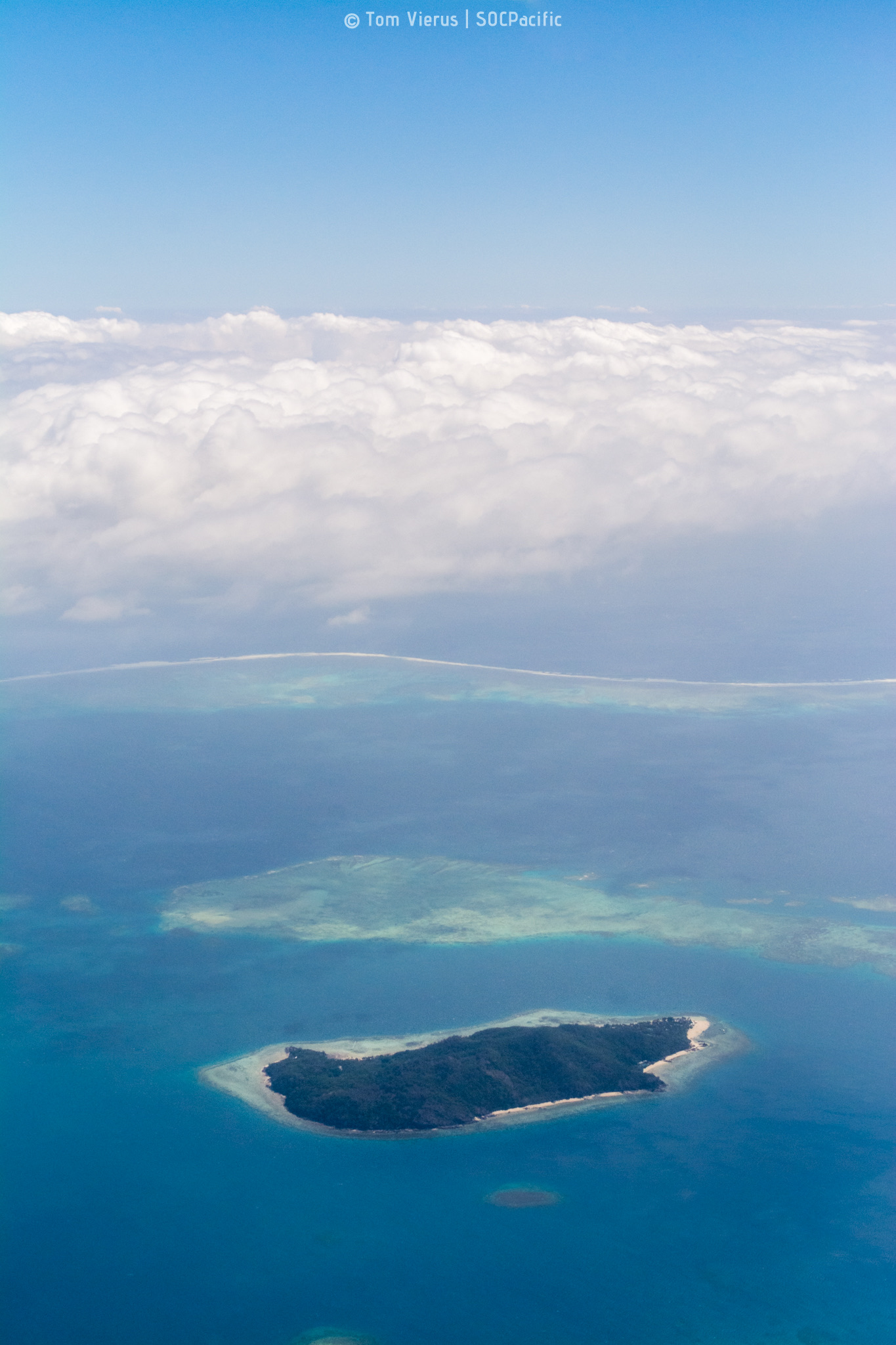
Positioned within this special issue's vision of sustainable futures rooted in island-specific values, archipelagic thinking, and the integration of local knowledge with inter- and transdisciplinary research, the paper takes up and discusses the concept of an island epistemology — ways of knowing that emerge from, and are shaped by, island-human-ocean relations — as its analytical lens. This epistemological orientation draws on traditions of island studies scholarship that emphasize fluidity over static boundaries, and connections over separations, while centering Indigenous and local knowledge systems as generative rather than residual (Pugh, 2013; Roberts and Stephens, 2017; Stratford et al., 2011).
2. Biocultural Diversity, Two-Eyed Seeing, and Archipelagic Thinking
2.1 Biocultural Diversity as Analytical Lens
The biocultural diversity framework has evolved from the Declaration of Belém (1988) — which first articulated the ‘inextricable link’ between cultural and biological diversity — through Maffi's foundational synthesis to contemporary marine applications (Maffi, 2001; Sterling et al., 2017; Thaman, 2004). In island contexts, this framework holds particular analytical power. Knowledge on islands has developed through ‘reading’ physical geography — constellations, winds, waves, ocean currents, topography, and vegetation — driven by geographic isolation and ubiquitous ocean proximity (Hau’ofa, 1994; Hong, 2023). Preceding this knowledge are the origin or creation stories that deeply root people and place to the ocean, the vanua (clan-based land-sea-unit), and all its inhabitants. And this continues to be especially true for the Pacific, where it is intrinsic that life developed from the ocean. In Hawaii, their creation story (kumulipo written by Queen Liliuokalani 1997) speaks of the first male and female created from primordial slime from which coral and marine life were the beginning. For Palau, life developed from the clam (Nero, 1992).
The relationship between cultural and biological diversity on islands is not one of mere co-location but of mutual reinforcement. Relationships between people and their totems dictate or demand reverence and care — to the point where people (especially elders) avoid consumption, and would ensure it is not disturbed. Subsequently, they would get upset if others from within or outside their community were infringing on and threatening the species and its population (cf. Firth 1931). Healthy ecosystems sustain cultural continuity, while rich cultural traditions and practices — which have always been dynamic — can provide adaptive (management) strategies that make marine biodiversity more resilient to change. Evidence from across the Pacific demonstrates this empirically, in studies examining the interrelationship between cultural diversity and marine biodiversity on Pacific Islands (Aini et al., 2023; Aswani and Lauer, 2006a; Harding et al., 2022; Kitolelei et al., 2021; McMillen et al., 2014).
The connection was found to strengthen in contexts characterized by:
- intact customary marine tenure with active enforcement (Aswani and Lauer, 2006a; Hylton et al., 2017),
- high resource dependence with 50–90% of dietary protein derived from marine sources (Aini et al., 2023; Harding et al., 2022),
- functional transmission of Indigenous and local ecological knowledge through gendered roles and elder-led institutions (Jones, 2009; Kitolelei et al., 2021; Kitolelei et al., 2022), and
- integration of cultural values into species targeting and spatial management (Harding et al., 2022; Leong et al., 2024).
Conversely, the relationship weakened where:
- customary systems had been replaced by state ownership (Malm, 1999, 2001),
- commercialization and ‘westernization’ eroded traditional authority and sharing networks (Harding et al., 2022; Hylton et al., 2017; Kitolelei et al., 2021),
- demographic shifts disrupted knowledge transmission (Aini et al., 2023; Álvarez-Varas et al., 2020; Kitolelei et al., 2021), or where
- conservation interventions were imposed without cultural integration (Tilot et al., 2022; Wencélius et al., 2022).
2.2 Two-Eyed Seeing (Etuaptmumk) and Knowledge Coexistence
The Two-Eyed Seeing framework — Etuaptmumk in Mi'kmaw, as envisaged by Elder Dr. Albert Marshall — offers a methodology for genuine knowledge coexistence: "learning to see from one eye with the strengths of Indigenous knowledges and ways of knowing, and from the other eye with the strengths of Western knowledges and ways of knowing, and [to] using both these eyes together, for the benefit of all" (Bartlett et al., 2012, p. 335). Crucially, Two-Eyed Seeing is distinguished by an explicit action imperative: knowledge transforms the holder, and the holder bears a responsibility to act on that knowledge (Reid et al., 2021).
Applied to marine stewardship, this framework moves beyond ‘integrating’ or ‘incorporating’ Indigenous knowledge into Western science (both social and natural) toward a more authentic and more meaningful co-production. Natalie Ban's body of work with Central Coast First Nations exemplifies this approach (Ban et al., 2013; Ban et al., 2019), braiding Indigenous governance systems and social considerations with conservation science to develop social-ecological approaches for marine planning that respect both knowledge systems on their own terms (Ban et al., 2013; Ban et al., 2019). This orientation is essential for the case studies that follow, where Indigenous knowledge is not supplementary data but a co-equal epistemological foundation.
2.3 Archipelagic Thinking and Island Epistemology
Archipelagic thinking, as elaborated by scholars including Benítez-Rojo (1996), Glissant (1997), and Stratford et al. (2011), conceptualizes space in ways that ‘denaturalize’ the conceptual basis of space and place (Stratford et al., 2011), emphasizing metamorphosis, adaptation, and transformation of material, cultural, and political practices through ‘island movements’ (Pugh, 2013). This thinking challenges continental, bounded-territory paradigms and foregrounds relationships, flows, and connections — between islands, between land and sea, between human and non-human kin (Roberts and Stephens, 2017; Stratford et al., 2011).
Building on these foundations, this paper seeks to contribute to the proposed island epistemology as a knowledge framework rooted in: (a) interdependence between human communities and marine ecosystems; (b) community resilience understood as simultaneously ecological and cultural; (c) the ocean as connector rather than barrier; and (d) knowledge as relational, place-based, and dynamic. The case studies that follow provide empirical grounding for each of these principles.
3. Case Studies: Cultural Practices as Marine Stewardship
This section presents a comparative analysis of case studies spanning the Pacific (in a first attempt), organized around the thesis that specific cultural practices function as effective marine stewardship systems with measurable ecological outcomes.
3.1 Reef Passages in New Caledonia: Biocultural Keystone Places
Reef passages — natural breaks in barrier and fringing reefs connecting lagoon and open ocean — function as ‘communication zones’ between coastal and oceanic spaces and species (Photo 2). Ecologically, they host multispecies fish spawning aggregations, facilitate tidal flushing and cooling, channel pelagic subsidies, and serve as biodiversity hotspots (Breckwoldt et al., 2022a, 2022b). Socio-culturally, they are fishing grounds, transport routes, and sites of deep spiritual meaning (Breckwoldt et al., 2022a).
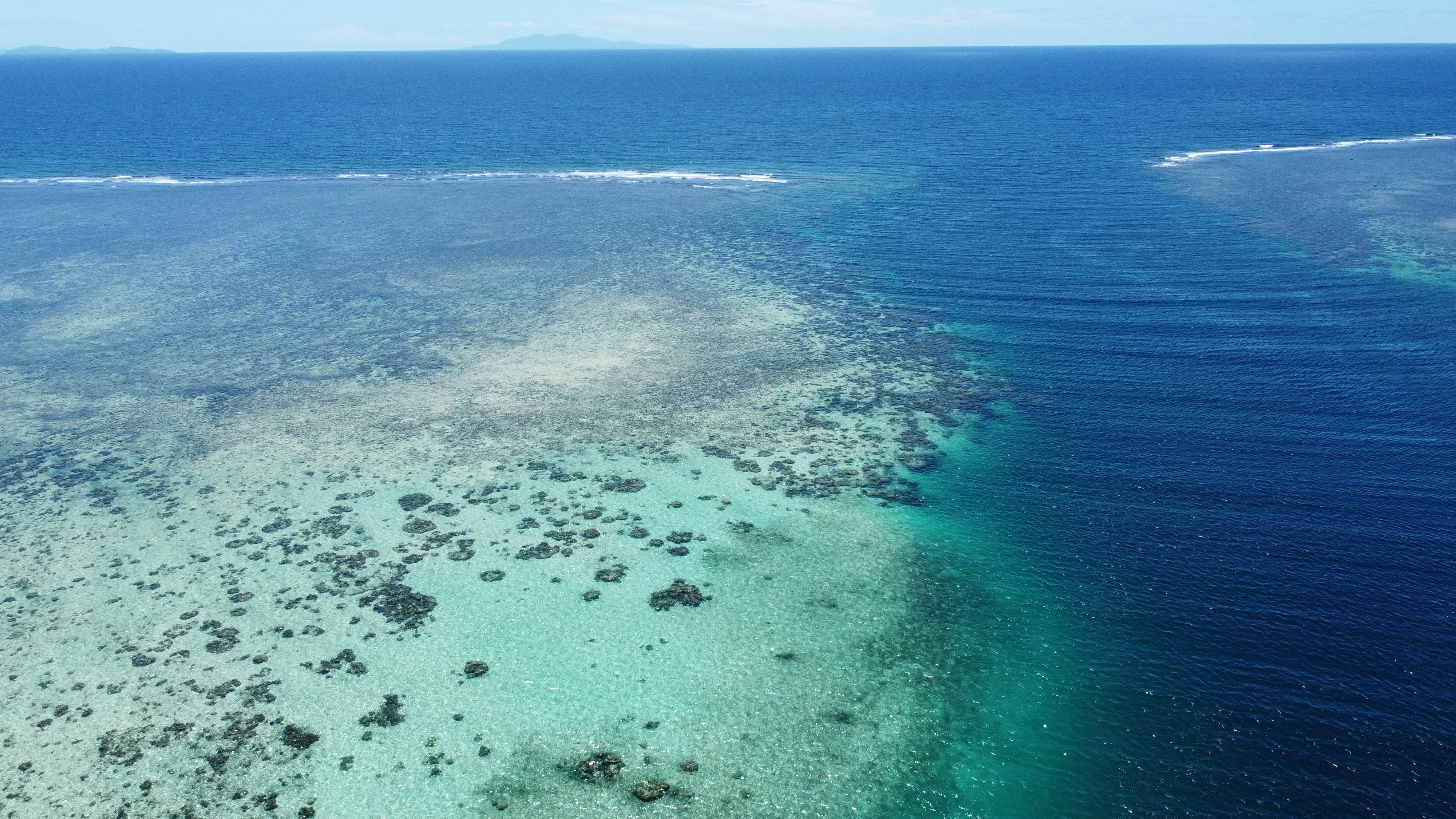
For the Kanak people of New Caledonia, reef passages mark the link between the visible and invisible worlds, between the living and the dead (Breckwoldt et al., 2022a) — inhabited by the spirits of the deceased, sacred, and "must not be disturbed but highly respected" (Breckwoldt et al., 2022a, p. 2406). Cultural narratives in which sharks embody and accompany the dead through reef passages illustrate the intimate entanglement of cosmology, ecology, and place. This dual significance makes reef passages what can be termed ‘biocultural keystone places’ — sites where ecological and cultural functions are so tightly coupled that the loss of one dimension necessarily degrades the other (Breckwoldt et al., 2022a).
While some reef passages have been culturally important for generations, others gained cultural importance through history, and significant events in passages. For example, the high chief of Totoya's wife gave birth to their son at the reef passage to Totoya where the child (a "Prince" — High Chief's son) died — stillborn. People would thereafter take off their hats, and adopt their comportment, out of respect when sailing through the passage (Jupiter et al., 2014). The ecological importance of reef passages supports an ‘umbrella-effect’ hypothesis (Breckwoldt et al., 2022b; Morán-López et al., 2020; Roberge and Angelstam, 2004): their explicit protection could benefit the recovery and overall health of coral reefs and local ecosystems, mitigate further loss of key species, and support complex food-webs and predator-prey interactions (and hence support food security for coastal residents). Yet a striking policy gap persists — so far, still no acknowledgement of reef passages exists in regional or interregional policies. Their cultural significance can therefore provide the political and social momentum needed for their ecological protection, illustrating precisely how biocultural approaches can generate care/stewardship outcomes that neither ecological science nor cultural advocacy could achieve alone (Breckwoldt et al., 2022a; Sterling et al., 2017).
3.2 Funerary Protected Areas in Fiji: When the Dead Protect the Sea
Ron Vave's (2022) research among indigenous Fijians identified five types of culturally protected water body (CPWB) practices (Vave, 2022): Conception, Meconium, Circumcision, Chiefly Investiture, and Funerary — each involving the designation of freshwater or marine areas as tabu forbidden (Vave, 2022). Funerary Protected Areas (FPAs) are particularly significant and frequently implemented upon the death of a chief or other clan members where a portion of the clan’s fishing ground is demarcated as closed to fishing and harvesting for approximately 100 nights or more until a ceremonial feast (Vave, 2022; Vave et al., 2024).
These temporary yet repeated closures allow aquatic species to recover; for chiefs, FPAs can stretch from shoreline to outermost reef patches and slopes (Vave, 2022). Communities also use tabu designations proactively when fish populations decline, demonstrating the adaptive capacity embedded within this cultural institution. Critically, it is highlighted that more than three decades of conservation organizations' efforts to help communities protect the environment were, in fact, contributing to cultural erosion by ignoring or displacing existing CPWBs when implementing externally designed conservation programs (Jupiter, 2017; Vave, 2022). This finding carries profound implications: biocultural approaches to marine conservation must recognize and build upon existing cultural stewardship rather than overwriting it with external frameworks (Vave, 2022).
The Fijian evidence finds broader support across the Pacific. In Fiji's Locally Managed Marine Area Network — encompassing at times over 400 sites — Indigenous and local knowledge combined with modern scientific understanding guided the establishment of no-take zones, management rules, and monitoring through both ecosystem health and community well-being indicators (Govan, 2009; Kitolelei et al., 2021; Techera, 2010; Veitayaki et al., 2014). The qoliqoli system controlled by clans or villages has more often than not created (and continues to do so) incentives for moderate harvesting to maintain reef yields, while temporary closures lasting 100 nights after a chief's death historically increased local fish populations sufficiently to ‘fill two boats’ (Golden et al., 2014; Photo 3).
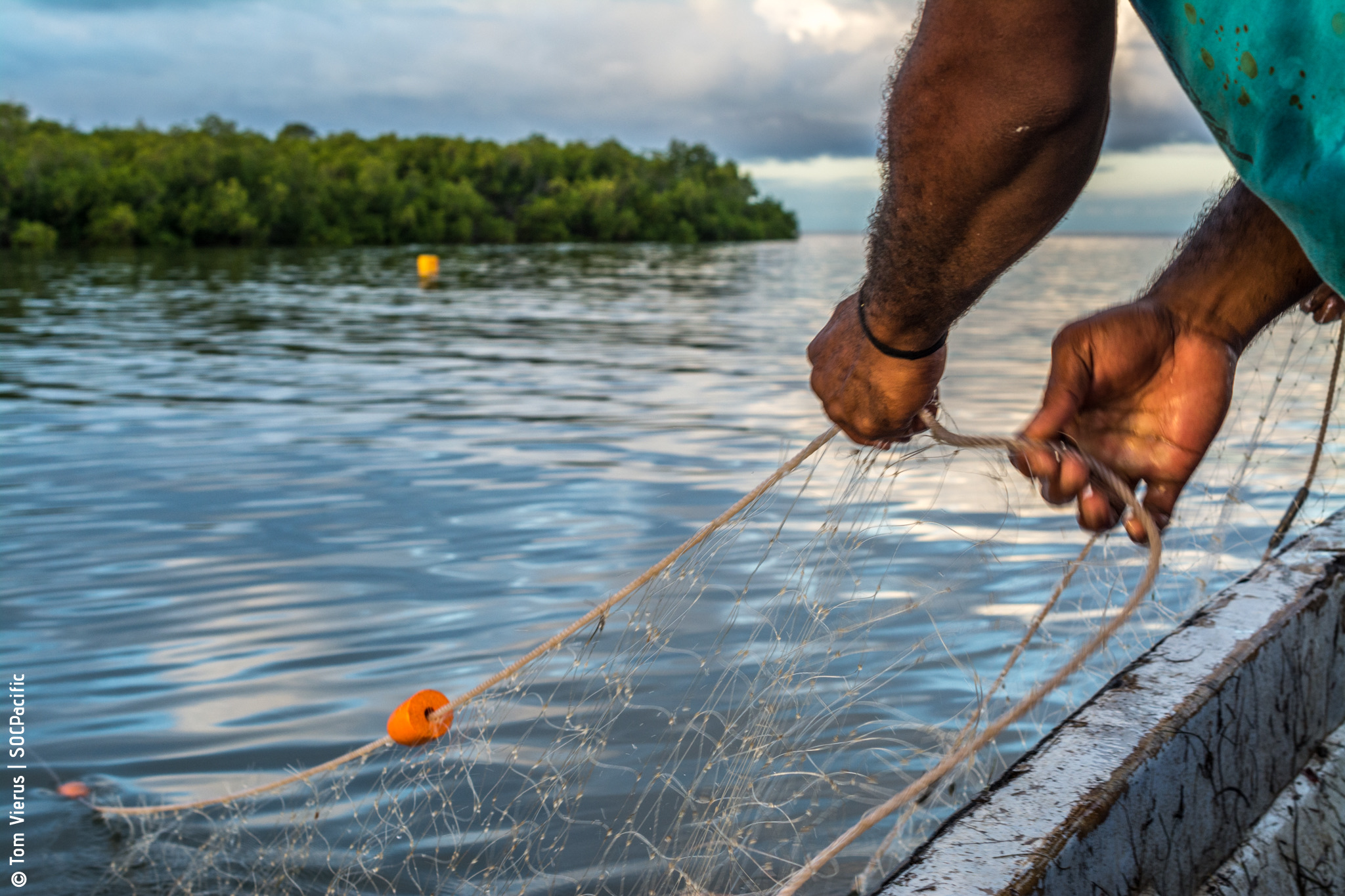
3.3 Coast Salish Clam Gardens: Ancient Mariculture Resurgent
Clam gardens represent highly sophisticated Indigenous mariculture (Augustine and Dearden, 2014; Augustine, 2025): rock-walled intertidal terraces constructed by Coast Salish and other Pacific Northwest Nations along islands and coasts of the area (e.g., around Vancouver Island) to enhance clam productivity, dated to at least 3,500 years ago and described by knowledge holders as ‘living beaches’ maintained since the ‘beginning of time’ (Augustine, 2025). Archaeological evidence spanning 11,500 years of human-clam relationships demonstrates the long-term context for this form of intertidal management (Toniello et al., 2019).
Skye Augustine's restoration work (2025) — conducted with hul'q'umi'num' and W̱SÁNEĆ leaders in partnership with Parks Canada — revealed that untended ‘legacy’ gardens held 12 times more native clams than non-walled beaches (Augustine, 2025). After 3–4 years of active restoration through wall rebuilding and ancestral beach-tending practices, walls trapped the seed, doubling juvenile clams (Augustine, 2025). Clam gardens functioned as multi-species food systems producing 35 unique foods, with seasonal availability mirroring hul'q'umi'num' harvesting rounds — revealing the resilience of ancestral sea garden management (Augustine, 2025).
Augustine's framing of this work as social-ecological resurgence carries significance beyond the local: "knowledge interpreted with mind, heart, and spirit can generate wisdom — and [how this] can foster transformations from individuals to networks, influencing change at regional, national, and international scales" (Augustine, 2025, p. iii). Clam gardens can thus exemplify a values-based paradigm shift in marine conservation — moving from ecological-integrity-only mandates to approaches recognizing active Indigenous and local management as compatible with, and beneficial to, conservation outcomes (Augustine and Dearden, 2014).
3.4 First Salmon Ceremonies: Reciprocity as Marine Management
The First Salmon Ceremony, practiced by Indigenous peoples across the Pacific Northwest — Chinook, Clatsop-Nehalem, Yakama, Wishram, and many others — embodies a multi-tribal, multi-form ceremony with common core elements (Bradford et al., 2025; Cullon, 2017). A designated fisher undergoes purification; the first salmon is caught, carefully prepared, cooked, and distributed/shared; the head is pointed upriver to show ‘the salmon's spirit’ the way home; bones are cleaned and returned to the river by a diver, where the salmon is believed to reconstitute itself[1].
The underlying belief system holds that salmon are immortal beings who take human form in the ocean and are sent upriver by the ‘salmon king’ as a gift; proper ceremony ensures they will continue to return (Bradford et al., 2025). Rules such as never taking the first or last salmon of the run embody a practical understanding that sources of food are not infinite (Bradford et al., 2025), displaying the ceremony as a mechanism for encoding and transmitting sustainable harvest norms across generations (Bradford et al., 2025; Cullon, 2017). This is not ‘mere ritual’ yet rather a sophisticated management system: the reciprocal obligation to care for salmon operates as a social institution enforcing responsible harvest and habitat stewardship (Cullon, 2017). First Salmon ceremonies continue in modern Indigenous communities, demonstrating cultural persistence alongside ecological relevance and local responsibility and authority (Bradford et al., 2025).
3.5 Additional Comparative Examples (Table 1)
The following table situates these detailed case studies within a broader landscape of culturally embedded marine management/stewardship practices in the region:
| Practice | Region | Cultural Mechanism | Ecological Function |
|---|---|---|---|
| Kapu system | Hawai'i | Sacred prohibitions on fishing in specific zones/seasons | Seasonal closures allow marine populations to recover (Delevaux et al., 2018; Leong et al., 2024) |
| Ra'ui | Cook Islands | Temporary closures by chiefly authority | Community-driven recovery periods for reef resources, with significantly higher coral species diversity (Chambers, 2008; Hoffmann, 2002) |
| Tabu/bul | Fiji/Micronesia | Community-designated no-take areas; socio-cultural anchor | Habitat and species regeneration (Cunningham et al., 2023; Foale et al., 2011; Kitolelei et al., 2021) |
| Locally Managed Marine Areas (LMMAs) | Pacific-wide | Community-based adaptive management blending traditional and modern science and management approaches | Over 600 sites across Indo-Pacific demonstrating sustained conservation outcomes (Govan, 2009) |
4. How Cultural Diversity Sustains Marine Biodiversity (and vice versa)
4.1 Mechanisms of Biocultural Co-Constitution
Drawing across the case studies and adding a tentative systematic evidence base of other studies from the South Pacific, five key mechanisms emerge through which cultural diversity sustains marine biodiversity (Fig. 1):
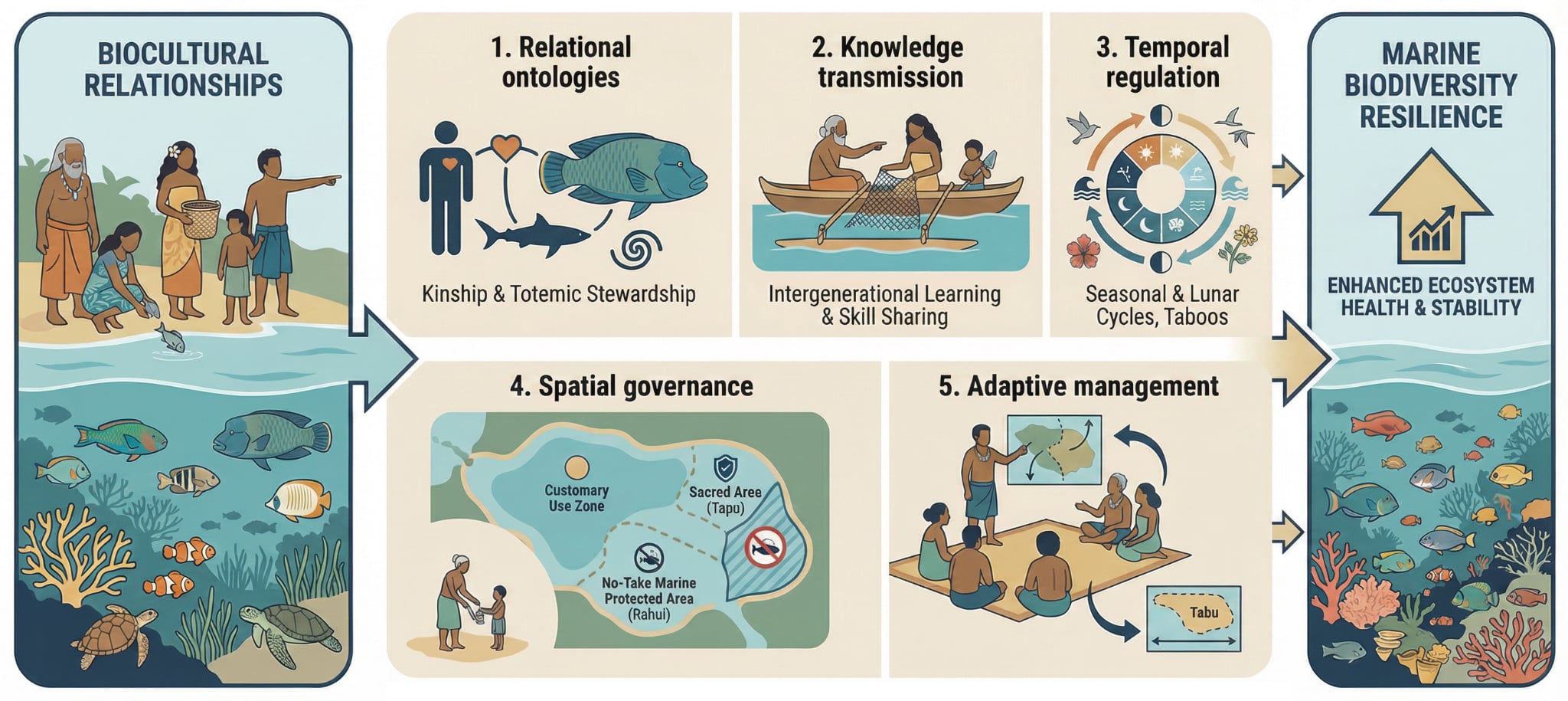
- Relational ontologies. Indigenous worldviews understand humans and marine species as kin or co-constitutive: Kanak reef passage cosmology, First Salmon reciprocity, Fijian totem species, can (without romanticizing) create customary obligations toward stewardship that are deeper and more enduring than utilitarian management rationales. In Kadavu, Fiji, species identified as totem fish of the village (ika ni masi) and chiefly fish (ika va turaga) symbolize custodianship, with 36% of totem identifications concentrated on trevally alone, creating strong coupling between the species' abundance and cultural continuity (cf. 4.2; Harding et al., 2022).
- Knowledge transmission. Oral traditions/transmission, ceremonies, and intergenerational learning ensure the persistence and adaptation of ecological knowledge about species, habitats, and ecosystem dynamics. In the Lau Group (Fiji), women of the ‘sea people’ serve as custodians of traditional marine ecological knowledge, coordinating inshore expeditions and transmitting knowledge to younger generations through direct practice (Jones, 2009; Kitolelei et al., 2022).
- Temporal regulation. Cultural calendars, ceremonial cycles, and tabu periods function as adaptive seasonal closures that align with ecological rhythms of spawning, migration, and recovery. Pacific communities developed lunar, solar, and tidal calendars tied to plant phenology, seabird behavior, and weather cues to time fishing activities, embedding stewardship principles that limit impacts (Hoffmann, 2002; Kitolelei et al., 2021).
- Spatial governance. Customary marine tenure, sacred sites, and culturally designated protection zones create de facto marine protected areas — often predating formal (and intended) conservation by millennia. In the Roviana Lagoon, Solomon Islands, the seascape is culturally partitioned into named biophysical areas (sagauru), fishing grounds (habuhabuana), and floating sites (alealeana), creating nested layers of ecological and cultural significance (Aswani and Lauer, 2006a, 2006b; Hviding, 2006). Indigenous spatial knowledge showed 75–85% equivalence with scientific dive surveys for benthos identification, and 77–92% accuracy for fish presence/absence predictions (Aswani and Lauer, 2006a, 2006b).
- Adaptive management. Cultural practices are dynamic, not static, always have been and always will be; communities adjust tabu areas, modify harvest rules, and respond to environmental change through socio-culturally embedded decision-making. In Anaa Atoll, French Polynesia, the combination of fisheries research, youth education, and cultural revival of ra'ui increased the Spawning Potential Ratio of the bonefish stock following reinitiation of customary closures (Filous et al. 2021).
4.2 The Reverse Direction: Marine Biodiversity Sustaining Cultural Diversity
The relationship is fundamentally bidirectional. Healthy marine ecosystems provide the material basis for cultural practices: species for ceremonies, resources for livelihoods, places for spiritual engagement. In Papahānaumokuākea, management operates on the principle that "nature and culture are one" (Kikiloi et al., 2017, p. 444) with all natural resources treated as cultural resources, and cultural connections such as wayfinding, subsistence gathering, and ceremonies depending on ecosystem integrity (Kikiloi et al., 2017).
Across these Pacific examples, loss of marine biodiversity directly threatens cultural continuity. When key species decline or habitats degrade, ceremonies cannot be performed, knowledge becomes disconnected from practice, and cultural identity erodes. In New Ireland, Papua New Guinea, where most residents obtain 50–90% of dietary protein from marine species, the dependence embeds reefs and species so deeply in daily subsistence and social life that ecological degradation and cultural erosion become inseparable processes (Aini et al., 2023). Cultural keystone species — functioning as totems, chiefly foods, or ceremonial resources — create particularly strong coupling between biodiversity status and cultural continuity, meaning that changes in these species' abundance have cascading effects on cultural practices, social cohesion, and management legitimacy (Álvarez-Varas et al., 2020; Harding et al., 2022).
This bidirectional relationship means that threats to either cultural diversity or marine biodiversity constitute threats to both — a ‘biocultural’ crisis that demands integrated responses. A persisting blindness to this co-constitution, e.g., via the documented lack of an integrated framework for jointly assessing cultural and marine diversity in island contexts, represents both a research gap as well as a to date missed governance improvement (Barianaki et al., 2024).
5. Contributing to an Island Epistemology for Marine Stewardship
5.1 Defining Island Epistemology
Building on the conceptual framework and the evidence from case studies, the following principles may constitute a ‘marine framework’ for the suggested island epistemology — as ways of knowing and governing rooted in island-ocean realities that can inform more effective, equitable marine stewardship globally:
- Interdependence over independence. Human communities, marine ecosystems, and cultural systems are inseparable — management and safeguarding of one necessarily involves the others (McMillen et al., 2014; Sterling et al., 2017).
- Relational knowledge. Knowledge is place-based, embodied, and relational — generated through sustained engagement with specific marine places and species, transmitted through stories, ceremonies, and practices (Leong et al., 2024; Kitolelei et al., 2021).
- Archipelagic connectivity. Following Hau'ofa's ‘sea of islands’ reframing, marine spaces are understood as connectors rather than barriers increasing distance, and governance as networked rather than bounded (Hau’ofa, 1994).
- Dynamic tradition. Cultural practices and knowledge systems are inherently adaptive and evolving — not frozen artifacts but living systems that respond to environmental and social change (Foale et al., 2011; McMillen et al., 2014).
- Knowledge coexistence (Two-Eyed Seeing). Western scientific and Indigenous knowledge systems are brought together not through assimilation but through respectful co-production ‘for the benefit of all’ (Reid et al., 2021).
- Community resilience as biocultural resilience. Resilience is simultaneously ecological and cultural — a human community's capacity to adapt depends on both its environmental health and its cultural vitality (McMillen et al., 2014; Sterling et al., 2017).
5.2 Operationalizing an Island Epistemology: Methodological Implications
Translating the suggested island epistemology into ‘marine practice’ requires methodological commitments. Co-design and co-production approaches — research with, not on, island communities — are exemplified by the SOCPacific2R project's relations and exchanges with fishers (both women and men, young and old), divers, surfers, teachers, and other local knowledge holders in New Caledonia and Fiji. This means combating ‘parachute science’ and resisting its logistical temptations, through equitable research practices: seeing it quickly, pointing it out where it happens, and preventing it through co-design, co-production and reframed capacity development (de Vos, 2022).
Methodologically, such an island epistemology can integrate cutting-edge scientific tools — eDNA, participatory biodiversity monitoring, GIS-based reef passage typologies — with qualitative and ethnographic methods grounded in local knowledge. The Roviana Lagoon project also demonstrated this integration by converting Indigenous knowledge and social-ecological behavior into geospatial data, producing scientifically reliable resource maps while enhancing local participation and culturally appropriate marine protected area design (Aswani and Lauer, 2006a, 2006b). Citizen science and locally driven technology platforms (via GlobalFishingWatch, SeaSketch, or other mobile monitoring tools) can further empower island communities as knowledge producers and holders rather than knowledge ‘subjects’.
The Isabel Province, Solomon Islands, experience offers a model: a cultural landscape approach required conservation planning to capture 100% of kastom (ancestral) site targets alongside natural resource conservation goals, generating much stronger community support for biodiversity objectives by co-opting community values and giving communities ownership over cultural heritage management (Walter and Hamilton, 2014). Stakeholders unanimously prioritized cultural heritage sites at 100% conservation importance — far above any other ecosystem resource category (Walter and Hamilton, 2014).
6. Looking Forward: The 2026 World Island Exhibition and Beyond
6.1 The Transformative Potential of Mega-Events
The 2026 World Island Exhibition in Yeosu, South Korea presents an opportunity to reshape global narratives about islands: from marginalized sites of vulnerability and dependency to sources of innovation for regional and planetary sustainability. The Island Exhibition can function as a platform for showcasing biocultural innovation — interactive exhibits, digital storytelling, virtual-reality tours of locally managed and safeguarded marine areas, and case studies of community-led restoration. And as such, it can create policy dialogue opportunities around the legal recognition of customary ‘sea spaces’, with an integration of cultural values into international biodiversity frameworks such as the Kunming-Montreal Global Biodiversity Framework and SDG 14, and commitments to biocultural diversity protection (Sterling et al., 2017; Tessnow-von Wysocki and Vadrot, 2020).
6.2 A Research and Action Agenda
Six priorities emerge from this synthesis:
- Document, make visible, and support the articulation of biocultural relationships, and protect biocultural keystone places (e.g., reef passages) through integrated policies recognizing both their cultural and ecological significance (Breckwoldt et al., 2022a, 2022b).
- Recognize existing cultural conservation systems — FPAs, kapu, ra'ui, LMMAs — in (existing or new) formal governance frameworks, ensuring they complement rather than displace Indigenous stewardship (Hoffmann, 2002; Vave, 2022).
- Invest in youth-led biocultural stewardship, creating strong enabling environments where youth-led forums and projects covering both academic and beyond-academic knowledge can lead to a healthy and meaningful blending of heritage and resilience thinking (Filous et al., 2021).
- Scale knowledge co-production by expanding Two-Eyed Seeing and equivalent frameworks across island contexts, supporting equitable partnerships between communities, scientists, and policymakers (Bartlett et al., 2012; Reid et al., 2021).
- Develop biocultural indicators — both context-specific and generalizable measures for monitoring the co-health of cultural diversity and marine biodiversity, particularly for traditional and local livelihoods, marine stewardship, and food sovereignty (Sterling et al., 2017).
- Address the research gap identified by the author’s first review: the absence of integrated frameworks for jointly assessing cultural and marine diversity from an island studies perspective demands dedicated interdisciplinary research bridging biodiversity science, cultural analysis, and island studies.
6.3 Closing Reflection
The story of island sustainability is inseparable from both cultural and marine diversity. The evidence assembled here demonstrates that the relationship between cultural diversity and marine biodiversity is not coincidental but co-constitutive. Honoring and scaling these interconnections offers a path toward the ambitions of global summits such as the World Island Expo. An island epistemology — grounded in millennia of biocultural practice and energized by contemporary collaborative science — offers not merely a framework for island sustainability but a model for rethinking humanity's relationship with the oceans worldwide.
Endnotes
7. References
- Aini, J., West, P., Amepou, Y., Piskaut, M.L., Gasot, C., James, R.S., Steadman Roberts, J., Nason, P., Brachey, A.E. 2023. Reimagining conservation practice: Indigenous self-determination and collaboration in Papua New Guinea. Oryx, 57(3): 350–359. https://doi.org/10.1017/S003060532200103X
- Álvarez-Varas, R., Barrios-Garrido, H., Skamiotis-Gómez, I., Petitpas, R. 2020. Cultural role of sea turtles on Rapa Nui (Easter Island): Spatial and temporal contrast in the Pacific Island region. Island Studies Journal, 15(1): 253–270. https://doi.org/10.24043/isj.111
- Aswani, S., Lauer, M. 2006a. Incorporating fishermen’s local knowledge and behavior into geographical information systems (GIS) for designing marine protected areas in Oceania. Human Organization, 65(1): 81–102. https://doi.org/10.17730/humo.65.1.4y2q0vhe4l30n0uj
- Aswani, S., Lauer, M. 2006b. Benthic mapping using local aerial photo interpretation and resident taxa inventories for designing marine protected areas. Environmental Conservation, 33(3): 263–273. https://doi.org/10.1017/S0376892906003183
- Augustine, S. 2025. Bringing our beaches to life again: The resurgence of Coast Salish clam gardening. PhD thesis (166 pp.), Simon Fraser University.
- Augustine, S., Dearden, P. 2014. Changing paradigms in marine and coastal conservation: A case study of clam gardens in the Southern Gulf Islands, Canada. The Canadian Geographer, 58(3): 305–314. https://doi.org/10.1111/cag.12084
- Ban, N.C., Mills, M., Tam, J., Hicks, C.C., Klain, S., Stoeckl, N., Bottrill, M.C., Levine, J., Pressey, R.L., Satterfield, T., Chan, K.M. 2013. A social–ecological approach to conservation planning: embedding social considerations. Frontiers in Ecology and the Environment, 11: 194-202. https://doi.org/10.1890/110205
- Ban, N.C., Wilson, E., Neasloss, D. 2019. Strong historical and ongoing indigenous marine governance in the northeast Pacific Ocean: A case study of the Kitasoo/Xai’xais First Nation. Ecology and Society, 24(4): 10. https://doi.org/10.5751/ES-11091-240410
- Barianaki, E., Kyvelou, S.S., Ierapetritis, D.G. 2024. How to Incorporate Cultural Values and Heritage in Maritime Spatial Planning: A Systematic Review. Heritage, 7(1): 380-411. https://doi.org/10.3390/heritage7010019
- Bartlett, C., Marshall, M., Marshall, A. 2012. Two-Eyed Seeing and other lessons learned within a co-learning journey of bringing together Indigenous and mainstream knowledges and ways of knowing. Journal of Environmental Studies and Sciences, 2: 331–340. https://doi.org/10.1007/s13412-012-0086-8
- Benítez-Rojo, A. 1996. The Repeating Island: The Caribbean and the Postmodern Perspective (2nd ed., 369 pp.). Duke University Press. https://doi.org/10.2307/j.ctv11319qv
- Breckwoldt, A., Dombal, Y., Sabinot, C., Gilbert, D., Riera, L., Ferse, S., Fache, E. 2022a. A social-ecological engagement with reef passages in New Caledonia. Ambio, 51: 2401–2413. https://doi.org/10.1007/s13280-022-01762-8
- Breckwoldt, A., Nozik, A., Moosdorf, N., Bierwirth, J., Fache, E., Ferse, S., Ford, A., Mangubhai, S., Pelletier, D., Piovano, S. 2022b. A typology for reef passages. Frontiers in Marine Science, 9: 786125. https://doi.org/10.3389/fmars.2022.786125
- Bradford, K., Wilson, K.B., Hodgson, E., Moore, J.W., Reid, A., Salomon, A., Van Der Minne, C., Armstrong, J., Alex, K., Benson, R., Dick, J., Nicholas, G. 2025. Indigenous stream caretaking for Pacific salmon: Ancestral lifeways to guide restoration, relationships, rights, and responsibilities. FACETS, 10: 1–20. https://doi.org/10.1139/facets-2025-0042
- Chambers, C.N.L. 2008. Bounding the lagoon: Spatialising practices and the politics of rahui, Tongareva, Cook Islands. PhD thesis (267 pp.), University of Edinburgh.
- Cinner, J.E., Marnane, M.J., McClanahan, T.R., Clark, T.H., Ben, J. 2005. Trade, Tenure, and Tradition: Influence of Sociocultural Factors on Resource Use in Melanesia. Conservation Biology, 19: 1469-1477. https://doi.org/10.1111/j.1523-1739.2005.004307.x
- Cullon, D.S. 2017. Dancing Salmon: Human–fish Relationships on the Northwest Coast. PhD thesis (398 pp.), University of Victoria.
- Cunningham, S.K., Murillo, K., Chan, K., Lamb, J.B. 2023. Managing Marine Seascapes through Community-based Conservation. Lessons in Conservation, 13: 15-37. https://doi.org/10.5531/cbc.linc.13.1.2
- Declaration of Belém. 1988. International Society of Ethnobiology. https://www.ethnobiology.net/what-we-do/core-programs/global-coalition-2/declaration-of-belem/
- Delevaux, J.M.S., Winter, K.B., Jupiter, S.D., Blaich-Vaughan, M., Stamoulis, K.A., Bremer, L.L., Burnett, K., Garrod, P., Troller, J.L., Ticktin, T. 2018. Linking Land and Sea through Collaborative Research to Inform Contemporary applications of Traditional Resource Management in Hawai‘i. Sustainability, 10(9): 3147. https://doi.org/10.3390/su10093147
- de Vos, A. 2022. Stowing parachutes, strengthening science. Conservation Science and Practice, 4(5): e12709. https://doi.org/10.1111/csp2.12709
- del Valle, E., Hayes, P.W., Martínez-Candelas, I., Brown, P., McClenachan, L. 2025. Systematic review of global historical marine ecology reveals geographical and taxonomic research gaps and biases. Philosophical Transactions of the Royal Society B, 380(1930): 20240279. https://doi.org/10.1098/rstb.2024.0279
- Filous, A., Lennox, R.J., Beaury, J.P., Bagnis, H., Mchugh, M., Friedlander, A.M., Clua, E.E.G., Cooke, S.J., Fuller, T.K., Danylchuk, A.J. 2021. Fisheries science and marine education catalyze the renaissance of traditional management (rahui) to improve an artisanal fishery in French Polynesia. Marine Policy, 123: 104291. https://doi.org/10.1016/j.marpol.2020.104291
- Firth, R. 1931. Totemism in Polynesia. Oceania, 1: 377-398. https://doi.org/10.1002/j.1834-4461.1931.tb00013.x
- Foale, S., Cohen, P., Januchowski-Hartley, S., Wenger, A. and Macintyre, M. 2011. Tenure and taboos: origins and implications for fisheries in the Pacific. Fish and Fisheries, 12(4): 357-369. https://doi.org/10.1111/j.1467-2979.2010.00395.x
- Furusawa, T. 2016. Biocultural Diversity in Melanesia. In: T. Furusawa (Ed.), Living with Biodiversity in an Island Ecosystem (pp. 1–14). Springer.
- Glissant, É. 1997. Poetics of Relation. University of Michigan Press (252 pp.).
- Golden, A.S., Naisilisili, W., Ligairi, I., Drew, J.A. 2014. Combining Natural History Collections with Fisher Knowledge for Community-based Conservation in Fiji. PLOS ONE, 9(5): e98036. https://doi.org/10.1371/journal.pone.0098036
- Govan, H. 2009. Achieving the potential of locally managed marine areas in the South Pacific. SPC Traditional Marine Resource Management and Knowledge Information Bulletin, 25: 16–25.
- Harding, S., Marama, K., Breckwoldt, A., Matairakula, U., Fache, E. 2022. Marine resources and their value in Kadavu, Fiji. Ambio, 51: 2414–2430. https://doi.org/10.1007/s13280-022-01794-0
- Hau‘ofa, E. 1994. Our Sea of Islands. The Contemporary Pacific, 6(1): 148–161.
- Hoffmann, T.C. 2002. The reimplementation of the Ra‘ui: Coral reef management in Rarotonga, Cook Islands. Coastal Management, 30(4): 401–418. https://doi.org/10.1080/089207502900282
- Hong, S.-K. 2023. Biocultural diversity and islandness: On human-geographical changes caused by socioeconomic influence. Journal of Marine and Island Cultures, 12(3): 1-13. https://doi.org/10.21463/jmic.2023.12.3.01
- Hviding, E. 2006. Connaître et gérer la biodiversité dans les îles du Pacifique: Problèmes posés par la préservation du lagon de Marovo. Revue internationale des sciences sociales, 187: 73–90. https://doi.org/10.3917/riss.187.0073
- Hylton, S.N., White, W.T., Chin, A. 2017. The sharks and rays of the Solomon Islands: A synthesis of their biological diversity, values and conservation status. Pacific Conservation Biology, 23(4): 324–334. https://doi.org/10.1071/PC17012
- Johnson, S.M., Reyuw, B.M., Yalon, A., McLean, M., Houk, P. 2020. Contextualizing the social-ecological outcomes of coral reef fisheries management. Biological Conservation, 241: 108288. https://doi.org/10.1016/j.biocon.2019.108288
- Jones, S.R. 2009. A Long-Term Perspective on Biodiversity and Marine Resource Exploitation in Fiji’s Lau Group. Pacific Science, 63(4): 617–648. https://doi.org/10.2984/049.063.0408
- Jupiter, S. 2017. Culture, kastom and conservation in Melanesia: What happens when worldviews collide? Pacific Conservation Biology, 23(2): 139–145. https://doi.org/10.1071/PC16031
- Jupiter, S.D., Cohen, P.J., Weeks, R., Tawake, A., Govan, H. 2014. Locally-managed marine areas: multiple objectives and diverse strategies. Pacific Conservation Biology, 20(2): 165–179. https://doi.org/http://dx.doi.org/10.1071/PC140165
- Kikiloi, K., Friedlander, A., Wilhelm, A., Lewis, N., Quiocho, K., ‘Āila, W., Kaho‘ohalahala, S. 2017. Papahānaumokuākea: Integrating culture in the design and management of one of the world’s largest marine protected areas. Coastal Management, 45(6): 436–451. https://doi.org/10.1080/08920753.2017.1373450
- Kitolelei, S., Thaman, R., Veitayaki, J., Breckwoldt, A., Piovano, S. 2021. Na Vuku Makawa ni Qoli: Indigenous fishing knowledge (IFK) in Fiji and the Pacific. Frontiers in Marine Science, 8: 684303. https://doi.org/10.3389/fmars.2021.684303
- Kitolelei, S., Breckwoldt, A., Kitolelei, J., Makhoul, N. 2022. Fisherwomen’s Indigenous and local knowledge — the hidden gems for the management of marine and freshwater resources in Fiji. Frontiers in Marine Science, 9: 991253. https://doi.org/10.3389/fmars.2022.991253
- Leong, K.M., Quiocho, K., Blacklow, A., Rosa, S., Kleiber, D., Winter, K.B., Long, K.S., Puniwai, N., Poe, M.R. 2024. Relational research to elevate cultural dimensions of marine organisms in Hawai‘i. Ecology and Society, 29(4): 30. https://doi.org/10.5751/ES-15573-290430
- Liliuokalani. 1997. The Kumulipo: an Hawaiian creation myth. Pueo Press. https://www.higp.hawaii.edu/~scott/GG104/Readings/Liliuokalani_1897.pdf
- Maffi, L. 2001. On Biocultural Diversity: Linking Language, Knowledge, and the Environment. Smithsonian Institution Press (600 pp.).
- Maffi, L. 2005. Linguistic, cultural, and biological diversity. Annual Review of Anthropology, 34: 599–617. https://doi.org/10.1146/annurev.anthro.34.081804.120437
- Malm, T. 1999. Shell Age Economics: Marine Gathering in the Kingdom of Tonga, Polynesia. Lund University Press (430 pp.).
- Malm, T. 2001. The tragedy of the commoners: The decline of the customary marine tenure system of Tonga. SPC Traditional Marine Resource Management and Knowledge Information Bulletin, 13: 3–13. https://www.spc.int/digitallibrary/get/yk2sd
- McMillen, H.L., Ticktin, T., Friedlander, A., Jupiter, S.D., Thaman, R., Campbell, J., Veitayaki, J., Giambelluca, T., Nihmei, S., Rupeni, E., Apis-Overhoff, L., Aalbersberg, W., Orcherton, D.F. 2014. Small islands, valuable insights: systems of customary resource use and resilience to climate change in the Pacific. Ecology and Society 19(4): 44. https://doi.org/10.5751/ES-06937-190444
- Metai, T. 2018. Through the Author's Eyes: Why are we succeeding and why aren't we succeeding in managing our own marine resources in the South Pacific region. UC San Diego: Center for Marine Biodiversity and Conservation. https://escholarship.org/uc/item/3177d5tz
- Morán‑López, R., Cortés Gañán, E., Uceda Tolosa, O., Sánchez Guzmán, J.M. 2020. The umbrella effect of Natura 2000 annex species spreads over multiple taxonomic groups, conservation attributes and organizational levels. Animal Conservation, 23(4): 407–419. https://doi.org/10.1111/acv.12551
- Nero, K.L. 1992. The breadfruit tree story: Mythological transformations in Palauan politics. Pacific Studies Journal, 15(4). Article 16. https://digitalcollections.byuh.edu/pacific-studies-journal/vol15/iss4/16
- Pugh, J. 2013. Island movements: Thinking with the archipelago. Island Studies Journal, 8(1): 9–24. https://doi.org/10.24043/isj.273
- Reid, A.J., Eckert, L.E., Lane, J.F., Young, N., Hinch, S.G., Darimont, C.T., Cooke, S.J., Ban, N.C., Marshall, A. 2021. “Two-Eyed Seeing”: An Indigenous framework to transform fisheries research and management. Fish and Fisheries, 22(2): 243–261.
- Roberts, B.R., Stephens, M.A. (Eds.). 2017. Archipelagic American Studies. Duke University Press (520 pp.). https://doi.org/10.2307/j.ctv11sn0td
- Roberge, J.-M., Angelstam, P. 2004. Usefulness of the Umbrella Species Concept as a Conservation Tool. Conservation Biology, 18(1): 76–85. https://doi.org/10.1111/j.1523-1739.2004.00450.x
- Sterling, E.J., Filardi, C., Toomey, A. et al. 2017. Biocultural approaches to well-being and sustainability indicators across scales. Nature Ecology & Evolution, 1: 1798–1806. https://doi.org/10.1038/s41559-017-0349-6
- Stratford, E., Baldacchino, G., McMahon, E., Farbotko, C., Harwood, A. 2011. Envisioning the archipelago. Island Studies Journal, 6(2): 113–130. https://doi.org/10.24043/isj.253
- Techera, E.J. 2010. Customary law and community-based conservation of marine areas in Fiji. In: Managing Environmental Justice (pp. 143–164), Leiden, The Netherlands: Brill. https://doi.org/10.1163/9789042029385_010
- Tessnow‑von Wysocki, I., Vadrot, A.B.M. 2020. The Voice of Science on Marine Biodiversity Negotiations: A Systematic Literature Review. Frontiers in Marine Science, 7: 614282. https://doi.org/10.3389/fmars.2020.614282
- Thaman, R. 2004. Sustaining culture and biodiversity in Pacific Islands with local and indigenous knowledge. Pacific Ecologist, 7&8: 43-48. https://repository.usp.ac.fj/id/eprint/3127
- Tilot, V., Guilloux, B.G., Willaert, K., Mulalap, C.Y., Bambridge, T., Gaulme, F., Kacenelenbogen, E., Jeudy de Grissac, A., Navas, J.M., Dahl, A.L. 2022. Traditional and socio-ecological dimensions of seabed resource management and applicable legal frameworks in the Pacific Island States. In: Sharma, R. (eds) Perspectives on Deep-Sea Mining (pp. 613–659), Springer, Cham. https://doi.org/10.1007/978-3-030-87982-2_22
- Toniello, G., Lepofsky, D., Lertzman-Lepofsky, G., Salomon, A.K., Rowell, K. 2019. 11,500 y of human–clam relationships provide long-term context for intertidal management in the Salish Sea, British Columbia. Proceedings of the National Academy of Sciences of the USA, 116(44): 22106–22114. https://doi.org/10.1073/pnas.1905921116
- Vave, R. 2022. Five culturally protected water body practices in Fiji: Current status and contemporary displacement challenges. Ambio, 51: 1001–1013. https://doi.org/10.1007/s13280-021-01620-z
- Vave, R., Friedlander, A. M., Kittinger, J. N., & Ticktin, T. (2024). Cultural ecosystem services and the conservation challenges for an Indigenous people's aquatic protected area practice. Conservation Biology, 38(6), e14403. https://doi.org/10.1111/cobi.14403
- Veitayaki, J., Breckwoldt, A., Sigarua, T., Bulai, N., Rokomate, A. 2014. Living from the Sea: Culture and Marine Conservation in Fiji. Itaukei Trust Fund Board, Suva, Fiji (112 pp.). ISBN 978-982-9160-03-4.
- Walter, R.K., Hamilton, R.J. 2014. A cultural landscape approach to community-based conservation in Solomon Islands. Ecology and Society, 19(4): 41. https://doi.org/10.5751/ES-06646-190441
- Wencélius, J., Lauer, M., Bambridge, T. 2022. Crafting the success and failure of decentralized marine management. Ambio, 51: 2342–2357. https://doi.org/10.1007/s13280-022-01763-7