
Islandscape biocultural diversity and community participation
 10.21463/jmic.2026.15.1.04
Abstract
Natural and cultural forces have changed the environment and land use of islands over time, producing multifunctional landscapes and seascapes rich in biocultural values. Most of these are biocultural islandscapes, consisting of particularly fragile ecosystems and historical artifacts that require thoughtful consideration in their management, as well as solid cooperation between public governance and local communities — something that is still lacking in many areas. Within this framework, the article aims to elucidate the concept of islandscape, i.e. the landscape of an island, and its biocultural diversity as linked to people’s perceptions and participation, and to contribute to its analysis through novel methods. Past and current research on the concept of islandscape is reviewed, definitions on the topic are advanced, global and local practices are illustrated through literature and case studies. Among these, the participatory approach adopted in Sardinia, Italy, serves to frame the concept within a European–Mediterranean context, considering ecosystem and cultural services, as well as green–blue infrastructures. The proposed methodology is grounded in a biocultural perspective and integrates active local participation and shared outcomes. While applied in the Sardinian target areas, it has broader applicability, with appropriate caveats. Data and findings have been analysed, and islandscape perception by local communities has been described. As a result, it has been argued that biocultural, transdisciplinary and collaborative approaches for resilient island cultures that combine preservation and revitalization should be pursued in the future to preserve islandscape biocultural diversity.
Keywords
Islandscape and biocultural islandscapes, community participation, islandscape perception and analysis, biocultural diversity, green-blue infrastructures, Sardinian islandscapes
1. Introduction to islandscape
Landscape, seascape, islandscape
Islands have undergone landscape changes due to geophysical, climatic, biotic and anthropogenic influence. Natural forces have modified the shape of their land and coast, and vice versa, cultural forces have affected pristine natural landscapes and ecosystems. The result is a miscellanea of natural, seminatural and cultural landscapes, with a multitude of uses that have created multifunctional landscapes rich in natural and cultural heritage. An integrated approach is necessary to preserve this island heritage.
That islands embrace fragile ecosystems and endemic species is well known (Darwin, 1859; MacArthur and Wilson, 1967; Blondel, 2006; Vogiatzakis et al., 2008; Pungetti, 2017), as well as that they are a repository of cultural heritage with characteristic societies, folklore, artifacts, archaeology, architecture and land use (Evans, 1973; Evans, 1977; Rackham, 1986; Patton, 1996; Pungetti, 1996; Baldacchino, 2018). Consequently, in resembling a long-lasting coexistence of natural and human ecosystems, islands are rich in both biotic and cultural values.
The landscape of an island, called “islandscape”, combines land and sea to embrace the landscape and seascape of an island. Landscape is the visible interaction of abiotic, biotic and human processes developing on the earth surface over time, whose character is perceived by people (Makhzoumi and Pungetti, 1999; Council of Europe, 2000). The interaction of these processes on the coast, sea and adjacent waters forms the seascape (Pungetti, 2022). In some projects described later, e.g. ESLAND, Seascapes, eINS, seascape has meant to comprise a coastal landscape strip of around 20 km depth, equally divided by the coastal line into a terrestrial strip on the land, and a marine strip on the sea. Seascape here has been studied from a landscape perspective, limiting the studies to around 10 km distance from the coast to the sea thus excluding deep sea.
Islandscape studies
Islandscapes have been, and still are, intensely shaped by natural and human intervention. Mediterranean and European landscapes, specifically, have been strongly imprinted by humans and retain rich cultural heritage. However, apart from social, aesthetic, perceptual and experiential influences, they also show clearly the action of nature that has shaped them, well before humankind used them.
The wide variety of landforms and landscapes of an island, for example, lies in its geomorphological, lithological and pedological features, which form the abiotic stratum of the islandscape. The animal and vegetation features forming the biotic stratum have evolved during its long environmental history and under particular climatic conditions (Pungetti, 1999). This variability has been taken into account in the EC MEDALUS Project, Mediterranean Desertification and Land Use. From 1991 to 1996 two main groups worked in cooperation on the Sardinian case study of MEDALUS, one from Cagliari, in Sardinia, and one from Cambridge, in England. The former studied the characteristics of the soils and their vulnerability to erosion, closely connected with paedogenetic factors such as morphology, climate and land use (Aru et al., 1994). The second researched environmental history (Grove and Rackham, 2001) and landscape (Pungetti, 1996). The latter group concluded that the real threats to Mediterranean landscapes in the recent past and the immediate future are caused by climate change and especially by human impact, not only from coastal development and tourism, but also bulldozing, excessive irrigation and inland depopulation.
The English group joined later other scholars in an editorial project focused on Mediterranean Island Landscapes (MIL) with their similarities in biotic, ecological, physical and environmental characteristics, as well as differences in their past colonisation and current anthropogenic pressures. The studies have addressed natural and cultural factors that have shaped these islandscapes, describing past environmental and cultural changes with effects on biota, along with current human pressures that are now threatening island community sustainability (Vogiatzakis et al., 2008).
MIL has been instrumental for the setting of an EC Project, European Culture Expressed in Island Landscapes (ESLAND, 2011–13), with the vision to consider European island landscapes as part of our cultural heritage, including the unique identity and values they have for European people. The main goal achieved has been to improve consideration of cultural heritage in European islands. The evolution of European islandscapes and their present conditions has thus been described, in view of an interdisciplinary approach for a common discussion and agreed methodology on concepts, identity and classification. This did lead to mapping and e-tools for islandscape future development, which should be more culturally and sustainable oriented than at present (Pungetti, 2017).
The project has contributed to the implementation of European policies such as the Council of Europe European Landscape Convention, UNESCO World Heritage Convention, IUCN Biocultural Diversity Journey, EC Maritime Spatial Planning and Integrated Coastal Zone Management, and UNEP Mediterranean Action Plan. ESLAND, however, pointed out the need to deepen studies on related topics, among which seascape was the most urgent. Therefore, a large community of scholars worked together from 2018 on the Seascapes Project, to produce a first overview of the concept of seascape all around the northern hemisphere (Pungetti, 2022).
A composite debate on the topic emerged, with subjective views and perceptions leading to “One and Thousands Definitions of Seascape” (ibid.). Seascape in fact is not just an aesthetic or scenic view of the sea; it is also the intertwined bond between land and sea, nature and people, conservation and planning. For IUCN, for example, Protected Seascape (Category V) is a place where the interaction between people and nature over time has produced an area of ecological, biological, cultural and scenic value (Dudley, 2008), and this applies to islandscape too. Hence, the Seascapes Project has advanced methods for future seascape conservation, development and governance with a biocultural outlook, including case studies for practical application relevant to islandscapes.
2. Biocultural diversity and islandscape
Background: biocultural diversity
Earlier studies on biocultural diversity have shown the link between biological and cultural diversity, firstly with diversity in biology, culture and language, secondly with common threats to these, thirdly with approaches to revitalise this diversity, and fourthly with development of related aspects of human rights (Maffi, 2001; Maffi and Woodley, 2010). The latter has been also highlighted by a group of scholars working on “The Right to Landscape” initiative, linking landscape to human rights, where the former, with its tangible and intangible dimensions, overlaps with the latter to support both life, i.e. nature, and human dignity, i.e. culture (Egoz et al., 2011).
The Concept of biocultural diversity as defined by the Global Diversity Foundation “the total variety of the cultures and natural environments in the world”[1] recognises also how local ecological knowledge and practice can help communities to manage their resources. As several authors pointed out, biocultural diversity is indeed the dynamic result of the interaction between biodiversity, cultural diversity and traditional knowledge within the ecosystem sphere (Tsai, 2003; Hong et al., 2011; Gavin et al., 2015). However, for an island, the closer the balance between nature and culture and the interaction within the ecosystem is (Hong, 2023), the stronger the biocultural value of its landscapes.
Latest research on island biocultural diversity has indicated that Mediterranean islands can serve as an excellent model for the development of a methodology on the topic (Nazari et al, 2024). The Mediterranean Basin is in fact a hotspot for biological and cultural diversity, and this is particularly evident in its islands.
The sense of landscape and seascape
The link between nature and culture, widely addressed in past literature, has also been applied to the concept of heritage conservation, leading to the introduction of the category of cultural landscapes for the nomination of UNESCO World Heritage Sites (Rössler, 2006). The landscape scale, specifically, has been outlined in literature to explain the role of local, national and international designations in conserving biocultural diversity (Hay-Edie et al., 2011), as well as in the recognition of landscape form and function, and its symbolic associations between nature and culture (Cosgrove, 1998; Bell, 1999; Muir, 1999; Mitchell et al., 2009). This has been demonstrated also in Mediterranean islands (Makhzoumi and Pungetti, 1999; Vogiatzakis et al., 2008; Pungetti, 2017), where islandscapes rest between landscape and seascape, and are an expression of tangible and intangible natural and cultural heritage.
For UNESCO (2011), intangible cultural heritage maintains cultural diversity and promotes intercultural dialogue. It is made up of knowledge and skills transmitted from one generation to the next. It is traditional and contemporary at the same time, in addition to being inclusive, representative and community based. The debate then moved to biocultural heritage, as explained later (see Davidson-Hunt et al., 2012; Griffiths, 2024).
Islanders have a strong sense of their landscape and seascape because they comprise valuable habitats, which offer ecosystem and cultural services. Islandscapes are places of environmental, rural, tourist, industrial and urban development, which retain both natural and cultural character and heritage. Accordingly, islandscapes express a resilient sense of nature and culture and require, for this reason, a common holistic research approach, which considers their biocultural diversity.
Biocultural islandscape
Even though islandscapes are physically bounded due to their nature, their field of study disregard disciplinary boundaries. They address current global challenges due to the human interaction with ecosystems, which can cause species and biodiversity decline if land development, pollution and resources exploitation are particularly aggressive. Therefore, they require investigation from different angles able to encapsulate their entire essence. The biocultural diversity approach assists in this task, but it is not yet widely applied despite many islandscapes of Europe, especially in the Mediterranean, being excellent laboratories for the study of biocultural diversity (Nazari et al., 2024), as explained before. On this basis, the notion of biocultural islandscape diversity emerges.
A “biocultural islandscape” refers here to an area in which abiotic, biotic and human elements are interconnected through ecological and anthropological interactions within an island context, shaped jointly by natural processes and human activity, as perceived by people. Intrinsically, a biocultural islandscape is an expression of different local natural and social settings, with unique character and variety in its ecological and cultural aspects. This type of landscape or seascape, therefore, should be explored considering its intrinsic diversity.
3. Biocultural diversity and community
Local communities and biocultural conservation
Local communities have been crucial in biocultural conservation. Since the adoption of the UN (United Nations) CBD (Convention of Biological Diversity) at the Earth Summit in Brazil in 1992, it has been outlined the importance of considering the conservation of biological diversity in cooperation with the global community (Takahashi et al, 2023), also in the framework of biocultural heritage. The latter has supported the rights of indigenous peoples and local communities to control their own heritage in order to achieve sustainable livelihoods and self-determination (Davidson-Hunt et al., 2012), with biocultural design as an approach to support innovation within the framing of biocultural heritage, to include a plurality of knowledge for nature-based solutions.
In this context, the significance of biocultural heritage, cultural landscape and islandness assist to explain the strong attachment of island communities to their surrounding environments. Islandness provides a key lens for interpreting the distinctive nature of islandscapes, and accordingly their biocultural character. The debate on islandness, specifically, has recently shifted from a condition of physical isolation to a cultural, symbolic and political construct that shapes identities and relationships with the outside world (Baldacchino, 2018; Foley et al., 2023), for example on local perception of environmental risk and degradation, (Di Fazio et al., 2025) or on strategies development to adapt to climate change.
The generosity of islanders to share their cultural landscape with visitors has been pointed out by Griffiths (2024) to support integrated responsible biocultural tourism, and more than this, their living values. Community land, likewise, is often combined with a strong sense of place and custodianship (Marango et al., 2020).
Local people, moreover, are undeniably custodians of Traditional Ecological Knowledge (TEK). With their traditional practices of sustainable marine resources and land use, they help in providing cultural services and maintaining healthy territories and populations. Local knowledge, for example, can be used for managing natural resources, supporting resource rotation and ecosystem monitoring (Berkes et al., 2000), thus building capacity to handle environmental changes for long-term sustainability and resilient islandscapes.
Furthermore, instrumental values, such as the provision of fodder or firewood, are often the result of a careful adaptation to the uncertainty inherent to climatic conditions. Traditional land use systems have often been shaped by informal rules with the primary motivation to ensure equitable resource use and frequently involving taboos (Plieninger et al., 2023). As such, traditional biocultural systems are strongly driven by local knowledge and support both nature and human well-being. This is the reason why biocultural conservation requires the understanding of the construction values-rules-knowledge to pursue resilient island policies.
The sense of place
Local people have generally a strong sense of place, which increases through actions and demonstrates willingness to take part in islandscape conservation and development, as illustrated in the research review above, and in the Sardinian case study below.
It has been demonstrated how spiritual beliefs can support nature conservation through local practices and protected areas (Pungetti et al., 2012). Oral narratives, prayers and songs, for example, serve as living archives of ecological knowledge and cultural identity (Ankei and Ankei, 2023), outlining the bond between oral traditions, maritime symbolism and indigenous ecological knowledge for sustainable marine stewardship (Wahyuni et al, 2025).
As such, if local communities are recognised for their landscape custodianship, then they should participate in territorial governance. This is even more important in fragile environments and threatened cultures like islands, and therefore a participatory approach to future islandscapes has been advocated in recent studies, as shown below.
4. Participatory approach
Sardinia case study
Islandscapes can serve as a platform for the development of research methods and policy strategies about island biocultural diversity, including its perception, appreciation and governance. Sardinia is an ideal case study for this, since it is home to biocultural islandscapes with diverse and pristine marine and terrestrial plants and animals, interconnected to local knowledge and agro-silvo-pastoral activities.
Sardinia is the second biggest Mediterranean island after Sicily, and like the latter is an Autonomous Region of Italy, with legislative and other exclusive powers. In the middle of the Tyrrhenian Sea, its distance from the mainland has contributed during ages to keep a wide selection of endemic plants and animals (Camarda and Cossu, 1988; Santi et al., 2024), which linked with its geological past (Aru et al., 1991) compose characteristic biotic and abiotic landscape features (Vogiatzakis et al., 2008). On top of these lay the human features rich in history, encompassing Mediterranean cultures and land use activities by its native people with their cultural practices (Pungetti, 1996).
Yet, traditional land use, folk and linguistic practices, and medicinal plants, continue to be embedded in Sardinian daily life. Here, more than elsewhere, people are central to island culture and serve as custodians of their environment, society and landscapes. This is why Sardinia has been chosen as case study to illustrate islandscape biocultural diversity research and application, considering insularity from both island and islanders’ perspectives. A participatory approach, illustrated in the following sections, has been employed to address the Sardinian biocultural islandscape.
Glocal initiatives
Glocal initiatives, from global to local, on islands and biocultural diversity have been considered before setting up the research on the Sardinian study areas. The term glocal blends "global" and "local" describing strategies, products or visions that adapt global logic to local needs. It embodies the "think global, act local" approach, valuing local traditions and culture while operating in a broader market, in fact embodying the essence of glocalization.
Global organizations, while implementing top-down approaches required world-wide, are increasingly recognising the need to implement bottom-up approaches at local level in environmental conservation. Research has demonstrated how local biocultural values rooted in regional uniqueness and global policy imperatives have interacted to define environmental policies for biocultural diversity (Takahashi et al., 2023).
At global level, the resolution for “Strengthening Biocultural Diversity and Traditional Ecological Knowledge in Asia-Pacific Island Regions” adopted by the 5th World Conservation Congress in September 2012 as the IUCN Resolution 5.115 (Hong et al., 2014) is crucial for pointing out that marine ecosystems are under threatening changes due to climate, development and pollution on islands and coasts. A global island policy was thus proposed, based on biocultural diversity, with the twofold goal of conserving biodiversity, and ensuring sustainability of cultural resources in islands.
Inspired by the above, the Island Biocultural Diversity Initiative for the Mediterranean has been set up in 2024 to support the preservation of biocultural diversity, with Sardinia as its primary hotspot. The Initiative, coordinated by the Centre for Biocultural Landscape and Seascape (CBLS) through the cooperation of several international scholars, has been linked to some local activities among which is the Spoke 9 “Environment Protection and Valorization” of the e.INS project “Ecosystem For Innovation Next Generation Sardinia” by the European Commission fund “NextGenerationEU” of the Italian Ministry of Education and Research for 2023–26. The project aims at strengthening the link between economic actors and science, mitigate the social impacts generated by the pandemic, and increase territorial inclusion in Sardinia. Spoke 9, specifically, addresses innovative applied research, tackling the sustainable growth of local green small and medium-sized businesses, and dissemination of research results to academics and stakeholders.
Within Spoke 9, the Working Group “Biocultural Networks” of CBLS has focused on biocultural diversity, islandscapes and community participation. Among the Working Group activities, the research for biocultural islandscape diversity in Sardinia and its “Green-Blue Infrastructures” is illustrated in the following sections, with its related islandscape areas.
5. Green-blue infrastructures and biocultural islandscapes
Research setting
Green infrastructure (GI) is a term used by the European Commission (2013) to indicate a strategically planned network of natural and semi-natural areas, composed by environmental features planned to deliver ecosystem services in terrestrial environments. GI are also referred to as blue infrastructures (BI), with the difference that they deliver ecosystem services in aquatic spaces.
Ecosystem services comprise:
- provisioning services, e.g. food and water;
- regulating services, e.g. air quality regulation;
- cultural services, e.g. educational values and sense of place.
Since these services are supplied by nature to sustain life and contribute to human wellbeing (Lai et al., 2018), this link between nature and people widely supports biocultural diversity maintenance.
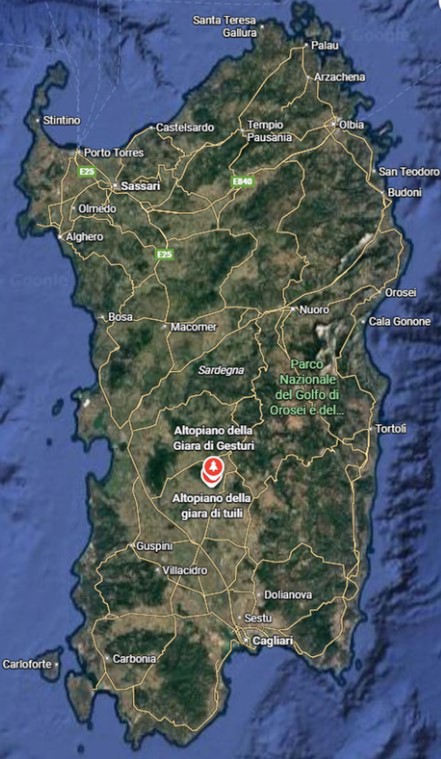
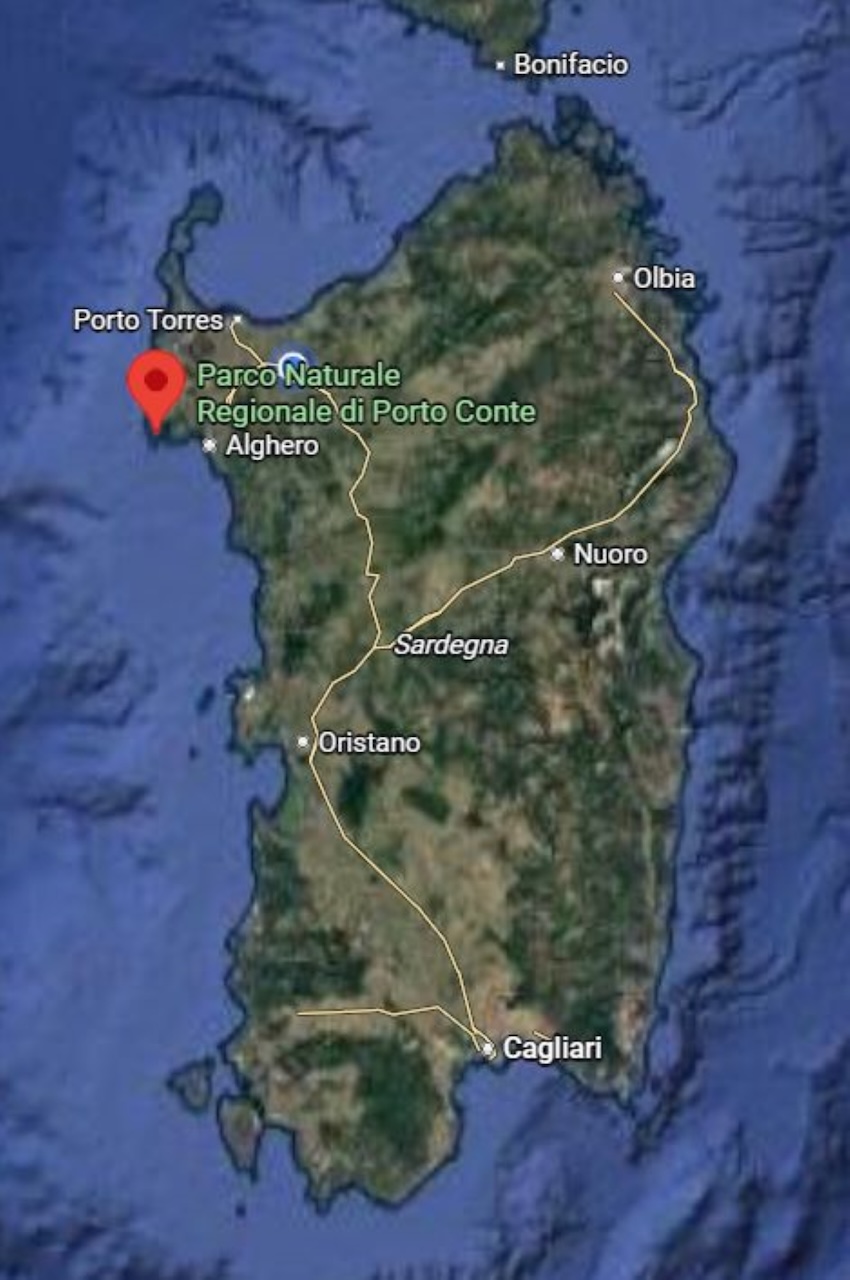
Research and activities on green-blue infrastructures in Sardinia related to biocultural islandscapes have been carried out between 2023 and 2024 at Giara Plateau and Porto Conte Park, respectively in the centre and north-west of the island (Fig. 1a and Fig. 1b). They aimed to improve the socio-ecological processes that underpin the ecosystem and cultural services provided by GI & BI, while considering islandscape characteristics and the needs of island communities. For this reason, active involvement of Sardinian citizens has been employed to grasp their knowledge, perception and understanding of local biocultural islandscapes, and vice versa, to transfer best practices from elsewhere. The methodological framework based on the participatory approach is explained below.
Green-blue infrastructures in Sardinia
Within this research setting, the first community activities on Green Infrastructures in Sardinia took place at the Giara Plateau and Genoni in October 2023, within the Convention “Green Infrastructures and Biocultural Networks” of the e.INS project and the Giara Plateau Foundation (see Fig. 1a).
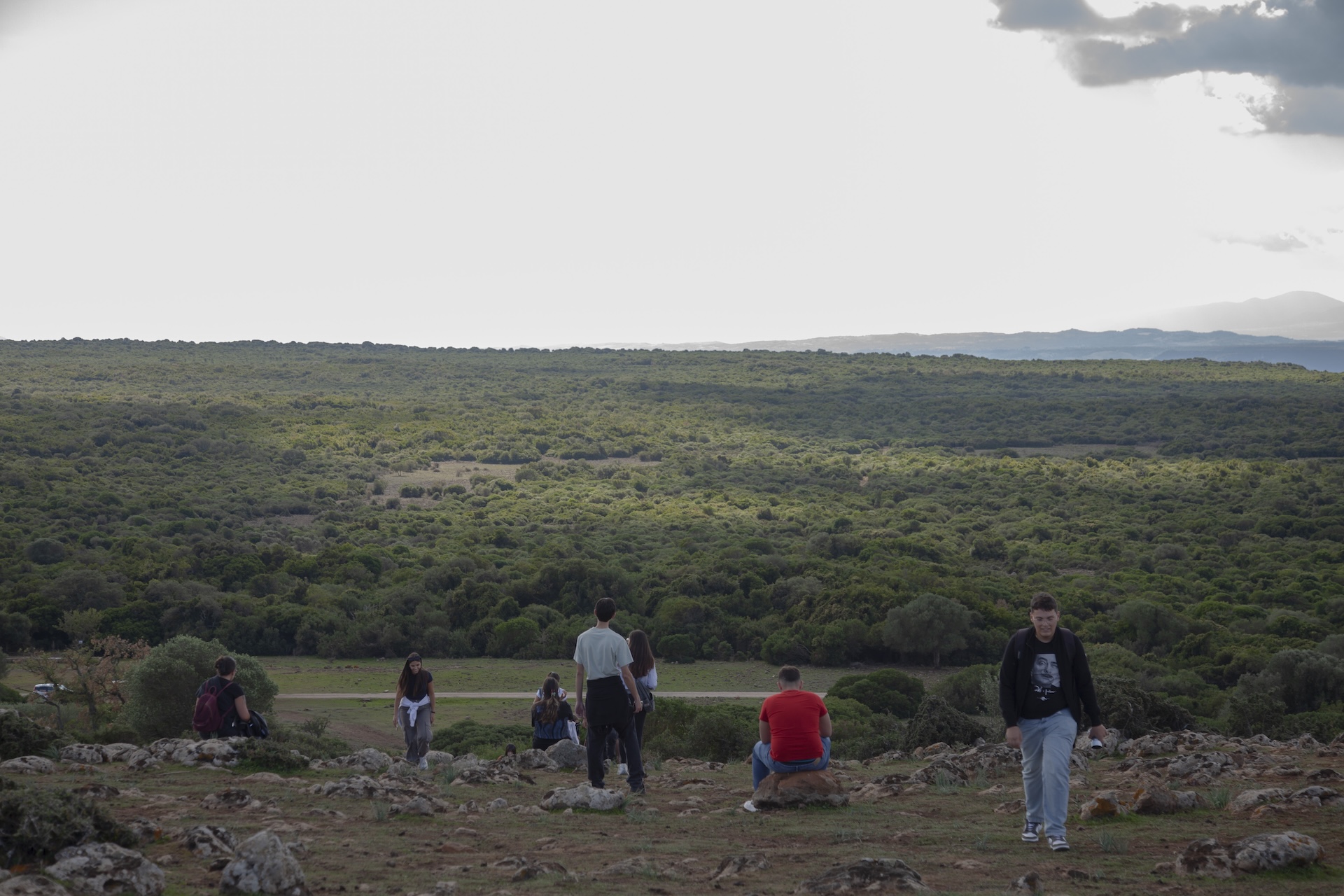
The Giara Plateau is a vast basalt area in the centre of Sardinia, made up of landscapes of great ecological and cultural value: seasonal ponds, cork oak woodlands, basalt cliffs, endemic flora and distinctive fauna (Fig. 2). The presence of archaeological structures, traditional pastoral systems and practices has created an emblematic islandscape produced by the interaction between nature and culture. The symbolic character of the plateau is the islandscape of the little Giara horse, known as “Cavallino della Giara”.
A second round of community activities, this time on Blue Infrastructures in Sardinia, was carried out in June 2024 at “Porto Conte Regional Natural Park”, and at “Capo Caccia and Isola Piana Marine Protected Area”, within the Convention “Biocultural Networks: Green-Blue Infrastructures” of the e.INS project and the Porto Conte Park (see Fig. 1b).
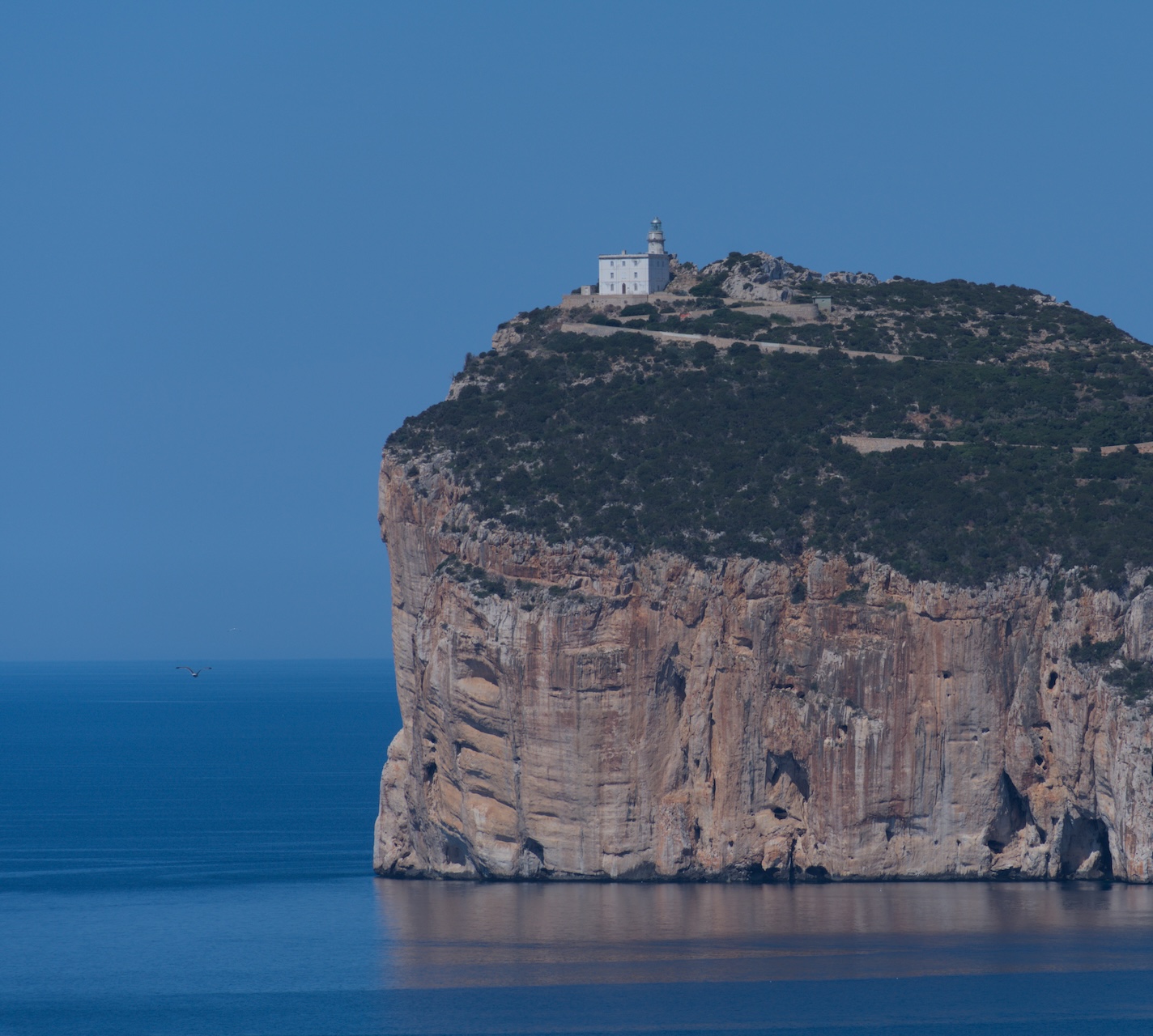
Inland from Alghero, North-West Sardinia, the Park boasts 60 kilometres of coastline with sandy beaches alternating with sheer cliffs, bays, sea caves and lagoons, surrounded by Punta Giglio, Punta Cristallo and Mount Doglia. Here, deer, horses and white donkeys roam among dense Mediterranean scrub consisting of strawberry trees, helichrysum and broom, as well as endemic species such as the dwarf palm. “Capo Caccia and Isola Piana Marine Protected Area” was established after the Park to protect the area's seascape. It is home to fossil-rich limestone and rare plants clinging to coastal cliffs (Fig. 3). The extremely rare griffon vulture nests on the most inaccessible cliffs, while peregrine falcons, buzzards, barn owls, and common ravens fly around Punta Giglio.
Methodology for study areas
The method used, based on citizen science, employs a participatory approach, which associates community mapping with placetelling. Taking into account ecosystem and cultural services, alongside green–blue infrastructures, it is useful to outline the ecological and cultural values of islandscapes. Moreover, a new framework for researching biocultural GI & BI has been set up to support environmental conservation, as well as sustainable economic and tourist development through local territorial products and services. The proposed methodology, lastly, is based on a biocultural stance, combined with active citizen participation, shared results and future perspectives. Although developed for the Sardinian target areas, it may have broader applicability, subject to appropriate caveats.
The common method employed in both study areas to explore GI and BI in biocultural islandscapes is based on four pillars:
- interdisciplinary and biocultural dimension;
- active participation;
- shared results;
- follow up.
First, at each conference of both conventions, in Genoni and Porto Conte respectively, international scholars have illustrated advanced studies on biocultural landscapes and seascapes in different islands, while local experts have highlighted the biocultural dimension of their islandscapes. Interactive lectures have been employed during the gathering, linking speakers with the audience.
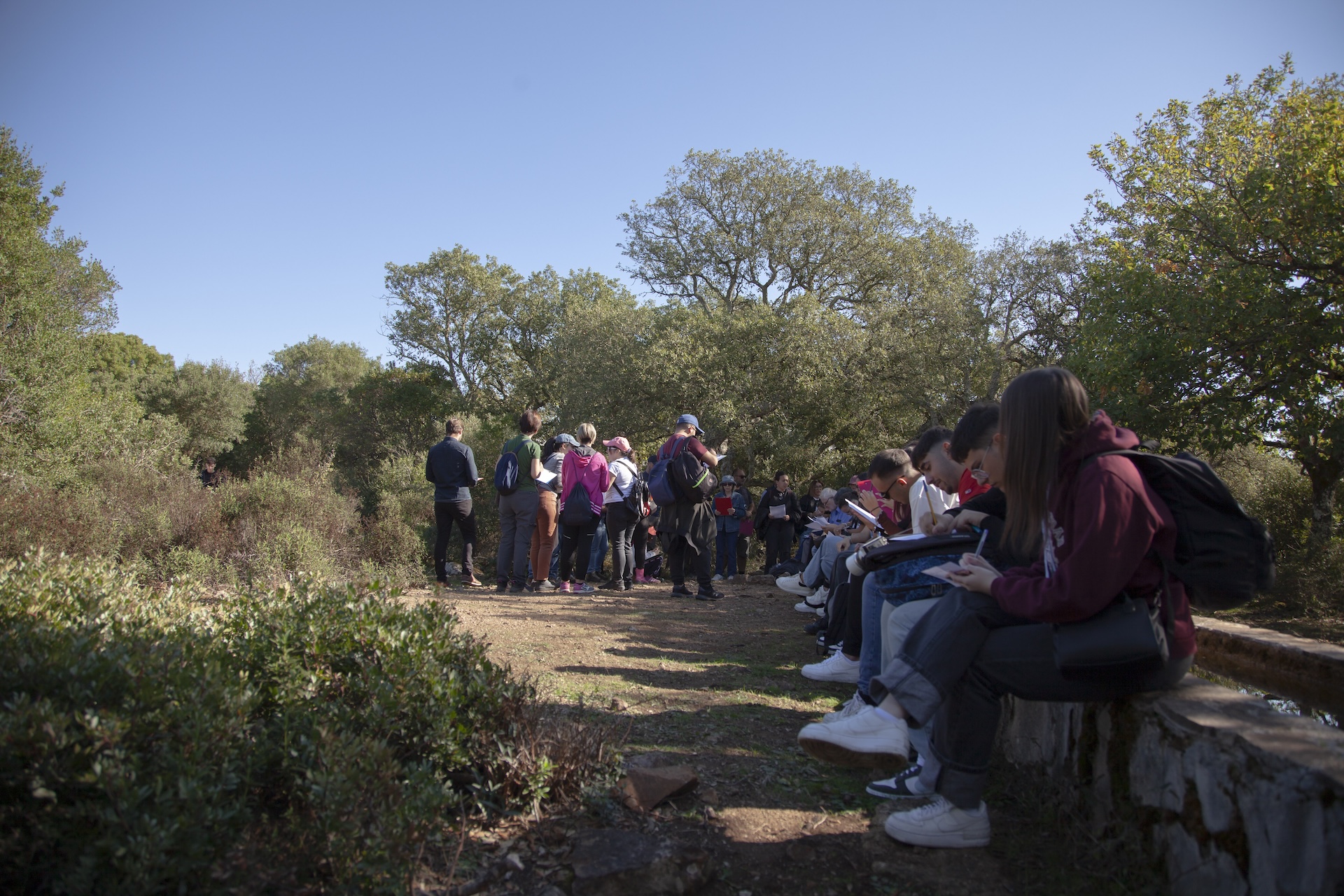
Second, collective fieldtrips have taken place open-air, with activities of data gathering and observation, to develop islandscape analysis and data interpretation, using field trip cards on paper boards, tablets or smartphones (Fig. 4). The participants have been guided by local experts for islandscape understanding, and by international experts for the latest scientific and technological instruments employed in the survey. Hence, the field trips became an experiential lab to develop islandscape awareness.
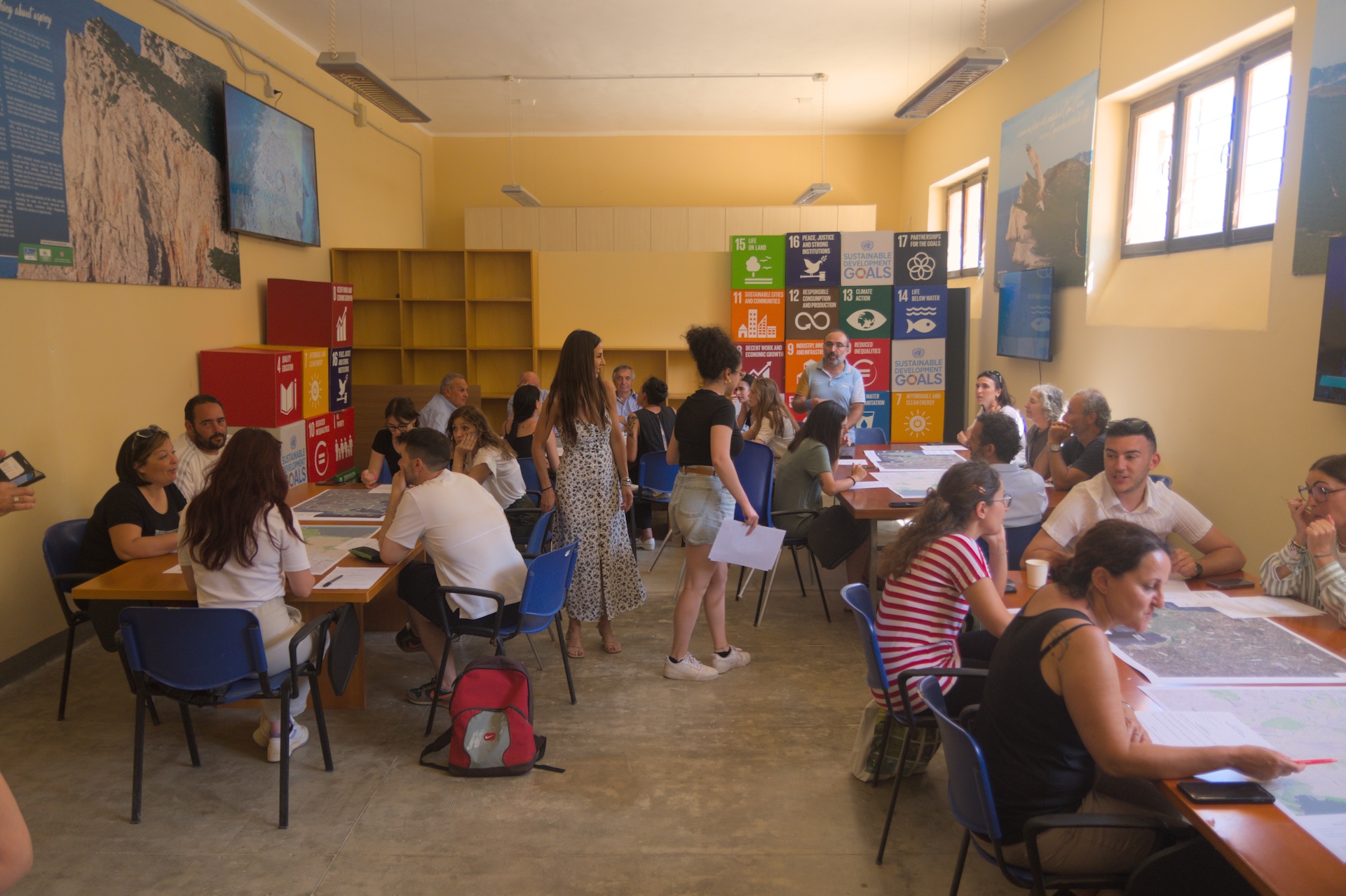
Third, the experience from the fieldtrips has stimulated deeper consideration of the community on their islandscapes and man-environment relations, developing a biocultural sense of their environment. This has been reflected in the last type of inside activities, where the community has worked with the experts in collective roundtables or personal interviews to describe their favourite islandscapes, employing storytelling, placetelling and collective mapping (Fig. 5). Interactive maps on the table, and boards on the wall with specific questions, served for relationship building and shared reflection on islandscape values.
Fourth, community involvement in loco ended with ideas to follow this up, indicating future desired steps to take for their biocultural islandscapes. As a matter of fact, this has been just a first stage of the islandscape biocultural process for the community, and accordingly the setting up of the method has been here outlined, but more must be done in the future. The collective mapping of Sardinian biocultural islandscapes, in fact, and their perception by the native people, will continue in other selected Sardinian agro-silvo-pastoral and marine areas of the island, to describe their dynamics through a multidisciplinary and diachronic approach based on open participatory mapping and research. Future collective work will allow further islandscape investigation, to assess the method described here, and to provide further data for a more detailed analysis that will be documented and discussed subsequently.
6. Analysis of community islandscape perception
Setting the analysis
The analysis on selected Sardinian islandscapes has been developed following three main steps:
- examining islandscape biotic and abiotic components;
- describing human components and mapping islandscape perception by local communities;
- employing a participatory approach in islandscape evaluation, able to support future islandscape development and policies.
A dataset of all islandscapes involved has been constructed after curation of data available from earlier projects and activities. Further data came from several workshops with local people and experts in the two selected islandscape areas, embracing the methodological principles described in section 5. A sentiment analysis has allowed researchers to examine the subjective information collected, i.e. opinions, attitudes and feelings expressed by the different participants in the workshops conducted across the two case studies. Finally, QGIS has been employed to import data and map layers for subsequent analyses, and additional maps have been obtained for different purposes.
Analysis results
The research showed that participants in the workshops linked the islandscapes they observed during fieldtrips to both tangible and intangible elements. They also indicated spontaneously natural and cultural values of their islandscapes, outlining their biocultural essence.
Islandscape socio-cultural values have been explored considering arts, humanities, social sciences and creative practice methods. These can surely help also to give voice to the local stakeholders and communities interested to practice islandscape activities. Therefore, innovative transdisciplinary bottom-up initiatives are needed to reveal these socio-cultural values in islandscape environments, necessary to support sustainable resilient island cultures.
Education and communication campaigns, moreover, have shown that the Sardinians involved are proud of their unique landscape and seascape, and this is important to support nature conservation. However, building a sense of ownership through information that is relevant to locals, had a more positive response from the community rather than conveying technical and complex information.
Islanders, furthermore, have proven to be custodians of their landscapes and should thus be involved in island conservation, as their attachment to their islandscape plays a key role in preserving natural and cultural heritage, especially in threatened environments and cultures such as Sardinia.
7. Research outcomes
Islandscapes are the characteristic landscape and seascape of an island. The studies above show that islands, globally, have exclusive natural islandscapes: insularity influences ecosystems, with high biodiversity and many endemic species. Islands likewise have distinctive cultural islandscapes: human imprint and heritage is here more diverse compared to mainland. As an integration of abiotic, biotic and human components, islandscapes in Europe and in the Mediterranean are rich in natural and cultural elements, embedding both tangible and intangible values, and showing a unique character in their landscape, seascape and people.
European islandscapes, precisely, show the action of nature that has shaped them, and of people that have used them, resulting in an abundance of tangible and intangible values. The ESLAND Project has advocated that such tangible and intangible processes, imprinted by man, nature and the genius loci, are testimony of the ecosystemic and anthropogenic legacy of which islandscapes are repository (Pungetti, 2017).
The islandscapes examined in Sardinia, in addition, are sources of pristine wildlife, endemic species and rich biodiversity, which here are often interlinked with enduring cultural heritage and traditional knowledge, thus forming an interesting biocultural environment. This has been proved by the activities carried out in cooperation with the local community in the selected study areas illustrated above, where people’s experiences and perceptions have been gained through direct engagement in those areas.
On the other hand, such engagement of local people with the environment has created a bond, which has helped them understand, respect and grasp the essence of their islandscapes. Working in the landscape has recalled memories and emotions that they were able to express and share, together with traditional practices and knowledge of which locals are proud. On top of this, they have created stronger connections with other community members while discussing the topic, showing indeed another relevant biocultural element of these collective actions.
8. Conclusions: sustainable approaches for resilient islandscapes
The research undertaken lays the groundwork for subsequent efforts. The next objective is to develop nature-based solutions that preserve ecosystem quality while generating economic, social, and cultural value for local communities, thereby supporting sustainable and resilient island cultures and their biocultural islandscapes. As demonstrated before (Gavin et al., 2015), biocultural approaches to conservation can be significant tools to reduce loss of biocultural diversity, and since this is facing numerous challenges, these tools are urgently required to address drivers of diversity loss and global homogenization.
The studies illustrated here have outlined new methods to examine present islandscapes for their future development, not forgetting the past. Advancing conservation and governance with a bottom-up approach, as alternatives to customary top-down ways of thinking and working, has built a greater sense of relevance across contributory fields through mutual respect and understanding. However, much is still to be addressed on the topic. For example, in sustainable islandscape design and planning, it is important to tackle in the future:
- emphases on biocultural directions in islandscape research;
- bottom-up approach to build resilient island cultures considering traditional knowledge;
- intimate inter-relationships between “the natural” and “the cultural” operated at many levels.
People living in island areas, moreover, maintain and pass on unique knowledge that has been used for centuries to adapt to changes and to limit the exploitation of their resources. This sense of resilience is embedded in the local TEK of these regions. TEK, as demonstrated in the local Sardinian projects carried out, clearly plays an important role in enhancing the resilience and sustainability of socially and ecologically vulnerable marine regions. TEK, more generally, has accumulated in the diverse ecological environments and living cultures of numerous islands around the world, as pointed out by both the European ESLAND and the global Seascapes projects, and consequently multidisciplinary and multifunctional convergence cooperation should be conducted in these areas.
International collaboration for sustainable islandscape preservation and revitalization is hence required, whilst the cooperation of residents could be extended to the surrounding islands for the sustainable management of regional seascapes (Pungetti, 2017). In any case, the nexus between local communities and governance should be wisely kept in the light of respect and “The Right to Landscape” (Egoz et al., 2011). Listening to the voices of island communities and stakeholders is even more relevant in revealing the complexity of islandscapes, with their provision of ecosystem and cultural services (Roe, 2022).
Concluding, the use and management of natural and cultural island resources as addressed in this work call for long-term strategies, where the biocultural islandscape approach can contribute to ecologically integrated and community involved sustainable development. In islandscape design, planning and management this requires collaboration between disciplines and actors, which can be done only with the necessary involvement of local communities and stakeholders jointly.
All this calls for a holistic approach, based on island biocultural diversity, which should be:
- transdisciplinary, with a wide spectrum of sectors that support island preservation and revitalization;
- diverse, with disciplines and tools that can tackle islandscape diversity:
- bioculturally informed, considering the interface between ecological and social systems provided by ecosystem and cultural services;
- collaborative, to involve all actors willing to sustain resilient island cultures.
TEK sustains both nature and human well-being, providing ecosystem and cultural services and shaping island biocultural diversity. The conservation and revitalization of biocultural islandscapes therefore require an understanding of such knowledge, which differs across islands, in order to support sustainable policies for resilient island cultures. Local knowledge and participatory approaches should thus be employed to build capacity to address environmental challenges, ensure long-term sustainability, and preserve island biocultural diversity.
Acknowledgements
This work was supported by the research grants Project e.INS — Ecosystem of Innovation for Next Generation Sardinia [cod. ECS 00000038] funded by the Italian Ministry for Research and Education [MUR] under the National Recovery and Resilience Plan [NRRP] — Mission 4 Component 2.
Endnotes
References
- Ankei, Y., Ankei, T., 2023. Cosmology of Yonaguni Island, Ryukyus: A collection of daily prayers and songs for biocultural diversity and island sustainability J. Mar. Isl. Cult. 12 (3): 76–95. https://jmic.online/issues/v12n3/6/
- Aru, A., Baldaccini, P., Vacca, A., 1991. Nota illustrativa alla carta dei suoli della Sardegna. Regione Autonoma della Sardegna: Cagliari.
- Aru, A., Brundu, G., Camarda, I., Kahnamoei, A., Madeddu, B., Roxo, M., Puddu, R., Satta, V., Vacca, A., 1994. Assessment and management criteria of desertification in selected Mediterranean areas. Working Paper No. 31, 3rd MEDALUS II Scientific Conference, Athens 19–24 May 1994.
- Baldacchino, G. (Ed.), 2018. Routledge international handbook of island studies: a world of islands. Routledge. London.
- Berkes, F., Colding, J., Folke, C., 2000. Rediscovery of Traditional Ecological Knowledge as Adaptive Management. Ecological Applications, 10 (5): 1251–1262. https://doi.org/10.2307/2641280
- Bell, S., 1999. Landscape: Pattern, Perception and Process. Spon-Routledege, London-NewYork.
- Blondel, J., 2006. The ‘design’ of Mediterranean landscapes: a millennial story of humans and ecological systems during the Historic Period. Hum. Ecol. 34: 713–729.
- Camarda, I., Cossu, A., (Eds.), 1988. Biotopi di Sardegna: Guida a dodici area di rilevante interesse botanico. Carlo Delfino Editore: Sassari.
- Cosgrove, D.E., 1998. Social Formation and Symbolic Landscape. Univ of Wisconsin Press, Wisconsin.
- Council of Europe, 2000. European landscape convention. ETS NO. 176. Council of Europe, Florence.
- Darwin, C., 1859. The Origin of Species by means of Natural Selection. John Murray, London.
- Davidson-Hunt, I.J., Turner, K.L., Mead, A.T.P., Cabrera-Lopez, J., Richard, Bolton, R., Idrobo, C.J., Miretski, I., Morrison, A., Robson, J.P., 2012. Biocultural Design: A New Conceptual Framework for Sustainable Development in Rural Indigenous and Local Communities, S.A.P.I.EN.S., 5 (2) 2012: 33–45.
- Di Fazio, C., Guadagno, E., Paradiso, M., 2025. ‘Islandness’ and Risk Perception: Climate Change and Marine Diversity Loss in the Campanian Archipelago. J. Mar. Isl. Cult. 14 (2): 58–88.
- Dudley, N., 2008. Guidelines for Applying Protected Area management Categories. IUCN, Gland.
- Egoz, S., Makhzoumi, J. Pungetti, G., (Eds.), 2011. The Right to Landscape: Contesting Landscape and Human Rights. Ashgate, Farnham.
- European Commission, 2013. Communication From The Commission to The European Parliament, The Council, The European Economic and Social Committee and The Committee of The Regions Green Infrastructure (GI)—Enhancing Europe’s Natural Capital. https://eur-lex.europa.eu/legal-content/EN/TXT/?uri=CELEX:52013DC0249
- Evans, J.D., 1973. Islands as laboratories of culture change. In: Renfrew, C. (Ed.), The Explanation of Culture Change: Models in Prehistory. University of Pittsburgh Press, Pittsburgh, USA, pp. 517–520.
- Evans, J.D., 1977. Island archaeology in the Mediterranean: problems and opportunities. World Archaeology 9, 12–26.
- Foley, A., Brinklow, L., Corbett, J., Kelman, I., Klöck, C., Moncada, S., Mycoo, M., Nunn, P., Pugh, J., Robinson, S., Tandrayen-Ragoobur, V., Walshe, R. 2023. Understanding “Islandness”. Annals of the American Association of Geographers 113 (8): 1800–1817.
- Gavin, M.C., McCarter, J., Mead, A., Berkes, F., Stepp, J.R., Peterson, D., Tang, R., 2015. Defining biocultural approaches to conservation. Trends in Ecology & Evolution 30 (3): 140–145. http://dx.doi.org/10.1016/j.tree.2014.12.005
- Griffiths, T., 2024. Significance of biocultural heritage, cultural landscape and islandness for responsible tourism: a Knoydart case study. Tourism Geographies 26, (3): 453–473.https://doi.org/10.1080/14616688.2024.2325943
- Grove, A.T., Rackham, O., 2001. The Nature of Mediterranean Europe: An Ecological History. Yale University Press, Yale.
- Hay-Edie, T., Howard, P., Martin, G., McCandlessc, S., 2011. The roles of local, national and international designations in conserving biocultural diversity on a landscape scale. International Journal of Heritage Studies. 17 (6): 527–536.
- Hong, S.K., Maffi, L., Oviedo, G., Matsuda, H., Kim, J.E., 2014. Development and Vision of Island Biocultural Diversity Initiative. in: Hong, SK., Bogaert, J., Min, Q. (Eds.), Biocultural Landscapes. Springer Dordrecht. https://doi.org/10.1007/978-94-017-8941-7_14
- Hong, S.K., 2023. Biocultural Diversity and Islandness: On human-geographical and typological approaches. J. Mar. Isl. Cult. 12 (3): 1–13. https://doi.org/10.21463/jmic.2023.12.3.01
- Hong, S.K., Wu, J., Kim, J.E., Nakagoshi, N. (Eds.), 2011. Landscape Ecology in Asian Cultures, Springer-Tokyo.
- Lai, S., Leone, F., Zoppi, C., 2018. Implementing Green Infrastructures beyond Protected Areas. Sustainability, 10, 3544. https://doi.org/10.3390/su10103544
- Maffi, L., 2001. On biocultural diversity: Linking language, knowledge, and the environment. Washington: Smithsonian Institution Press.
- Maffi, L., Woodley, E., 2010. Biocultural Diversity Conservation: A Global Sourcebook. Washington: Earthscan.
- Makhzoumi, J., Pungetti, G., 1999. Ecological landscape design and planning: The Mediterranean context. Spon-Routledge, London-New York.
- Marango, S., Bosworth, G., Curry, N., 2020. Applying neo-endogenous development theory to delivering sustainable local nature conservation. Sociologia Ruralis, 61 (1): 116–140. https://doi.org/10.1111/soru.12315
- MacArthur, R.H., Wilson, E.O., 1967. The Theory of Island Biogeography. Princeton University Press, Princeton, N.J..
- Mitchell, N., Rössler M., Tricaud P.M., 2009. Cultural landscapes: A handbook for conservation and management. World Heritage Series No. 26. Paris: UNESCO World Heritage Center. Available from: http://whc.unesco.org/en/news/588
- Muir, R., 1999. Symbolic Landscapes. In: Approaches to Landscape. Palgrave, London. https://doi.org/10.1007/978-1-349-27243-3_7
- Nazari, V., Pungetti, G., Hong, SK., Belardinelli, S, Destro Bisol, G., Pievani, T, 2024. Island biocultural diversity in the Mediterranean: the case study of Sardinia. Reg Environ Change 24 (143): 1–11. https://doi.org/10.1007/s10113-024-02308-2
- Patton, M., 1996. Islands in Time. Routledge, London.
- Plieninger, T., Abunnasr, Y., D'Ambrosio, U., Guo, T., Palomo, I., Ruiz-Frau, A., Yañez-Valle, F., 2023. Biocultural conservation systems in the Mediterranean region: the role of values, rules, and knowledge. Sustainability Science 18: 823–828. https://doi.org/10.1007/s11625-022-01155-6
- Pungetti, G. (Ed.), 2022. Routledge Handbook of Seascapes. Routledge, London-New York.
- Pungetti, G. (Ed.), 2017. Island Landscapes: An expression of European culture. Routledge, London-New York.
- Pungetti, G., Oviedo, G. and Hooke, D. (Eds.), 2012. Sacred Species and Sites: Advances in Biocultural Conservation. Cambridge University Press, Cambridge.
- Pungetti, G., 1999. From landscape research to ecological landscape planning. In: J. Makhzoumi, G. Pungetti, Ecological landscape design and planning: The Mediterranean context. Spon-Routledege, London-NewYork: 31–158.
- Pungetti, G., 1996. Landscape in Sardinia: History, features, policies. CUEC, Cagliari.
- Rackham, O., 1986. The history of the countryside: The classic history of Britain’s landscape, flora and fauna. London, J. M. Dent & Sons.
- Roe, M., 2022. Community voices and the capture of seascape values. In G. Pungetti, (Ed.), Routledge Handbook of Seascapes. Routledge, London-New York: 492–506.
- Rössler, M., 2006. World Heritage Cultural Landscapes: A UNESCO flagship programme 1992–2006. Landscape Res. 31(4): 333–353.
- Santi F, Testolin R, Zannini P, Di Musciano M, Micci V et al., 2024. MEDIS—a comprehensive spatial database on Mediterranean islands for biogeographical and evolutionary research. Global Ecol Biogeogr 33:e13855.
- Tsai, H-M., 2003. Island Biocultural Assemblages — The Case of Kinmen Island. Geogr. Ann. 85 B (4): 209–218.
- Takahashi, S., Tayama, M., Tanaka, T., 2023. Incorporating Biocultural Values in Biodiversity Conservation Policies: A Case Study of the Regional Strategy for Biodiversity in Okinawa. J. Mar. Isl. Cult. 12 (3): 14–26. https://jmic.online/issues/v12n3/2/
- UNESCO, 2011. What is intangible cultural heritage? Infokit UNESCO Intangible Cultural Heritage. UNESCO, Paris.
- Vogiatzakis, I.N., Pungetti G., Mannion A. M. (Eds.), 2008. Mediterranean Island Landscapes: Natural and Cultural Approaches. Springer, Dordrecht.
- Wahyuni, D., Suwondo, T., Satiyoko, Y.A., Zamzuri, A., Saptawuryandar, N., Taum, Y.Y., 2025. 'The Sea as A Representation of Ecological Knowledge: Case Study of ‘Suti Solo do Bina Bane’ Tale on Rote Island, Indonesia', J. Mar. Isl. Cult. 14(2), pp. 167–188. https://doi.org/10.21463/jmic.2025.14.2.10